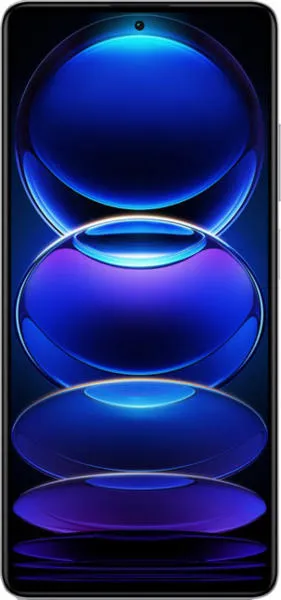
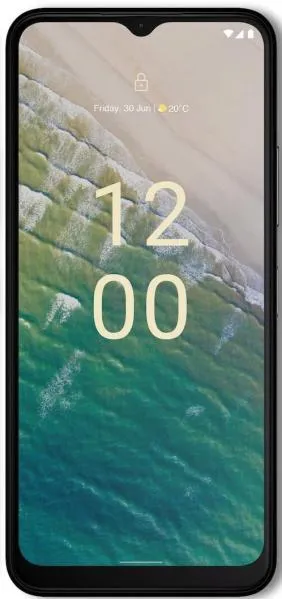
Xiaomi Redmi Note 12 Pro+ vs. Nokia C22: A Deep Dive
Let's dissect the Xiaomi Redmi Note 12 Pro+ and the Nokia C22, two phones targeting different segments of the market. We'll go beyond the spec sheet to understand what these devices offer in real-world usage.
1. Specifications Breakdown
| Feature | Xiaomi Redmi Note 12 Pro+ | Nokia C22 | Real-World Implications |
|---|---|---|---|
| Design | |||
| Dimensions (mm) | 162.9 x 76 x 8.9 | 164.6 x 75.9 x 8.6 | Redmi is slightly more compact. |
| Weight (g) | 208.4 | 190 | Nokia is noticeably lighter, enhancing one-handed use. |
| Build Material | Glass front/back | Plastic | Redmi offers a more premium feel, Nokia prioritizes durability and cost-effectiveness. |
| Display | |||
| Type | OLED | IPS LCD | Redmi's OLED delivers richer blacks, vibrant colors, and better power efficiency. Nokia's IPS is reliable but less impressive. |
| Size | 6.67" | 6.5" | Negligible size difference. |
| Resolution | 1080 x 2400 | 720 x 1600 | Redmi boasts significantly sharper visuals. Nokia's display is adequate for basic tasks but lacks crispness. |
| Refresh Rate | 120Hz | - | Redmi's 120Hz provides smoother scrolling and animations, enhancing responsiveness. Nokia's refresh rate is standard (likely 60Hz). |
| Performance | |||
| Chipset | Dimensity 1080 (6nm) | Unisoc SC9863A (28nm) | Redmi's processor is vastly more powerful, enabling seamless multitasking and demanding gaming. Nokia handles basic tasks. |
| CPU | Octa-core (2x2.6 GHz A78 & 6x2.0 GHz A55) | Octa-core (4x1.6 GHz A55 & 4x1.2 GHz A55) | Redmi's CPU architecture provides superior performance and efficiency. Nokia's CPU is designed for basic functionality. |
| RAM | 8GB | 2GB | Redmi's 8GB RAM allows for smooth multitasking and app switching. Nokia's 2GB RAM can lead to limitations with multiple apps. |
| Camera | |||
| Main Camera | 200MP | 13MP | Redmi offers significantly higher resolution and advanced features, capturing detailed photos and videos. |
| Features | OIS, 4K@30fps | LED flash | Redmi's camera system is far more versatile and capable. |
| Battery Life | |||
| Capacity | 5000 mAh | 5000 mAh | Similar battery capacities, but Redmi's efficient OLED display and processor likely result in longer real-world usage. |
2. Key Insights
The Redmi Note 12 Pro+ is a clear winner in terms of performance, display, and camera. It offers a flagship-level experience at a mid-range price. The Nokia C22, on the other hand, is a budget device focused on essential functionality and durability.
Redmi Advantages:
- Superior Performance: The Dimensity 1080 and ample RAM deliver a smooth and responsive experience.
- Stunning Display: The OLED screen with a 120Hz refresh rate offers vibrant visuals and fluid animations.
- Versatile Camera: The 200MP main camera captures detailed photos and videos.
Nokia Advantages:
- Lightweight Design: Easier to handle and carry for extended periods.
- Affordability: Significantly cheaper, making it accessible to budget-conscious consumers.
- Durability: Nokia phones are known for their rugged build quality.
3. User Profiles and Recommendations
Redmi Note 12 Pro+: Ideal for users who prioritize performance, a high-quality display, and a capable camera. Suitable for gamers, photographers, and content consumers.
Nokia C22: Best suited for users who need a basic, reliable phone for calling, texting, and light web browsing. A good option for seniors or as a secondary device.
4. Buying Decision Framework
- What is your budget? The Nokia C22 is significantly cheaper.
- What are your primary use cases? For demanding tasks, the Redmi is a must. For basic communication, the Nokia suffices.
- Do you value performance and multimedia or simplicity and affordability? This will guide your choice.
My Choice: Xiaomi Redmi Note 12 Pro+
If I were choosing between these two, I'd go for the Redmi Note 12 Pro+. While the Nokia C22 offers excellent value for its price, I personally prioritize a smooth and responsive user experience, a high-quality display, and a capable camera. The Redmi Note 12 Pro+ excels in all these areas. The performance difference alone is significant enough to make it my preferred choice, as I frequently multitask and use demanding applications. The superior display is a bonus for enjoying media and the camera allows for capturing high-quality photos and videos. While I appreciate the Nokia C22's affordability and durability, the compromises in performance and features are too significant for my needs.
