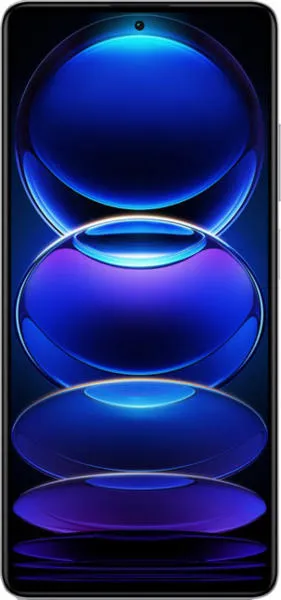
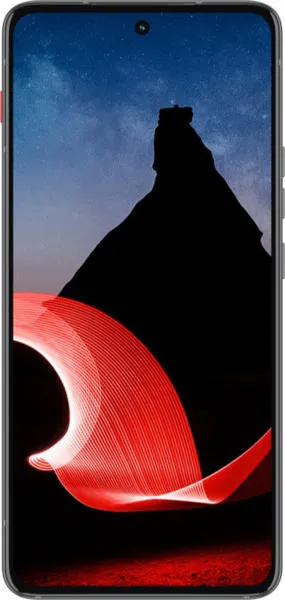
Xiaomi Redmi Note 12 Pro+ vs. Motorola ThinkPhone: A Deep Dive
Hello, fellow tech enthusiasts! Alex Griffin here, ready to dissect the Xiaomi Redmi Note 12 Pro+ and the Motorola ThinkPhone. We'll go beyond the spec sheets to uncover what these devices offer in the real world. Let's dive in!
1. Specifications Breakdown
| Feature | Xiaomi Redmi Note 12 Pro+ | Motorola ThinkPhone | Real-World Implications |
|---|---|---|---|
| Design | |||
| Dimensions (mm) | 162.9 x 76 x 8.9 | 158.8 x 74.4 x 8.3 | ThinkPhone is slightly more compact and pocketable. |
| Weight (g) | 208.4 | 188.5 | ThinkPhone is noticeably lighter, reducing hand fatigue. |
| Build | Glass front/back | Aramid Fiber back | ThinkPhone boasts superior durability and a more premium feel with its aramid fiber back. |
| Display | |||
| Type | OLED | pOLED | Both offer vibrant colors and deep blacks. pOLED might be slightly more power efficient. |
| Size | 6.67" | 6.6" | Negligible size difference in practical use. |
| Refresh Rate | 120Hz | 144Hz | ThinkPhone's higher refresh rate results in smoother animations and scrolling, especially in gaming. |
| Peak Brightness | 900 nits | 1200 nits | ThinkPhone offers significantly better outdoor visibility. |
| Performance | |||
| Chipset | Dimensity 1080 (6nm) | Snapdragon 8+ Gen 1 (4nm) | ThinkPhone's processor is significantly more powerful, leading to much faster performance in demanding tasks and games. |
| CPU | Octa-core (2.6 GHz A78) | Octa-core (3.19 GHz X2) | ThinkPhone's CPU offers a substantial performance advantage. |
| GPU | Mali-G68 MC4 | Adreno 730 | ThinkPhone's GPU provides a considerable boost in graphics performance, ideal for gaming. |
| RAM | 8GB | 8GB | Both offer ample RAM for multitasking, though more RAM options are available for the Redmi Note 12 Pro+. |
| Camera | |||
| Main Camera | 200MP | 50MP | Redmi Note 12 Pro+ boasts higher resolution, ThinkPhone focuses on sensor quality and processing. |
| Video | 4K@30fps | 8K@30fps | ThinkPhone offers higher resolution video recording capabilities. |
| Battery Life | |||
| Capacity | 5000mAh | 5000mAh | Similar battery capacities suggest comparable battery life, though real-world usage will vary. |
| Charging | 120W Fast Charging | 68W Fast Charging | Redmi Note 12 Pro+ offers significantly faster charging speeds. |
2. Key Insights
- Performance: The ThinkPhone, with its Snapdragon 8+ Gen 1, is a clear winner in performance. Expect significantly faster app loading, smoother multitasking, and superior gaming capabilities.
- Display: Both phones offer excellent displays, but the ThinkPhone's 144Hz refresh rate and higher peak brightness give it an edge for smoother visuals and outdoor readability.
- Camera: The Redmi Note 12 Pro+'s 200MP main camera might seem impressive on paper, but megapixels don't tell the whole story. Real-world image quality will depend on factors like sensor size, processing, and software optimization. The ThinkPhone opts for a lower resolution but potentially higher quality sensor. This requires further investigation with real-world camera comparisons.
- Durability: The ThinkPhone's aramid fiber back provides added durability, making it more resistant to scratches and drops.
- Charging: The Redmi Note 12 Pro+ boasts incredibly fast 120W charging, getting you back to full power in minutes.
3. User Profiles and Recommendations
- Redmi Note 12 Pro+: Best suited for budget-conscious users who prioritize fast charging and a high-resolution camera sensor. Excellent for social media enthusiasts and casual gamers.
- ThinkPhone: Ideal for power users and professionals who demand top-tier performance, a smooth display, and enhanced durability. A great choice for demanding tasks, mobile gaming, and business use.
4. Buying Decision Framework
- What is your budget? The Redmi Note 12 Pro+ is generally more affordable.
- What are your performance needs? For demanding tasks and gaming, the ThinkPhone is the clear winner.
- What features are most important to you? Prioritize fast charging? Choose the Redmi Note 12 Pro+. Need a durable phone with a smooth display? The ThinkPhone is your go-to.
My Choice: Motorola ThinkPhone
While the Redmi Note 12 Pro+ offers impressive specs for its price, I would choose the Motorola ThinkPhone. Its superior performance powered by the Snapdragon 8+ Gen 1, combined with the smoother 144Hz display and the durable build, aligns perfectly with my needs as a power user who relies on a phone for demanding tasks, occasional gaming, and long-term reliability. The faster refresh rate and brighter display create a noticeably more premium user experience. While I appreciate the incredibly fast charging of the Redmi, the overall performance and longevity offered by the ThinkPhone win out for me.
