
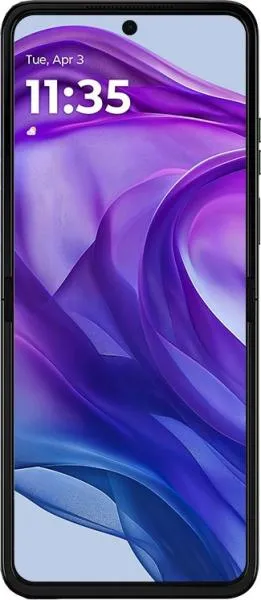
Let's dive into a comparative analysis of the Xiaomi Redmi Note 12 Pro+ and the Motorola Razr 50 Ultra, dissecting their specifications and translating them into real-world experiences.
1. Specifications Breakdown
| Feature | Xiaomi Redmi Note 12 Pro+ | Motorola Razr 50 Ultra | Real-World Implications |
|---|---|---|---|
| Design | |||
| Dimensions (mm) | 162.9 x 76 x 8.9 | 171.4 x 74 x 7.1 | Razr 50 Ultra is significantly more compact when folded, enhancing portability. However, it's taller and slightly wider when unfolded. |
| Weight (g) | 208.4 | 189 | Razr 50 Ultra is noticeably lighter, crucial for a foldable phone carried in pockets. |
| Foldable | No | Yes | Razr 50 Ultra's foldable design offers a unique form factor and pocketability but introduces potential durability concerns and a price premium. |
| Display | |||
| Size (inches) | 6.67 | 6.9 | Razr 50 Ultra offers a slightly larger main screen for immersive content consumption. |
| Resolution (px) | 1080 x 2400 | 1080 x 2640 | Razr 50 Ultra boasts a slightly higher resolution, but the difference in sharpness will be minimal at these screen sizes. |
| Refresh Rate (Hz) | 120 | 165 | Razr 50 Ultra's higher refresh rate will deliver smoother animations and scrolling, especially noticeable in gaming and fast-paced UI interactions. |
| Display Type | OLED | Foldable LTPO AMOLED | Razr's foldable pOLED introduces a crease and potential durability concerns but enables the compact form factor. |
| Peak Brightness | 900 nits | 3000 nits | Razr 50 Ultra's significantly higher peak brightness ensures exceptional outdoor visibility. |
| Performance | |||
| Chipset | Mediatek Dimensity 1080 | Snapdragon 8s Gen 3 | Razr 50 Ultra features a significantly more powerful chipset, translating to smoother multitasking, faster app loading, and better gaming. |
| CPU | Octa-core (2.6 GHz A78) | Octa-core (3.0 GHz X4) | Razr 50 Ultra's newer and faster CPU architecture provides a substantial performance advantage. |
| RAM (GB) | 8/12 | 12 | Both offer ample RAM for multitasking, but the Razr's 12GB ensures smoother performance with demanding applications. |
| Camera | |||
| Main Camera (MP) | 200 | 50 | Redmi Note 12 Pro+ boasts a higher megapixel count, but Razr utilizes a larger sensor, potentially resulting in better low-light performance. |
| Battery Life | |||
| Capacity (mAh) | 5000 | 4000 | Redmi Note 12 Pro+ packs a larger battery, likely leading to longer battery life. |
2. Key Insights
The Redmi Note 12 Pro+ prioritizes affordability and long battery life. Its 200MP camera and fast charging are standout features. However, its performance lags behind the Razr 50 Ultra.
The Razr 50 Ultra is a premium foldable phone offering top-tier performance, a vibrant display, and the unique convenience of its form factor. However, it comes with a higher price tag and potential durability concerns associated with foldable screens. The smaller battery capacity might also be a concern for power users.
3. User Profiles and Recommendations
Redmi Note 12 Pro+: Ideal for budget-conscious users, photography enthusiasts seeking high megapixel counts, and those prioritizing battery life.
Razr 50 Ultra: Best suited for users who value cutting-edge technology, a compact form factor, top-tier performance, and are willing to pay a premium for a foldable device.
4. Buying Decision Framework
- Is a foldable design a must-have? If yes, the Razr is the only option. If not, the Redmi Note 12 Pro+ offers excellent value.
- What's your budget? The Redmi Note 12 Pro+ offers compelling features at a lower price point.
- What are your priorities? Prioritize battery life and a high-resolution camera? Choose Redmi. Prioritize performance and a unique form factor? Choose Razr.
My Choice
If I were choosing between these two, I'd opt for the Motorola Razr 50 Ultra. While the Redmi Note 12 Pro+ offers great value, I find the innovative foldable form factor and the significant performance jump of the Razr 50 Ultra too compelling. The superior chipset, smoother display, and compact design align better with my preference for cutting-edge technology and portability. I'm willing to accept the trade-offs of a smaller battery and a higher price for the unique experience the Razr 50 Ultra provides. While the potential durability concerns of foldable phones are valid, the advancements in this technology make it a risk I'm personally willing to take.
