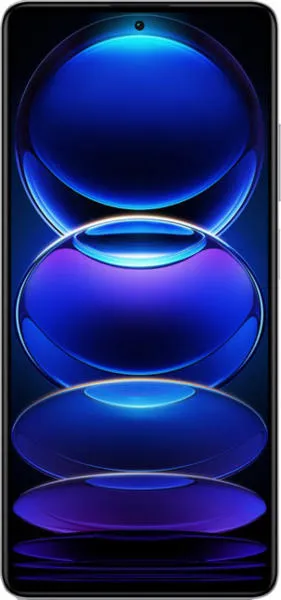
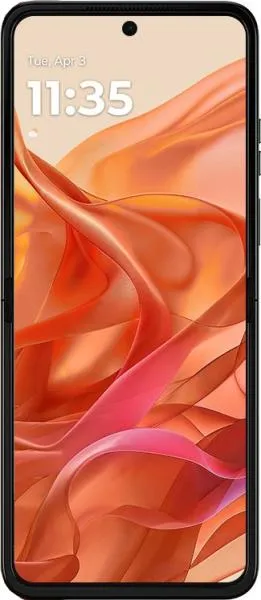
Xiaomi Redmi Note 12 Pro+ vs. Motorola Razr 50: A Detailed Comparison
Let's dive into a head-to-head comparison of the Xiaomi Redmi Note 12 Pro+ and the Motorola Razr 50, dissecting their specifications and uncovering what they truly offer in real-world usage.
1. Specifications Breakdown
| Feature | Xiaomi Redmi Note 12 Pro+ | Motorola Razr 50 | Real-World Implications |
|---|---|---|---|
| Design | |||
| Dimensions (mm) | 162.9 x 76 x 8.9 | 171.3 x 74 x 7.3 | Razr 50 is taller and significantly thinner due to its foldable design, but wider when unfolded. |
| Weight (g) | 208.4 | 188.4 | Razr 50 is noticeably lighter, enhancing portability. |
| Foldable | No | Yes | Razr 50 offers compact portability when folded. |
| Display | |||
| Size (inches) | 6.67 | 6.9 | Razr 50 boasts a slightly larger screen. |
| Type | OLED | pOLED | Both offer vibrant colors and deep blacks, though pOLED might be slightly more power-efficient. |
| Refresh Rate (Hz) | 120 | 120 | Both deliver smooth scrolling and animations. |
| Resolution (px) | 1080 x 2400 | 1080 x 2640 | Razr 50's taller aspect ratio provides more vertical screen real estate. |
| Peak Brightness | 900 nits | 3000 nits | Razr 50's significantly higher brightness ensures excellent outdoor visibility. |
| Performance | |||
| Chipset | Mediatek Dimensity 1080 | Mediatek Dimensity 7300X | Razr 50's newer 7300X, built on a 4nm process promises better performance and power efficiency. |
| CPU | Octa-core (2x2.6 GHz A78 & 6x2.0 GHz A55) | Octa-core (4x2.5 GHz A78 & 4x2.0 GHz A55) | While both are octa-core, the 7300X's architecture and clock speeds suggest a performance advantage. |
| GPU | Mali-G68 MC4 | Mali-G615 MC2 | G68 MC4 generally offers better gaming performance than the G615. |
| RAM | 8GB | 8/12GB | Razr 50 offers a 12GB RAM option for enhanced multitasking. |
| Camera | |||
| Main Camera (MP) | 200 | 50 | Redmi Note 12 Pro+ boasts significantly higher resolution, but real-world image quality depends on sensor and processing. |
| Selfie Camera(MP) | 16 | 32 | Razr 50 has a higher resolution front-facing camera. |
| Battery Life | |||
| Capacity (mAh) | 5000 | 4200 | Redmi Note 12 Pro+ has a larger battery, potentially leading to longer usage time. |
2. Key Insights
- Performance: The Razr 50, with its newer and more efficient Dimensity 7300X chipset, likely edges out the Redmi Note 12 Pro+ in processing power and battery efficiency, despite the G68 generally offering better gaming performance.
- Display: The Razr 50's foldable pOLED display with its exceptional brightness steals the show. However, the Redmi Note 12 Pro+'s OLED is no slouch, offering vibrant visuals and a smooth 120Hz refresh rate.
- Camera: The Redmi Note 12 Pro+ boasts a massive 200MP main sensor. Megapixels alone don't guarantee superior image quality, but it suggests a focus on detailed shots. The Razr 50 takes a different approach with a 50MP main sensor, likely prioritizing overall image quality and low-light performance.
- Form Factor: The Razr 50's foldable design is its defining feature, offering unparalleled portability. This comes at the cost of a smaller battery and potentially higher price. The Redmi Note 12 Pro+ represents a more traditional slab phone design, prioritizing battery capacity and affordability.
3. User Profiles and Recommendations
- Redmi Note 12 Pro+: Ideal for users seeking a powerful, affordable smartphone with a strong emphasis on camera capabilities and long battery life. Excellent for multimedia consumption, mobile gaming, and capturing detailed photos.
- Razr 50: Perfect for style-conscious users who prioritize portability and cutting-edge technology. The foldable design is a conversation starter and a significant convenience for those constantly on the move.
4. Buying Decision Framework
- Is portability your top priority? If yes, the Razr 50's foldable design is hard to beat.
- What's your budget? The Redmi Note 12 Pro+ offers excellent value for its price, while the Razr 50 commands a premium for its innovative design.
- What are your primary use cases? For heavy gaming, multimedia, and all-day battery life, the Redmi Note 12 Pro+ might be the better choice. For style, portability, and a cutting-edge device, the Razr 50 is compelling.
My Choice: The Motorola Razr 50
While the Redmi Note 12 Pro+ offers incredible value, I'd choose the Motorola Razr 50. The innovative foldable design genuinely excites me. The compact form factor when folded is a game-changer for portability. I'm willing to sacrifice a bit of battery life for the sheer convenience and coolness factor. Additionally, the newer processor in the Razr 50 promises smoother performance and better efficiency in the long run. The brighter screen is also a major plus for outdoor usage. While the 200MP camera of the Redmi is tempting, I prioritize overall image quality and the versatility offered by a well-rounded camera system, which I believe the Razr 50 delivers.
