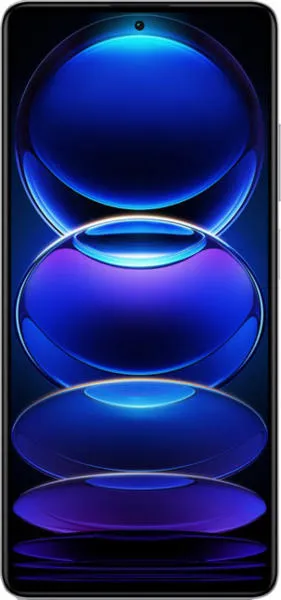
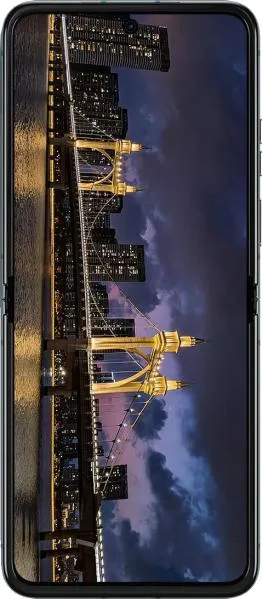
Xiaomi Redmi Note 12 Pro+ vs. Motorola Razr 40 Ultra: A Deep Dive
The smartphone landscape is brimming with options, and choosing the right device can feel overwhelming. Today, we'll dissect two intriguing contenders: the Xiaomi Redmi Note 12 Pro+ and the Motorola Razr 40 Ultra. By blending technical expertise with real-world insights, we'll empower you to make the best decision for your needs.
1. Specifications Breakdown
| Feature | Xiaomi Redmi Note 12 Pro+ | Motorola Razr 40 Ultra | Real-World Implications |
|---|---|---|---|
| Design | |||
| Dimensions (mm) | 162.9 x 76 x 8.9 | 170.8 x 74 x 7 | Razr 40 Ultra is significantly more compact when folded, enhancing portability. |
| Weight (g) | 208.4 | 184.5 | Razr 40 Ultra is noticeably lighter, making it more comfortable for extended use. |
| Foldable | No | Yes | Razr 40 Ultra offers a unique form factor, transforming from a compact device to a full-screen phone. |
| Display | |||
| Size (inches) | 6.67 | 6.9 | Razr 40 Ultra provides a slightly larger main screen for immersive content consumption. |
| Type | OLED | Foldable pOLED | Razr 40 Ultra's folding display introduces a crease but enables a pocket-friendly design. |
| Refresh Rate (Hz) | 120 | 165 | Razr 40 Ultra offers smoother scrolling and animations, especially noticeable in gaming. |
| Peak Brightness | 900 nits | 1400 nits | Razr 40 Ultra's screen is significantly brighter, enhancing outdoor visibility. |
| Performance | |||
| Chipset | Dimensity 1080 (6nm) | Snapdragon 8+ Gen 1 (4nm) | Razr 40 Ultra boasts a significantly more powerful processor, resulting in superior performance. |
| CPU | Octa-core | Octa-core | Razr 40 Ultra's CPU architecture offers better performance and efficiency. |
| GPU | Mali-G68 MC4 | Adreno 730 | Razr 40 Ultra provides a substantial leap in graphics performance for demanding games and apps. |
| RAM (GB) | 8/12 | 8/12 | Both offer ample RAM for multitasking, though specific configurations may vary. |
| Camera | |||
| Main Camera (MP) | 200 | 12 | Redmi Note 12 Pro+ boasts significantly higher megapixel count, potentially capturing more detail. |
| Battery Life | |||
| Capacity (mAh) | 5000 | 3800 | Redmi Note 12 Pro+ offers a larger battery capacity, potentially leading to longer usage time. |
2. Key Insights
The Redmi Note 12 Pro+ shines with its impressive 200MP camera and larger battery. In everyday use, this translates to detailed photos and extended usage without frequent charging. However, its processor, while capable, falls short of the Razr 40 Ultra in raw power.
The Razr 40 Ultra, on the other hand, is a performance powerhouse with a cutting-edge foldable design. Its Snapdragon 8+ Gen 1 chip ensures blazing-fast speeds and smooth multitasking. The vibrant, high refresh rate display provides an exceptional visual experience. The trade-offs? A smaller battery and a lower resolution main camera compared to the Redmi.
3. User Profiles and Recommendations
Redmi Note 12 Pro+: Ideal for users prioritizing battery life, camera capabilities, and affordability. Photography enthusiasts and those seeking all-day usage will find it a compelling option.
Razr 40 Ultra: Perfect for users who value cutting-edge technology, a unique form factor, and top-tier performance. Early adopters, content creators, and those seeking a compact yet powerful device will appreciate its innovative design and capabilities.
4. Buying Decision Framework
- Is a foldable design a must-have? If yes, the Razr 40 Ultra is the clear choice.
- What's your budget? The Redmi Note 12 Pro+ generally offers better value in terms of sheer specifications for the price.
- What are your primary use cases? Heavy gaming and multitasking favor the Razr 40 Ultra, while photography and extended battery life point towards the Redmi Note 12 Pro+.
My Choice: Motorola Razr 40 Ultra
While the Redmi Note 12 Pro+ offers a compelling package, I would choose the Motorola Razr 40 Ultra. The foldable form factor is a game-changer for me, offering unparalleled portability without sacrificing screen real estate. The superior performance of the Snapdragon 8+ Gen 1 ensures a future-proof experience, capable of handling demanding tasks and applications with ease. I'm willing to compromise slightly on battery life for the significant gains in portability and processing power. The Razr 40 Ultra represents a bold step forward in mobile technology, and I'm excited to experience its unique capabilities firsthand. Furthermore, as a tech journalist, having access to the latest innovations is crucial for staying at the forefront of the industry.
