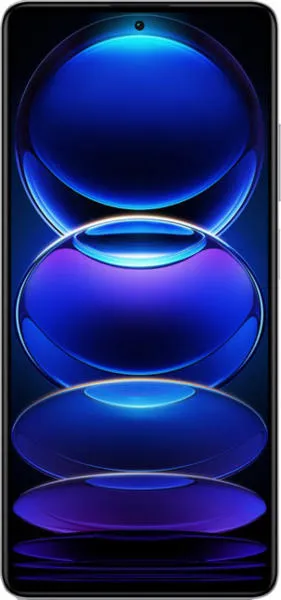
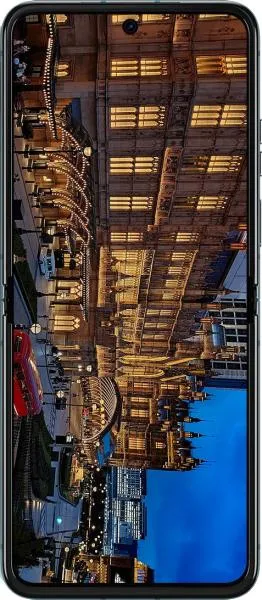
Xiaomi Redmi Note 12 Pro+ vs. Motorola Razr 40: A Deep Dive
Let's dissect the Xiaomi Redmi Note 12 Pro+ and the Motorola Razr 40, two compelling devices with distinct personalities. My goal? To equip you with the knowledge to decide which phone best fits your needs.
1. Specifications Breakdown
| Feature | Xiaomi Redmi Note 12 Pro+ | Motorola Razr 40 | Real-World Implications |
|---|---|---|---|
| Design | |||
| Dimensions (mm) | 162.9 x 76 x 8.9 | 170.8 x 74 x 7.4 | Razr 40 is noticeably more compact when folded, but taller unfolded. Pro+ feels more substantial in hand. |
| Weight (g) | 208.4 | 188.6 | Razr 40 lighter for everyday carry, Pro+ might feel more premium. |
| Foldable | No | Yes | Razr 40 offers pocket portability and a unique form factor. |
| Display | |||
| Size (inches) | 6.67 | 6.9 | Both offer large, immersive screens, Razr 40 slightly bigger unfolded. |
| Type | OLED | Foldable pOLED | Razr 40's foldable display introduces a crease but allows for compact storage. Pro+ offers a traditional, robust screen. |
| Refresh Rate (Hz) | 120 | 144 | Razr 40 boasts smoother scrolling and animations. |
| Peak Brightness(nits) | 900 | 1400 | Razr 40 significantly brighter for outdoor visibility. |
| Performance | |||
| Chipset | Mediatek Dimensity 1080 | Snapdragon 7 Gen 1 | Snapdragon 7 Gen 1 generally offers better performance and efficiency. |
| CPU | Octa-core (2x2.6 GHz A78 & 6x2.0 GHz A55) | Octa-core (1x2.4 GHz A710 & 3x2.36 GHz A710 & 4x1.8 GHz A510) | Razr 40's CPU architecture should provide a performance edge, especially in demanding tasks. |
| RAM (GB) | 8 | 8 | Both offer sufficient RAM for multitasking. |
| Camera | |||
| Main Camera (MP) | 200 | 64 | Pro+ boasts a higher resolution sensor, Razr 40 likely prioritizes image processing. Real-world image quality comparison needed. |
| Selfie Camera (MP) | 16 | 32 | Razr 40 offers a higher resolution selfie camera. |
| Battery Life | |||
| Capacity (mAh) | 5000 | 4200 | Pro+ has a larger battery, suggesting longer battery life. Real-world usage will vary. |
2. Key Insights
- Performance: The Razr 40, with its Snapdragon 7 Gen 1, likely edges out the Pro+ in processing power and efficiency, translating to smoother gaming and faster app loading.
- Display: While both phones offer expansive displays, the Razr 40's foldable pOLED screen is the star. The 144Hz refresh rate and higher peak brightness deliver an exceptionally fluid and vibrant visual experience. The trade-off? A potential crease and durability concerns inherent to foldable displays. The Pro+'s OLED is robust and excellent, but less cutting-edge.
- Camera: The megapixel count tells only part of the story. The Pro+'s 200MP sensor might excel in detail capture, but the Razr 40 likely compensates with superior image processing. Real-world photo comparisons are crucial to determine the true winner.
- Battery & Form Factor: The Pro+'s larger battery should provide longer usage between charges. However, the Razr 40's foldable design offers unmatched portability, a key advantage for those prioritizing pocket-friendliness.
3. User Profiles and Recommendations
- Redmi Note 12 Pro+: Ideal for users seeking a powerful, traditional smartphone with a long-lasting battery and a high-resolution camera. Excellent for multimedia consumption, gaming, and everyday productivity.
- Motorola Razr 40: Perfect for trendsetters and users who value portability and a unique form factor above all else. The foldable design and vibrant display make it a stylish and pocket-friendly companion.
4. Buying Decision Framework
- Is portability your top priority? If yes, the Razr 40's foldable design is hard to beat.
- Do you prioritize raw performance and a robust, familiar smartphone experience? If yes, the Redmi Note 12 Pro+ is a solid choice.
- Are you willing to pay a premium for the latest display technology and a unique form factor? If yes, the Razr 40's foldable screen and sleek design might be worth the investment.
My Choice: The Motorola Razr 40
While the Redmi Note 12 Pro+ is a commendable device, the Razr 40's foldable form factor and cutting-edge display technology have won me over. I value portability and innovative design, and the Razr 40 delivers both in spades. The Snapdragon 7 Gen 1 provides ample power for my needs, and while the battery is smaller, the trade-off for pocket-friendliness is worth it to me. The crease in the foldable display is a minor compromise for the convenience and coolness factor. Ultimately, the Razr 40 represents a leap forward in mobile technology and aligns perfectly with my preferences.
