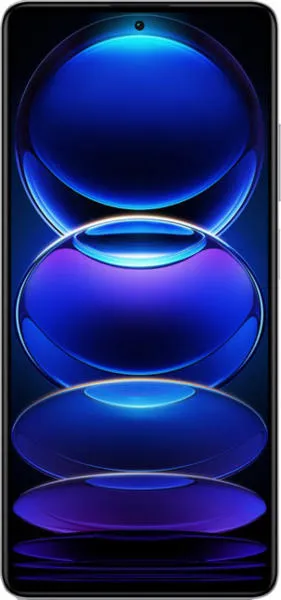
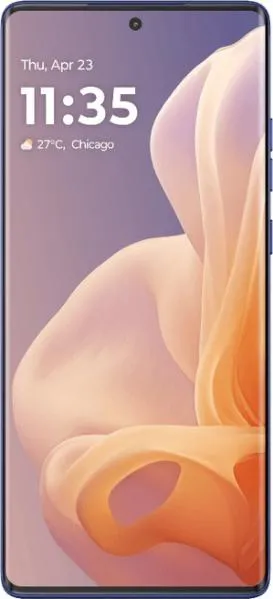
Xiaomi Redmi Note 12 Pro+ vs. Motorola Moto G85: A Detailed Comparison
Let's dive deep into a comparative analysis of the Xiaomi Redmi Note 12 Pro+ and the Motorola Moto G85, dissecting their technical specifications and translating them into real-world implications for you, the user.
1. Specifications Breakdown
| Feature | Xiaomi Redmi Note 12 Pro+ | Motorola Moto G85 | Real-World Implications |
|---|---|---|---|
| Design | |||
| Dimensions (mm) | 162.9 x 76 x 8.9 | 161.9 x 73.1 x 7.6 | Moto G85 is slightly smaller and thinner |
| Weight (g) | 208.4 | 171 | Moto G85 is noticeably lighter, more comfortable for extended use |
| Display | |||
| Type | OLED | P-OLED | Both offer vibrant colors and deep blacks; P-OLED potentially more power-efficient |
| Size | 6.67" | 6.67" | Identical screen real estate |
| Resolution | 1080 x 2400 | 1080 x 2400 | Same sharpness; no discernible difference in pixel density |
| Refresh Rate | 120Hz | 120Hz | Both deliver smooth scrolling and animations |
| Peak Brightness | 900 nits | 1600 nits | Moto G85 significantly brighter outdoors |
| HDR | Dolby Vision, HDR10+ | None | Redmi Note 12 Pro+ offers superior HDR support for compatible content |
| Performance | |||
| Chipset | Mediatek Dimensity 1080 (6nm) | Qualcomm Snapdragon 6s Gen 3 (6nm) | Comparable performance in day-to-day tasks; Snapdragon potentially slightly more efficient |
| CPU | Octa-core (2x2.6 GHz A78 & 6x2.0 GHz A55) | Octa-core (2x2.3 GHz A78 & 6x2.0 GHz A55) | Negligible difference in CPU performance for most users |
| GPU | Mali-G68 MC4 | Adreno 619 | Performance differences might be noticeable in demanding games; Redmi might have an edge |
| RAM | 8GB | 12GB | Moto G85 offers more RAM for multitasking and future-proofing |
| Camera | |||
| Main Camera | 200MP (Samsung HPX) | 50MP (Sony LYT-600) | Redmi boasts higher resolution; image quality depends on processing, not just megapixels |
| Video Recording | 4K@30fps, 1080p@120fps | 1080p@60fps | Redmi offers more versatile video recording options |
| Battery Life | |||
| Capacity | 5000mAh | 5000mAh | Identical battery capacity |
| Charging Speed | Not specified | Not Specified | A crucial detail missing; fast charging capabilities can significantly impact user experience |
2. Key Insights
- Display: While both phones have similar display sizes and resolutions, the Moto G85 shines brighter, making it more legible in direct sunlight. However, the Redmi Note 12 Pro+ supports HDR standards like Dolby Vision and HDR10+, providing a richer viewing experience for compatible content.
- Performance: The processors are fairly comparable, but the Moto G85's 12GB RAM provides a significant advantage for heavy multitasking and demanding applications. The Redmi Note 12 Pro+'s slightly more powerful GPU might offer a slight edge in gaming.
- Camera: The Redmi Note 12 Pro+ boasts a 200MP main camera, but megapixels don't tell the whole story. Real-world image quality will depend on factors like sensor size, aperture, and image processing. The Moto G85 has a 50MP sensor that might produce excellent results. Crucially, the Redmi offers superior video recording capabilities.
3. User Profiles and Recommendations
- Redmi Note 12 Pro+: Best for users prioritizing a vibrant display with HDR support, more versatile video recording features, and potentially slightly better gaming performance.
- Moto G85: Ideal for those who value a lighter phone, exceptional screen brightness for outdoor use, and ample RAM for smooth multitasking and demanding applications.
4. Buying Decision Framework
- What are your primary use cases? Heavy content consumption? Gaming? Photography? Multitasking?
- What's your budget? While both are in the mid-range, slight price differences might exist.
- Which features matter most? Display quality? Battery life (fast charging speeds are crucial but missing)? Camera performance? RAM capacity?
My Choice:
If I had to choose, I'd lean towards the Xiaomi Redmi Note 12 Pro+. The superior display quality with HDR support and the more versatile video recording options are compelling. While the Moto G85's brightness and RAM are attractive, the Redmi Note 12 Pro+'s overall feature set aligns more closely with my personal preferences for media consumption and content creation. However, the lack of charging speed specifications for both phones makes a definitive judgment difficult. If the Moto G85 had significantly faster charging, it could sway my decision. Ultimately, real-world reviews and battery charging tests would be necessary for a final verdict.
