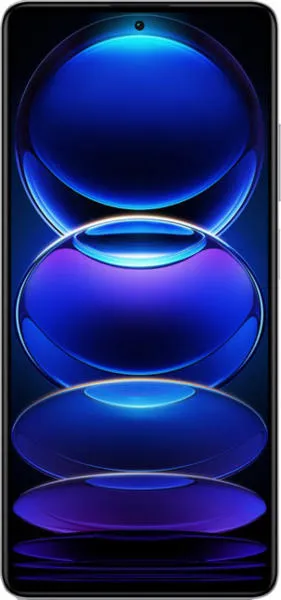
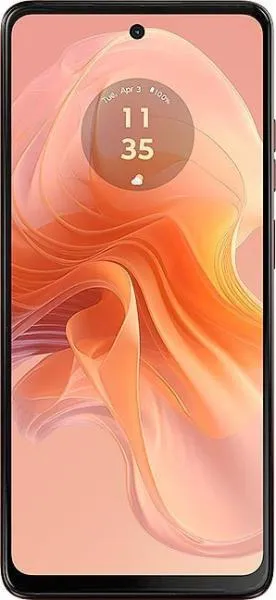
Xiaomi Redmi Note 12 Pro+ vs. Motorola Moto G04s: A Deep Dive
Let's dissect the Xiaomi Redmi Note 12 Pro+ and the Motorola Moto G04s, two mid-range contenders vying for your attention. We'll go beyond the spec sheet, translating technical jargon into real-world implications for your everyday use.
1. Specifications Breakdown
| Feature | Xiaomi Redmi Note 12 Pro+ | Motorola Moto G04s | Real-World Implications |
|---|---|---|---|
| Design | |||
| Dimensions (mm) | 162.9 x 76 x 8.9 | 163.5 x 74.5 x 8 | Pro+ slightly more compact, but both are large phones. |
| Weight (g) | 208.4 | 178.8 | G04s noticeably lighter, reducing hand fatigue during extended use. |
| Display | |||
| Type | AMOLED | IPS LCD | Pro+ offers richer blacks, vibrant colors, and better power efficiency in dark mode. G04s provides good visibility in bright sunlight. |
| Size (inches) | 6.67 | 6.56 | Negligible size difference. |
| Resolution | 1080 x 2400 | 720 x 1612 | Pro+ significantly sharper, resulting in crisper text and images. G04s noticeably less sharp. |
| Refresh Rate (Hz) | 120 | 90 | Pro+ smoother animations and scrolling, enhancing the overall feel. G04s still smooth, but less responsive. |
| Performance | |||
| Chipset | Dimensity 1080 (6nm) | Unisoc T606 (12nm) | Pro+ significantly more powerful, enabling faster app loading, multitasking, and gaming. G04s sufficient for basic tasks. |
| CPU | Octa-core (2x2.6 GHz A78 & 6x2.0 GHz A55) | Octa-core (2x1.6 GHz A75 & 6x1.6 GHz A55) | Pro+'s higher clock speeds and more powerful cores translate to a noticeable performance advantage. |
| RAM (GB) | 8 (Tested) | 4 (Tested) | Pro+ better for multitasking and demanding applications. G04s may experience slowdowns with multiple apps or heavy usage. |
| Camera | |||
| Main Camera (MP) | 200 | 50 | Pro+ boasts higher resolution, potentially capturing more detail. Real-world performance depends heavily on image processing. |
| Video | 4K@30fps, up to 960fps slow-mo | 1080p@30fps | Pro+ offers superior video recording capabilities with higher resolution and slow-motion options. |
| Battery Life | |||
| Capacity (mAh) | 5000 | 5000 | Similar battery capacities, but actual battery life depends on usage and optimization. Pro+'s AMOLED screen might offer an advantage. |
2. Key Insights
The Redmi Note 12 Pro+ is the clear performance champion, thanks to its powerful Dimensity 1080 chipset, ample RAM, and a stunning 120Hz AMOLED display. It excels in demanding tasks like gaming and multitasking, while also delivering a premium visual experience.
The Moto G04s, on the other hand, prioritizes affordability. While its Unisoc T606 processor and 90Hz IPS LCD are less impressive on paper, they still provide a decent user experience for everyday tasks like browsing, social media, and light gaming. Its lighter weight might also appeal to some.
3. User Profiles and Recommendations
Redmi Note 12 Pro+: Ideal for power users, gamers, content creators, and anyone who values a premium display and smooth performance.
Moto G04s: Suitable for budget-conscious users, casual users who primarily use their phone for basic tasks, and those who prioritize a lightweight device.
4. Buying Decision Framework
- What is your budget? The G04s is significantly cheaper.
- What are your primary phone usage patterns? For demanding tasks, the Pro+ is a must. For basic use, the G04s is sufficient.
- Do you prioritize display quality and performance, or affordability and battery life? The Pro+ excels in the former, while the G04s focuses on the latter (though real world battery needs more testing.)
My Choice: The Redmi Note 12 Pro+
While the Moto G04s offers excellent value for its price, I would choose the Redmi Note 12 Pro+. The superior performance, stunning AMOLED display, and versatile camera system are compelling. I appreciate smooth performance, vibrant visuals, and the ability to handle demanding tasks without lag. The price difference is justified for the significant upgrade in user experience. The 200MP camera, while needing real world testing to confirm its quality beyond the megapixel count, holds significant potential. The faster charging and inclusion of 5G also sway my decision.
