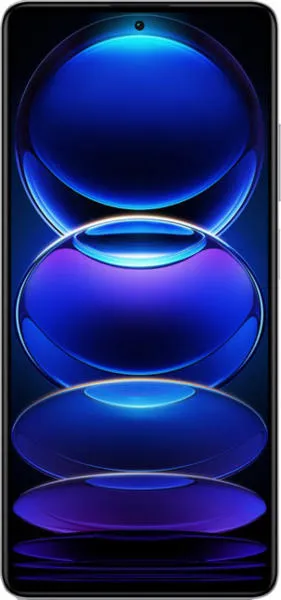
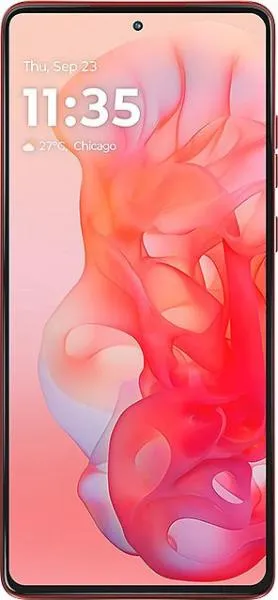
Xiaomi Redmi Note 12 Pro+ vs. Motorola Moto G Stylus 5G (2024): A Detailed Comparison
Hello fellow tech enthusiasts! Alex Griffin here, ready to dissect the Xiaomi Redmi Note 12 Pro+ and the Motorola Moto G Stylus 5G (2024). We'll delve deep into their specs, translating engineering jargon into practical insights to help you choose the perfect phone.
1. Specifications Breakdown
| Feature | Xiaomi Redmi Note 12 Pro+ | Motorola Moto G Stylus 5G (2024) | Real-World Implications |
|---|---|---|---|
| Design | |||
| Dimensions (mm) | 162.9 x 76 x 8.9 | 162.6 x 74.8 x 8.3 | Moto G Stylus is slightly more compact and thinner. |
| Weight (g) | 208.4 | 190 | Moto G Stylus is noticeably lighter, improving one-handed use. |
| Build Materials | Glass front/back | Plastic back | Redmi Note 12 Pro+ feels more premium; Moto G Stylus prioritizes practicality. |
| Stylus | No | Yes | Moto G Stylus offers precise note-taking and drawing capabilities. |
| Display | |||
| Type | OLED | pOLED | Both offer vibrant colors and deep blacks. pOLED might be slightly more power-efficient. |
| Size | 6.67" | 6.7" | Virtually identical screen sizes. |
| Resolution | 1080 x 2400 | 1080 x 2400 | Same resolution, resulting in similar sharpness. |
| Refresh Rate | 120Hz | 120Hz | Both offer smooth scrolling and animations. |
| Peak Brightness | 900 nits | 1200 nits | Moto G Stylus boasts significantly higher peak brightness, improving outdoor visibility. |
| Performance | |||
| Chipset | Dimensity 1080 (6nm) | Snapdragon 6 Gen 1 (4nm) | Snapdragon 6 Gen 1 generally offers better performance and efficiency due to the smaller manufacturing process node. |
| CPU | Octa-core (2x2.6 GHz A78 & 6x2.0 GHz A55) | Octa-core (4x2.2 GHz A78 & 4x1.8 GHz A55) | Moto G Stylus has a slightly faster CPU configuration potentially leading to better multi-tasking performance. |
| GPU | Mali-G68 MC4 | Adreno 710 | Adreno 710 provides a stronger graphical performance for gaming and demanding applications. |
| RAM | 8GB | 8GB | Both offer ample RAM for smooth multitasking. |
| Camera | |||
| Main Camera | 200MP | 50MP | Redmi Note 12 Pro+ boasts higher resolution, but real-world image quality depends on sensor and processing. |
| Selfie Camera | 16MP | 32MP | Moto G Stylus has a higher resolution selfie camera. |
| Battery Life | |||
| Capacity | 5000mAh | 5000mAh | Similar battery capacities suggest comparable battery life, though real-world usage will vary. |
2. Key Insights
- Performance: The Moto G Stylus 5G (2024), with its Snapdragon 6 Gen 1, newer OS, and superior GPU, likely delivers smoother performance, especially in demanding tasks and gaming. The Redmi Note 12 Pro+'s Dimensity 1080 is capable but shows its age.
- Display: Both phones offer excellent displays with fast refresh rates. However, the Moto G Stylus 5G's higher peak brightness makes it a clear winner for outdoor use.
- Camera: The Redmi Note 12 Pro+ boasts a massive 200MP main sensor, but megapixels don't tell the whole story. Image processing and software play a crucial role. The Moto G Stylus 5G opts for a 50MP sensor and 32MP selfie camera, promising a good overall experience. Real-world comparisons are needed to determine the winner.
- Stylus: The Moto G Stylus 5G's integrated stylus caters to users who value note-taking, sketching, and precise screen interaction. This is a significant differentiator.
- Software and Updates: The Moto G Stylus 5G (2024) ships with Android 14 and is guaranteed an update to Android 15. The Redmi Note 12 Pro+, launched with Android 12, might receive Android 14, but future updates are less certain.
3. User Profiles and Recommendations
- Redmi Note 12 Pro+: For users seeking a stylish design, potentially impressive camera hardware (pending real-world tests), and fast charging at a competitive price.
- Moto G Stylus 5G (2024): Ideal for those who prioritize a smooth user experience, longer software support, excellent outdoor visibility, and the unique functionality of a stylus. Students, creative professionals, and anyone who enjoys handwritten notes will appreciate the stylus.
4. Buying Decision Framework
- Is a stylus essential for your workflow? If yes, the Moto G Stylus 5G is the clear choice.
- How important is software update longevity? If you value receiving the latest Android features and security patches for an extended period, the Moto G Stylus 5G is preferable.
- What is your budget? Considering the features offered, both phones likely fall within a similar price range, making the feature set a stronger deciding factor than price alone.
My Choice: I'd choose the Motorola Moto G Stylus 5G (2024). While the Redmi Note 12 Pro+ has a tempting 200MP camera, I prioritize a smoother overall experience, guaranteed software updates, and the versatility offered by the stylus. The brighter display is a significant bonus for outdoor use. The Moto G Stylus 5G feels like a more future-proof device with a better balance of features for my needs.
