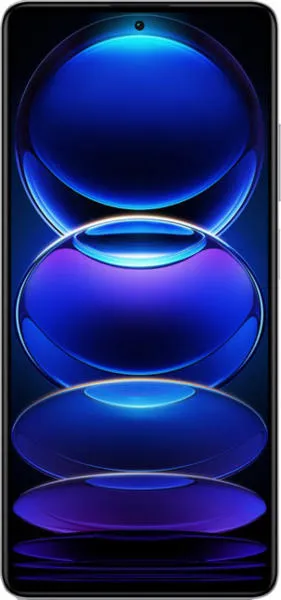
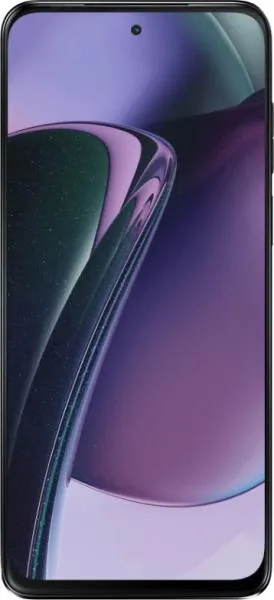
Xiaomi Redmi Note 12 Pro+ vs. Motorola Moto G Stylus 5G (2023): A Comparative Analysis
Hello fellow tech enthusiasts! Today, we're diving deep into a head-to-head comparison of two intriguing mid-range contenders: the Xiaomi Redmi Note 12 Pro+ and the Motorola Moto G Stylus 5G (2023). Both phones promise compelling features at an accessible price point, but which one comes out on top? Let's dissect the specs and uncover the real-world implications for you.
1. Specifications Breakdown
| Feature | Xiaomi Redmi Note 12 Pro+ | Motorola Moto G Stylus 5G (2023) | Real-World Implications |
|---|---|---|---|
| Design | Glass front/back, plastic frame | Plastic body | Redmi feels more premium; Moto might be more durable against drops. |
| Dimensions (mm) | 162.9 x 76 x 8.9 | 162.8 x 73.8 x 9.2 | Virtually identical in size; Moto is slightly thicker. |
| Weight (g) | 208.4 | 202 | Redmi is a tad heavier but likely negligible in hand. |
| Stylus | No | Yes | Moto offers unique note-taking and drawing capabilities. |
| Display | 6.67" AMOLED, 120Hz, HDR10+, Dolby Vision | 6.6" IPS LCD, 120Hz | Redmi boasts superior color accuracy, contrast, and brightness. |
| Resolution | 1080 x 2400 | 1080 x 2400 | Identical sharpness on both devices. |
| Performance | Dimensity 1080 (6nm) | Snapdragon 6 Gen 1 (4nm) | Snapdragon generally offers better power efficiency and slightly improved performance. |
| CPU | Octa-core (2x2.6 GHz A78 & 6x2.0 GHz A55) | Octa-core (4x2.2 GHz A78 & 4x1.8 GHz A55) | Comparable processing power, but Snapdragon might handle demanding tasks slightly better. |
| GPU | Mali-G68 MC4 | Adreno 710 | Adreno 710 generally delivers a smoother gaming experience. |
| RAM | 8GB/12GB | 4GB/6GB/8GB | More RAM options on Redmi allow for better multitasking. |
| Camera | 200MP Main, 8MP Ultrawide, 2MP Macro | 50MP Main, 8MP Ultrawide/Macro | Redmi's 200MP sensor offers higher resolution, but real-world image quality depends on processing. |
| Battery Life | 5000mAh | 5000mAh | Similar battery capacity; Snapdragon's efficiency might give Moto a slight edge. |
2. Key Insights
The Redmi Note 12 Pro+ shines with its vibrant AMOLED display, blazing-fast 120Hz refresh rate, and impressive 200MP main camera sensor. This phone is a multimedia powerhouse, ideal for consuming content and capturing high-resolution photos and videos.
The Moto G Stylus 5G (2023), however, carves its own niche with the integrated stylus. This feature unlocks a world of productivity and creativity for note-takers, artists, and anyone who prefers the precision of pen-on-paper. The slightly more efficient Snapdragon processor could also translate to longer battery life.
3. User Profiles and Recommendations
Redmi Note 12 Pro+: Best suited for users who prioritize a premium display experience, high-resolution photography, and fast performance. Gamers, content creators, and social media enthusiasts will appreciate its capabilities.
Moto G Stylus 5G (2023): Ideal for students, professionals, and creative individuals who value the versatility of a stylus. Note-taking, sketching, and precise photo editing are all enhanced by this unique feature.
4. Buying Decision Framework
- Do you prioritize a stunning visual experience or the utility of a stylus? If vibrant colors and crisp details are paramount, the Redmi excels. If note-taking and drawing are essential, the Moto is your go-to.
- What's your budget? While both are mid-range, the specific RAM/storage configurations and regional pricing will influence your decision.
- How important is raw camera resolution versus overall image quality? The Redmi's 200MP sensor is impressive on paper, but real-world performance and Moto's image processing should be considered.
My Choice: The Redmi Note 12 Pro+
While the Moto G Stylus offers a unique advantage with its integrated stylus, I would choose the Redmi Note 12 Pro+. The AMOLED display is a game-changer for me, offering significantly richer colors and deeper blacks compared to the Moto's IPS LCD. I prioritize the superior visual experience for media consumption and gaming. While the 200MP camera might be overkill for some, the versatility it offers for cropping and capturing fine details is appealing. The slightly faster performance of the Dimensity 1080 and greater RAM capacity are also factors in my decision, ensuring smoother multitasking and future-proofing the device. I am willing to forgo the stylus functionality for a more immersive and visually compelling smartphone experience.
