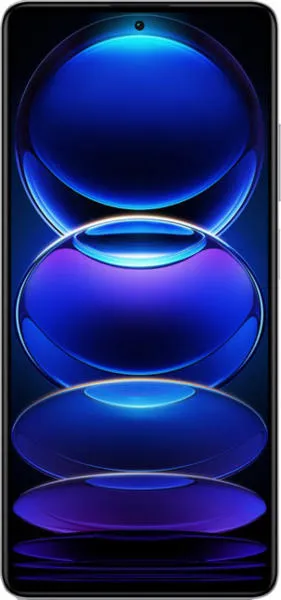
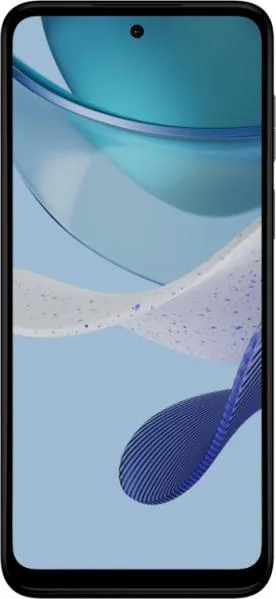
Xiaomi Redmi Note 12 Pro+ vs. Motorola Moto G (2023): A Comparative Analysis
The mid-range smartphone market is fiercely competitive, with devices vying for attention with compelling features and attractive price points. Today, we'll dissect two contenders: the Xiaomi Redmi Note 12 Pro+ and the Motorola Moto G (2023). Let's dive deep into their specifications and uncover what they offer in real-world usage.
1. Specifications Breakdown
| Feature | Xiaomi Redmi Note 12 Pro+ | Motorola Moto G (2023) | Real-World Implications |
|---|---|---|---|
| Design | |||
| Dimensions (mm) | 162.9 x 76 x 8.9 | 164 x 75 x 8.4 | Redmi is slightly more compact. |
| Weight (g) | 208.4 | 189 | Moto G is noticeably lighter, enhancing one-handed use. |
| Display | |||
| Type | OLED, 120Hz | IPS LCD, 120Hz | Redmi offers deeper blacks, vibrant colors, and better contrast. |
| Resolution | 1080 x 2400 | 720 x 1600 | Redmi has a sharper, more detailed display. |
| PPI Density | 395 | 270 | Redmi's display is significantly sharper. |
| Performance | |||
| Chipset | Dimensity 1080 (6nm) | Snapdragon 480+ 5G (8nm) | Redmi boasts a more powerful processor for smoother multitasking and gaming. |
| CPU | Octa-core (2x2.6 GHz A78 & 6x2.0 GHz A55) | Octa-core (2x2.2 GHz Kryo 460 & 6x1.8 GHz Kryo 460) | Redmi's CPU offers higher clock speeds, leading to faster performance. |
| GPU | Mali-G68 MC4 | Adreno 619 | Redmi likely has a performance edge in graphics-intensive tasks. |
| RAM | 8GB | 4GB | Redmi offers more RAM for smoother multitasking. |
| Camera | |||
| Main Camera | 200MP (Samsung HPX) | 48MP | Redmi's high megapixel count potentially offers greater detail, but real-world performance depends on processing. |
| Video | 4K@30fps | 1080p@30fps | Redmi supports higher resolution video recording. |
| Battery Life | |||
| Capacity | 5000mAh | 5000mAh | Similar battery capacities suggest comparable longevity, but actual usage will vary. |
2. Key Insights
The Redmi Note 12 Pro+ clearly leads in specifications across multiple categories. Its OLED display with a 120Hz refresh rate delivers a superior visual experience compared to the Moto G's IPS LCD. The Dimensity 1080 chipset, coupled with 8GB of RAM, significantly outperforms the Snapdragon 480+ in the Moto G, ensuring a smoother and more responsive user experience, especially for demanding tasks like gaming.
The Redmi's 200MP main camera promises impressive detail, though high megapixel counts don't always translate to superior image quality. We need real-world testing to determine how it performs against the Moto G's 48MP sensor. Video recording capabilities favor the Redmi with its 4K recording option.
Both phones feature a 5000mAh battery, suggesting comparable battery life. However, the Redmi's more power-efficient OLED display and optimized processor could contribute to longer usage times.
3. User Profiles and Recommendations
Redmi Note 12 Pro+: Ideal for users who prioritize performance, a vibrant display, and advanced camera features. Gamers, content creators, and those who demand a smooth, lag-free experience will appreciate the Redmi's powerful hardware.
Motorola Moto G (2023): Suitable for budget-conscious users who prioritize basic functionality and long battery life. Casual users who primarily use their phones for communication, social media, and light web browsing will find the Moto G adequate.
4. Buying Decision Framework
Questions to Consider:
- What's your budget? The Redmi Note 12 Pro+ sits in a higher price bracket than the Moto G.
- What are your primary phone usage patterns? Demanding tasks benefit from the Redmi's superior hardware, while casual usage might not necessitate such power.
- Which features are most important to you? Prioritize display quality, performance, camera capabilities, or battery life based on your needs.
Scenario-Based Recommendations:
- Heavy user, gamer: Redmi Note 12 Pro+
- Budget-conscious, light user: Moto G (2023)
- Photographer/Videographer: Redmi Note 12 Pro+ (pending real-world camera comparisons)
My Choice: Xiaomi Redmi Note 12 Pro+
If I were choosing between these two, I'd go with the Xiaomi Redmi Note 12 Pro+. The superior OLED display, significantly more powerful processor, and potential for a better camera experience (based on specs) outweigh the price difference for me. As someone who values a smooth, responsive user experience and enjoys mobile gaming and photography, the Redmi aligns better with my needs. The Moto G, while offering good value for its price, doesn't provide the level of performance and features I look for in a smartphone. The significantly sharper display of the Redmi is also a major selling point for me. I spend a lot of time consuming content on my phone, so a high-quality display is essential. While the Moto G is a respectable budget option, the Redmi Note 12 Pro+ offers a substantial upgrade in key areas that would significantly enhance my daily usage.
