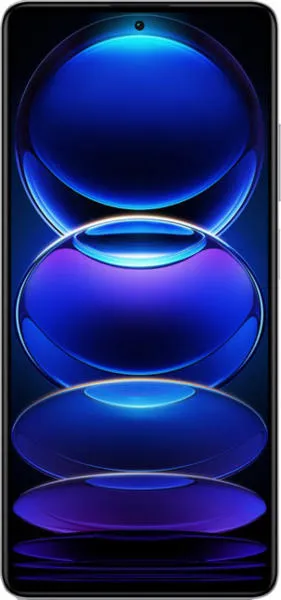
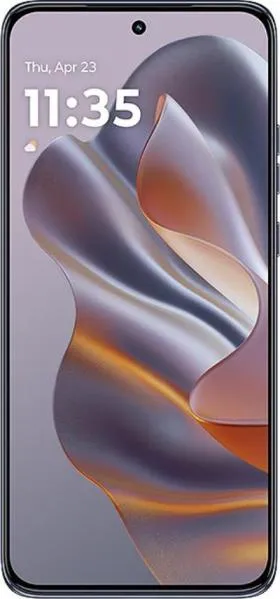
Xiaomi Redmi Note 12 Pro+ vs. Motorola Edge 50 Neo: A Deep Dive
Let's dissect the Xiaomi Redmi Note 12 Pro+ and the Motorola Edge 50 Neo, two compelling mid-range contenders vying for your attention. We'll go beyond the spec sheet, translating technical jargon into real-world experiences.
1. Specifications Breakdown
| Feature | Xiaomi Redmi Note 12 Pro+ | Motorola Edge 50 Neo | Real-World Implications |
|---|---|---|---|
| Design | |||
| Dimensions (mm) | 162.9 x 76 x 8.9 | 154.1 x 71.2 x 8.1 | Edge 50 Neo is slightly more compact and lighter, potentially improving one-handed usability. |
| Weight (g) | 208.4 | 171 | Noticeable difference in hand; Edge 50 Neo feels less bulky. |
| Display | |||
| Type | OLED | pOLED | Both offer vibrant colors and deep blacks; pOLED generally consumes less power. |
| Size (inches) | 6.67 | 6.4 | Redmi offers a slightly larger screen for more immersive media consumption. |
| Resolution (px) | 1080 x 2400 | 1256 x 2760 | Edge 50 Neo boasts a sharper display with higher pixel density. |
| Refresh Rate (Hz) | 120 | 120 | Both offer smooth scrolling and animations. LTPO on the Edge 50 Neo allows for variable refresh rate for power saving. |
| Performance | |||
| Chipset | Dimensity 1080 (6nm) | Dimensity 7300 (4nm) | Edge 50 Neo's newer, more efficient 4nm process should translate to better performance and battery life. |
| CPU | Octa-core (2x2.6 GHz A78 & 6x2.0 GHz A55) | Octa-core (4x2.5 GHz A78 & 4x2.0 GHz A55) | Edge 50 Neo might offer a slight edge in demanding tasks due to newer CPU architecture and higher clock speeds on performance cores. |
| GPU | Mali-G68 MC4 | Mali-G615 MC2 | Redmi's GPU might be slightly more powerful, beneficial for gaming. |
| RAM | 8GB | 8/12GB | More RAM options available on the Edge 50 Neo potentially benefits multitasking. |
| Camera | |||
| Main Camera (MP) | 200 | 50 | Redmi boasts higher megapixel count; however, sensor size and software processing are equally crucial. |
| Features | OIS, 4K@30fps | EIS, 4K@30fps, 3x Optical Zoom | Edge 50 Neo offers Electronic Image Stabilization (EIS) across all video modes and a dedicated telephoto lens. Redmi relies on Optical Image Stabilization on the main sensor. |
| Battery Life | |||
| Capacity (mAh) | 5000 | 4310 | Redmi has a larger battery capacity, suggesting longer usage time. |
2. Key Insights
- Performance: While the Redmi Note 12 Pro+ boasts a slightly more powerful GPU, the Motorola Edge 50 Neo gains a significant advantage with its newer and more efficient Dimensity 7300 processor built on a 4nm process. This translates to better sustained performance, improved thermal management, and potentially longer battery life.
- Display: Both phones feature 120Hz refresh rates for fluid visuals. However, the Edge 50 Neo's pOLED display with LTPO technology allows for dynamic refresh rate adjustment, optimizing battery consumption. It also boasts a higher resolution and peak brightness, making it more suitable for outdoor use.
- Camera: The Redmi Note 12 Pro+ flaunts a massive 200MP main sensor, while the Edge 50 Neo opts for a 50MP sensor with a dedicated telephoto lens offering 3x optical zoom. Megapixels aren't everything; image quality depends on sensor size, aperture, and software processing. Real-world testing is needed to determine the true winner here. Edge 50 Neo provides greater versatility with its zoom capabilities.
- Battery: The Redmi Note 12 Pro+'s larger 5000mAh battery likely provides longer endurance. However, the Edge 50 Neo's efficient processor and pOLED display with LTPO could close the gap.
3. User Profiles and Recommendations
- Redmi Note 12 Pro+: Ideal for users prioritizing a large display for media consumption, potentially longer battery life, and potentially smoother gaming performance.
- Motorola Edge 50 Neo: Best suited for users seeking a compact and lightweight design, a sharper display with excellent outdoor visibility, the latest Android OS with longer software update support, and a versatile camera system with a telephoto lens.
4. Buying Decision Framework
- What is your budget? The price difference might be a deciding factor.
- Do you prioritize a larger battery or a more efficient overall system?
- Is a telephoto lens or a high-resolution main sensor more important for your photography needs?
My Choice: Motorola Edge 50 Neo
If I were choosing between these two, I'd opt for the Motorola Edge 50 Neo. While the Redmi Note 12 Pro+ has its strengths (larger battery, high-resolution main camera), the Edge 50 Neo offers a more compelling overall package. The newer processor built on a more efficient process, sharper display with LTPO, the inclusion of a telephoto lens, and the latest Android version with longer support make it a future-proof choice. Its compact form factor is also appealing for everyday use. The slightly smaller battery is a trade-off I'm willing to make for the performance and efficiency gains. It strikes a great balance between performance, features, and modern design, positioning it well for long-term use.
