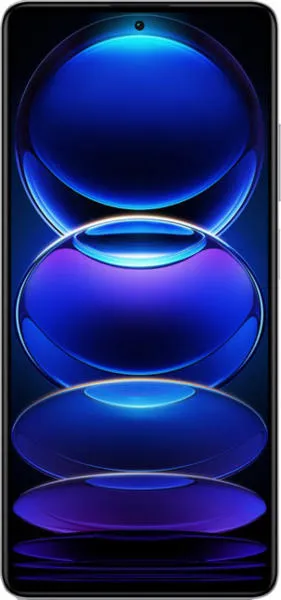
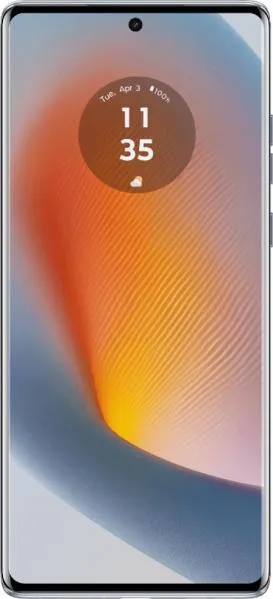
Xiaomi Redmi Note 12 Pro+ vs. Motorola Edge 50 Fusion: A Deep Dive
Let's dissect the Xiaomi Redmi Note 12 Pro+ and the Motorola Edge 50 Fusion, two compelling mid-range contenders vying for your attention. We'll go beyond the spec sheets to uncover what these numbers really mean for your daily life.
1. Specifications Breakdown
| Feature | Xiaomi Redmi Note 12 Pro+ | Motorola Edge 50 Fusion | Real-World Implications | |
|---|---|---|---|---|
| Design | ||||
| Dimensions (mm) | 162.9 x 76 x 8.9 | 161.9 x 73.1 x 7.9 | Edge 50 Fusion is slightly more compact and lighter, potentially improving one-handed usability. | |
| Weight (g) | 208.4 | 174.9 | Noticeable difference in hand; Edge 50 Fusion feels less bulky. | |
| Display | ||||
| Type | OLED | P-OLED | Both offer vibrant colors and deep blacks; P-OLED might offer slightly better power efficiency. | |
| Size | 6.67" | 6.7" | Negligible size difference in real-world usage. | |
| Refresh Rate | 120Hz | 120/144Hz | Smoother scrolling and animations on both; Edge 50 Fusion's 144Hz option provides a slight edge in supported regions. | |
| Peak Brightness | 900 nits | 1600 nits | Edge 50 Fusion significantly brighter outdoors. | |
| Performance | ||||
| Chipset | Dimensity 1080 (6nm) | Snapdragon 7s Gen 2 (4nm) | Edge 50 Fusion likely offers better performance and efficiency due to a more advanced node. | |
| CPU | Octa-core (2x2.6 GHz A78 & 6x2.0 GHz A55) | Octa-core (4x2.4 GHz A78 & 4x1.95 GHz A55) | Edge 50 Fusion's CPU configuration may provide sustained performance in demanding tasks. | |
| GPU | Mali-G68 MC4 | Adreno 710 | Adreno 710 generally delivers superior graphics performance for gaming. | |
| RAM | 8GB | 8GB | Both offer ample RAM for multitasking. | |
| Camera | ||||
| Main Sensor | 200MP (Samsung HPX) | 50MP (Sony LYT-700C) | Redmi boasts higher resolution; Edge 50 Fusion utilizes a larger sensor known for good low-light performance. | |
| Battery Life | ||||
| Capacity | 5000mAh | 5000mAh | Similar battery capacity suggests comparable longevity. Real-world usage will depend on optimization. |
2. Key Insights
- Performance: The Edge 50 Fusion's Snapdragon 7s Gen 2, built on a 4nm process, provides a clear advantage in processing power and efficiency compared to the Redmi Note 12 Pro+'s Dimensity 1080. This translates to smoother gaming, faster app loading, and potentially better battery life.
- Display: While both phones offer excellent displays, the Edge 50 Fusion's peak brightness of 1600 nits makes it a clear winner for outdoor visibility. The higher refresh rate options on the Edge, where available, will also appeal to gamers.
- Camera: The Redmi Note 12 Pro+ boasts a massive 200MP sensor, but megapixels don't tell the whole story. The Edge 50 Fusion's 50MP Sony sensor, with its larger pixel size, is likely to deliver better low-light performance and overall image quality.
- Software and Updates: The Motorola Edge 50 Fusion, launching with Android 14 and promising updates to Android 17, offers a longer software support lifecycle compared to the Redmi Note 12 Pro+. This is crucial for security and receiving new features.
3. User Profiles and Recommendations
- Redmi Note 12 Pro+: Best suited for users who prioritize a high-resolution camera for detailed daylight photography and value a vibrant display.
- Motorola Edge 50 Fusion: Ideal for users who demand smooth performance for gaming and everyday tasks, excellent outdoor visibility, and the assurance of long-term software updates.
4. Buying Decision Framework
- What matters most? Raw camera resolution, or overall performance and software updates?
- What's your budget? Compare prices in your region, considering the features you prioritize.
- How long do you plan to keep your phone? The Edge 50 Fusion's longer software update promise might be a deciding factor for long-term use.
My Choice: I would choose the Motorola Edge 50 Fusion. While the Redmi Note 12 Pro+ offers a tempting 200MP camera, the Edge 50 Fusion's superior processor, brighter display, longer software support, and more modern design make it a more well-rounded and future-proof device. The lighter weight and more compact form factor are also appealing for daily use. For me, the overall user experience and longevity offered by the Edge 50 Fusion outweigh the Redmi's megapixel advantage.
