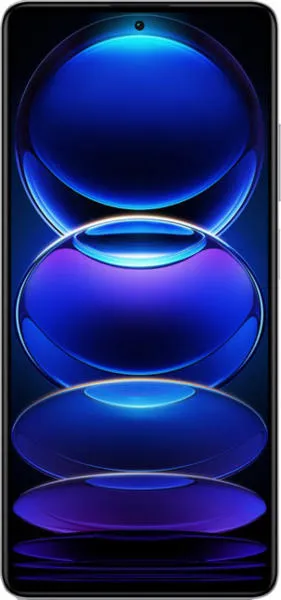
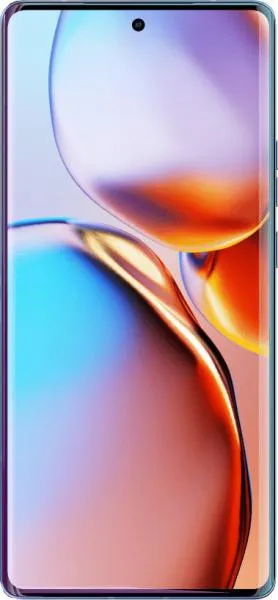
Xiaomi Redmi Note 12 Pro+ vs. Motorola Edge 40 Pro: A Deep Dive
Let's dissect the Xiaomi Redmi Note 12 Pro+ and the Motorola Edge 40 Pro, two compelling smartphones with distinct strengths. My goal is to arm you with the knowledge to decide which phone best fits your needs.
1. Specifications Breakdown
| Feature | Xiaomi Redmi Note 12 Pro+ | Motorola Edge 40 Pro | Real-World Implications |
|---|---|---|---|
| Design | |||
| Dimensions (mm) | 162.9 x 76 x 8.9 | 161.2 x 74 x 8.6 | Edge 40 Pro slightly more compact. |
| Weight (g) | 208.4 | 199 | Edge 40 Pro noticeably lighter, enhancing one-handed use. |
| Display | |||
| Type | OLED | OLED | Both offer vibrant colors and deep blacks. |
| Refresh Rate (Hz) | 120 | 165 | Edge 40 Pro's higher refresh rate delivers smoother scrolling and animations, especially in games. |
| Peak Brightness | 900 nits | 1300 nits | Edge 40 Pro significantly brighter for better outdoor visibility. |
| Performance | |||
| Chipset | Dimensity 1080 (6nm) | Snapdragon 8 Gen 2 (4nm) | Edge 40 Pro boasts significantly faster CPU and GPU performance for demanding tasks and gaming. |
| RAM (GB) | 8/12 | 12 | More RAM in Edge 40 Pro enables better multitasking and app switching. |
| Camera | |||
| Main Sensor (MP) | 200 | 50 | Redmi Note 12 Pro+ boasts higher megapixel count, but Edge 40 Pro likely utilizes a larger sensor |
| DxOMark Score | 113 | 130 | Edge 40 Pro scores significantly higher overall image quality according to DxOMark. |
| Video | 4K@30fps | 8K@30fps | Edge 40 Pro capable of higher resolution video recording. |
| Battery Life | |||
| Capacity (mAh) | 5000 | 4600 | Redmi Note 12 Pro+ has a larger battery, potentially offering longer battery life. |
| Charging | 120W Fast Charging | 125W Fast Charging | Both offer incredibly fast charging speeds, minimizing downtime. |
2. Key Insights
- Performance Champion: The Motorola Edge 40 Pro is a clear winner in performance thanks to the cutting-edge Snapdragon 8 Gen 2. Expect blazing-fast speeds and seamless multitasking.
- Display Delight: While both phones sport OLED displays, the Edge 40 Pro's 165Hz refresh rate and higher peak brightness provide a tangible advantage in fluidity and outdoor visibility. This is crucial for gamers and those who consume a lot of media on their phones.
- Camera Conundrum: The Redmi Note 12 Pro+'s 200MP main sensor grabs headlines, but megapixels aren't everything. The Edge 40 Pro's lower megapixel count is likely paired with a larger sensor and superior processing, resulting in a higher DxOMark score. Real-world image quality is likely better on the Edge 40 Pro.
- Battery Balancing Act: The Redmi Note 12 Pro+ packs a slightly larger battery, but the Edge 40 Pro's more power-efficient chip could potentially level the playing field. Both phones offer exceptionally fast charging, mitigating concerns about battery anxiety.
3. User Profiles and Recommendations
- Redmi Note 12 Pro+: For budget-conscious users who prioritize a long-lasting battery and fast charging, the Redmi Note 12 Pro+ offers great value. It's suitable for everyday tasks, social media, and casual gaming.
- Motorola Edge 40 Pro: For power users, mobile gamers, and those seeking the best possible display and camera experience, the Motorola Edge 40 Pro is the superior choice, albeit at a higher price point.
4. Buying Decision Framework
- What's your budget? The Redmi Note 12 Pro+ offers excellent value in the mid-range segment, while the Edge 40 Pro commands a flagship price.
- What are your performance needs? For demanding tasks and gaming, the Edge 40 Pro's Snapdragon 8 Gen 2 is essential.
- How important is camera quality? Based on DxOMark scores and specifications, the Edge 40 Pro likely offers superior image quality.
My Choice: Motorola Edge 40 Pro
While the Redmi Note 12 Pro+ offers compelling value, I'd choose the Motorola Edge 40 Pro. The superior performance of the Snapdragon 8 Gen 2, combined with the smoother 165Hz display and brighter screen, creates a significantly better user experience for my needs. While the higher price is a factor, the overall package offered by the Edge 40 Pro, particularly in terms of future-proofing and demanding tasks, justifies the investment. The likely superior camera quality is a significant bonus. As a tech enthusiast, I prioritize cutting-edge performance and a premium user experience, and the Edge 40 Pro delivers on both fronts.
