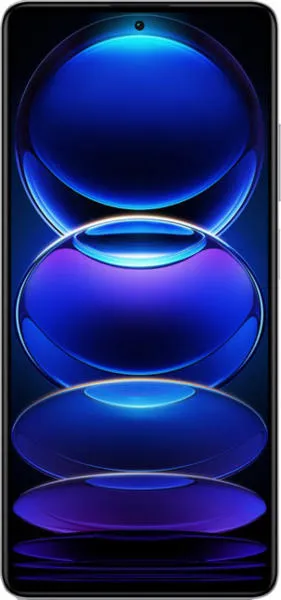
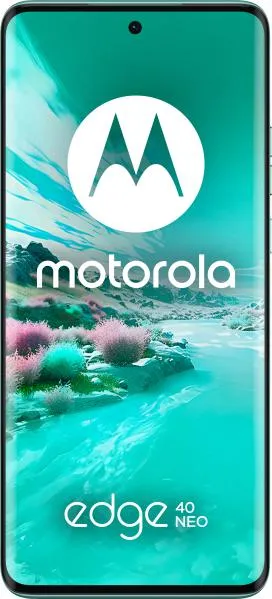
Xiaomi Redmi Note 12 Pro+ vs. Motorola Edge 40 Neo: A Deep Dive
Let's dissect the Xiaomi Redmi Note 12 Pro+ and the Motorola Edge 40 Neo, two compelling mid-range contenders vying for your attention. We'll go beyond the spec sheets to uncover what these numbers really mean for your daily life.
1. Specifications Breakdown
| Feature | Xiaomi Redmi Note 12 Pro+ | Motorola Edge 40 Neo | Real-World Implications |
|---|---|---|---|
| Design | |||
| Dimensions (mm) | 162.9 x 76 x 8.9 | 159.6 x 72 x 7.9 | Edge 40 Neo is slightly more compact and lighter, potentially improving one-handed usability. |
| Weight (g) | 208.4 | 170 | Noticeable difference in hand; Edge 40 Neo feels significantly less bulky. |
| Display | |||
| Type | OLED | P-OLED | Both offer vibrant colors and deep blacks; P-OLED might be slightly more power-efficient. |
| Refresh Rate (Hz) | 120 | 144 | Smoother scrolling and animations on the Edge 40 Neo, especially noticeable in gaming. |
| Peak Brightness | 900 nits | 1300 nits | Edge 40 Neo offers superior outdoor visibility. |
| Performance | |||
| Chipset | Dimensity 1080 | Dimensity 7030 | Both offer solid mid-range performance, but the 1080 might have a slight edge in raw power. |
| CPU | 2x2.6 GHz A78, 6x2.0 GHz A55 | 2x2.5 GHz A78, 6x2.0 GHz A55 | Negligible difference in CPU performance for everyday tasks. |
| GPU | Mali-G68 MC4 | Mali-G610 MC3 | 12 Pro+ likely has a slight advantage in graphics-intensive tasks. |
| RAM (GB) | 8/12 | 8/12 | Both offer ample RAM for multitasking; 12GB variants provide future-proofing. |
| Camera | |||
| Main Camera (MP) | 200 | 50 | Redmi Note 12 Pro+ boasts higher resolution; Motorola emphasizes sensor size and OIS for low light. |
| Video | 4K@30fps | 4K@30fps with EIS | Both can shoot 4K video; Edge 40 Neo benefits from Electronic Image Stabilization (EIS). |
| Battery Life | |||
| Capacity (mAh) | 5000 | 5000 | Similar battery capacities suggest comparable endurance. Real-world usage will vary. |
2. Key Insights
The Redmi Note 12 Pro+ shines with its impressive 200MP main camera sensor, potentially capturing highly detailed photos. However, real-world performance depends heavily on image processing. Its slightly more powerful Dimensity 1080 chipset might offer a minor performance advantage.
The Motorola Edge 40 Neo, while packing a lower resolution 50MP main camera, prioritizes features like OIS for steadier shots and better low-light performance. Its standout feature is the incredibly smooth 144Hz display, making everyday interactions feel incredibly fluid. The lighter and more compact design also enhances its portability.
3. User Profiles and Recommendations
Redmi Note 12 Pro+: Best suited for users prioritizing camera resolution and potentially demanding slightly more graphical horsepower for gaming or content creation.
Motorola Edge 40 Neo: Ideal for users who value a smooth, responsive display, a lightweight and compact design, along with reliable camera performance with OIS.
4. Buying Decision Framework
- Is camera resolution your top priority? If capturing highly detailed images is paramount, the Redmi Note 12 Pro+'s 200MP sensor might be enticing.
- How important is display smoothness? For gamers and those sensitive to smooth scrolling, the Edge 40 Neo's 144Hz display is a game-changer.
- Do you prioritize portability and one-handed use? The Edge 40 Neo's lighter and more compact form factor makes it easier to handle.
My Choice: Motorola Edge 40 Neo
While the 200MP camera of the Redmi Note 12 Pro+ is intriguing, I prioritize the overall user experience. The Motorola Edge 40 Neo's 144Hz display is a significant differentiator for me, as I appreciate the fluid responsiveness it brings to everyday tasks. Its lighter weight and more compact design further solidify my choice. The inclusion of OIS on the main camera, promising better low-light performance and video stabilization, outweighs the sheer megapixel count of the Redmi for my personal photography needs. Finally, the slightly newer release date suggests potential software updates for a longer period. It represents a well-rounded package that caters to my preferences for a smooth, portable, and reliable smartphone experience.
