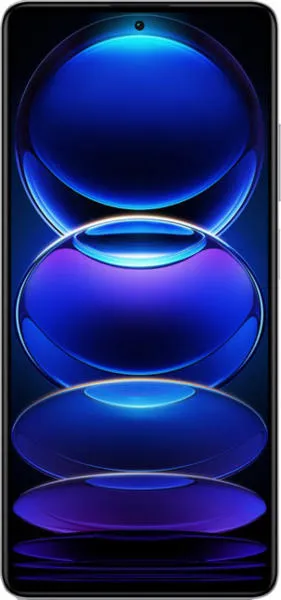
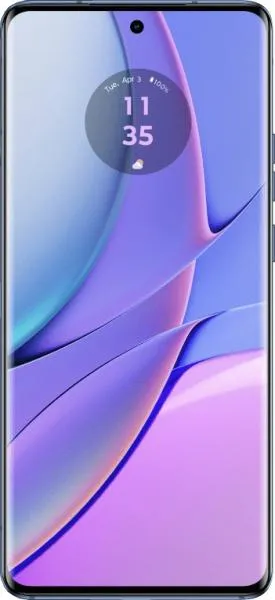
Xiaomi Redmi Note 12 Pro+ vs. Motorola Edge 40: A Deep Dive
Let's dissect the Xiaomi Redmi Note 12 Pro+ and the Motorola Edge 40, translating their spec sheets into real-world experiences.
1. Specifications Breakdown
| Feature | Xiaomi Redmi Note 12 Pro+ | Motorola Edge 40 | Real-World Implications |
|---|---|---|---|
| Design | |||
| Dimensions (mm) | 162.9 x 76 x 8.9 | 158.4 x 72 x 7.6 | Edge 40 is noticeably more compact and lighter, improving one-handed use. |
| Weight (g) | 208.4 | 167 | Edge 40 is significantly lighter, reducing hand fatigue. |
| Display | |||
| Type | OLED | P-OLED | Both offer vibrant colors and deep blacks; P-OLED might offer slightly better power efficiency. |
| Size | 6.67" | 6.55" | Negligible difference in screen real estate. |
| Refresh Rate | 120Hz | 144Hz | Edge 40's higher refresh rate results in smoother animations and scrolling, especially noticeable in gaming. |
| Peak Brightness | 900 nits | 1200 nits | Edge 40 is significantly brighter, ensuring better outdoor visibility. |
| Performance | |||
| Chipset | Dimensity 1080 | Dimensity 8020 | Both offer solid mid-range performance, but the 8020 in the Edge 40 is generally more powerful and efficient. |
| CPU | Octa-core (2x2.6 GHz A78 & 6x2.0 GHz A55) | Octa-core (4x2.6 GHz A78 & 4x2.0 GHz A55) | Edge 40's CPU configuration with four performance cores might provide a slight edge in demanding tasks. |
| GPU | Mali-G68 MC4 | Mali-G77 MC9 | Edge 40's GPU is newer and more capable, offering better gaming performance. |
| RAM | 8GB | 8GB | Both offer ample RAM for multitasking. |
| Camera | |||
| Main Camera | 200MP | 50MP | While the Redmi boasts higher resolution, real-world image quality depends heavily on processing. The Edge 40's larger sensor pixels (1.0µm vs 0.56 µm after binning) could provide better low-light performance. |
| Battery Life | |||
| Capacity | 5000mAh | 4400mAh | Redmi Note 12 Pro+ likely offers longer battery life due to larger capacity. |
2. Key Insights
Performance: While both phones use MediaTek Dimensity chipsets, the Motorola Edge 40's Dimensity 8020 and Mali-G77 MC9 GPU deliver a more potent combination for gaming and demanding applications. The Redmi's Dimensity 1080 is no slouch, but the Edge 40 has a clear advantage in raw performance.
Display: The Edge 40's 144Hz refresh rate and 1200 nits peak brightness create a noticeably smoother and more vibrant viewing experience, especially outdoors. While the Redmi's OLED display is excellent, the Edge 40 pushes the boundaries further.
Design and Portability: The Motorola Edge 40's slimmer profile and lighter weight make it more comfortable for one-handed use and extended periods. This is a significant advantage for users who prioritize portability.
Camera: The megapixel count might tempt you towards the Redmi, but the Edge 40's 50MP sensor with larger individual pixels and a wider aperture (f/1.4) promises better low-light performance and potentially superior overall image quality. Remember, megapixels aren't everything; sensor size and processing are crucial.
3. User Profiles and Recommendations
Xiaomi Redmi Note 12 Pro+: Best suited for users prioritizing battery life and a large, vibrant display. Its 200MP camera might attract photography enthusiasts, but real-world performance needs further scrutiny.
Motorola Edge 40: Ideal for users who value a smooth, responsive experience, a bright display for outdoor use, and a more compact and lightweight design. Gamers and those who demand top-tier performance will appreciate the Edge 40's superior hardware.
4. Buying Decision Framework
- Is top-tier performance and a smooth display your priority? If yes, the Motorola Edge 40 is the clear winner.
- Is battery life a primary concern? If yes, the Xiaomi Redmi Note 12 Pro+ with its 5000mAh battery likely offers longer usage time.
- Do you prioritize a compact and lightweight phone for easy one-handed use? If yes, the Motorola Edge 40's slim design will be more appealing.
My Choice: Motorola Edge 40
If I were choosing between these two, I'd go for the Motorola Edge 40. The combination of a more powerful processor, a smoother 144Hz display with superior brightness, a more compact form factor, and potentially better camera performance (despite lower megapixel count) aligns better with my priorities. While the Redmi Note 12 Pro+ offers a larger battery, the performance and user experience advantages of the Edge 40 make it the more compelling device for me. I value the responsiveness and fluidity of a high refresh rate display and appreciate the ergonomic benefits of a lighter, more compact phone. The Edge 40 feels like a more future-proof device with its superior hardware, promising a consistently smooth and enjoyable user experience for longer.
