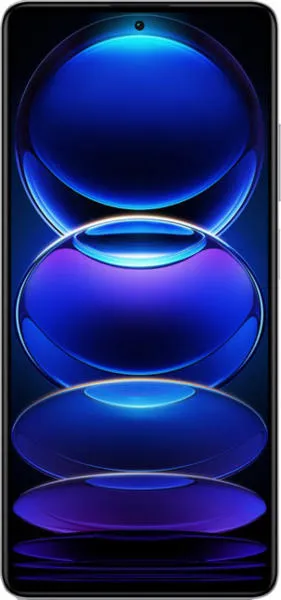
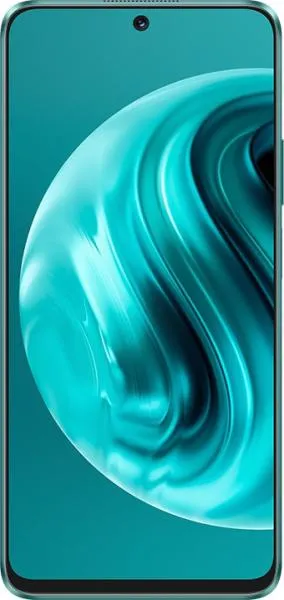
Xiaomi Redmi Note 12 Pro+ vs. Huawei nova 12i: A Comparative Deep Dive
Hello fellow tech enthusiasts! Today, we're dissecting two intriguing mid-range contenders: the Xiaomi Redmi Note 12 Pro+ and the Huawei nova 12i. Let's delve into the specs, translate them into real-world experiences, and uncover which phone reigns supreme.
1. Specifications Breakdown
| Feature | Xiaomi Redmi Note 12 Pro+ | Huawei nova 12i | Real-World Implications |
|---|---|---|---|
| Design | |||
| Dimensions (mm) | 162.9 x 76 x 8.9 | 163.3 x 74.7 x 8.4 | Pro+ slightly more compact; negligible difference in hand. |
| Weight (g) | 208.4 | 199 | Both feel substantial, Pro+ slightly heavier. |
| Display | |||
| Type | OLED, 120Hz | IPS LCD, 90Hz | Pro+: Vibrant colors, deeper blacks, smoother scrolling. |
| Resolution | 1080 x 2400 | 1080 x 2388 | Similar sharpness; virtually indistinguishable. |
| HDR | Dolby Vision, HDR10+ | None | Pro+: Noticeably better dynamic range in supported content. |
| Performance | |||
| Chipset | Dimensity 1080 (6nm) | Snapdragon 680 (6nm) | Pro+: More powerful CPU and GPU, better multitasking. |
| CPU | Octa-core (2x2.6 GHz A78 & 6x2.0 GHz A55) | Octa-core (4x2.4 GHz A73 & 4x1.9 GHz A53) | Pro+: Superior performance in demanding tasks and games. |
| RAM | 8GB | 8GB | Comparable RAM; sufficient for most daily usage. |
| Camera | |||
| Main Camera | 200MP (Samsung HPX) | 108MP (Samsung HM6) | Pro+: Higher resolution, potentially more detail. |
| Video Recording | Up to 4K@30fps | Up to 1080p@30fps | Pro+: Significantly better video quality and options. |
| Battery Life | |||
| Capacity | 5000mAh | 5000mAh | Similar battery capacity; real-world usage will vary. |
| Charging | Fast Charging | Standard Charging | Pro+: Faster charging speeds, less downtime. |
2. Key Insights
The Redmi Note 12 Pro+ clearly boasts superior hardware across the board. Its Dimensity 1080 chipset outperforms the Snapdragon 680 in the Nova 12i, delivering smoother performance in demanding applications and games. The 120Hz OLED display provides a significantly richer visual experience compared to the 90Hz IPS LCD on the Nova 12i. The Pro+'s camera system, headlined by a 200MP sensor and capable of 4K video recording, also presents a considerable advantage.
However, the Nova 12i might appeal to users prioritizing a cleaner software experience, potentially with less bloatware. It also offers a slightly lighter build. While we lack specific OS details for the Nova 12i, newer Huawei phones often come with limitations on Google Mobile Services, which is a crucial factor to consider.
3. User Profiles and Recommendations
Redmi Note 12 Pro+: Ideal for users who value performance, a vibrant display, a versatile camera system, and fast charging. Gamers, content creators, and power users will appreciate its capabilities.
Huawei nova 12i: Suitable for budget-conscious users prioritizing basic functionality, a large screen, and long battery life. Casual users who primarily use their phones for communication, social media, and light browsing might find this sufficient. However, the lack of Google Mobile Services could be a deal-breaker for many.
4. Buying Decision Framework
- What are your primary smartphone needs? (Gaming, photography, basic communication?)
- How important is display quality and performance? (Smooth scrolling, vibrant colors, fast app loading?)
- Does relying on Huawei Mobile Services instead of Google's ecosystem pose a problem? (Access to apps, cloud storage, etc.)
My Choice: I would choose the Redmi Note 12 Pro+. The superior display, performance, and camera system are significant advantages I value. The faster charging is a bonus. While the Nova 12i is more affordable, the limitations in performance and the potential challenges with the Huawei ecosystem would make the Pro+ a more worthwhile investment in the long run for my needs. I prioritize a fluid, feature-rich experience, and the Pro+ delivers on that front.
