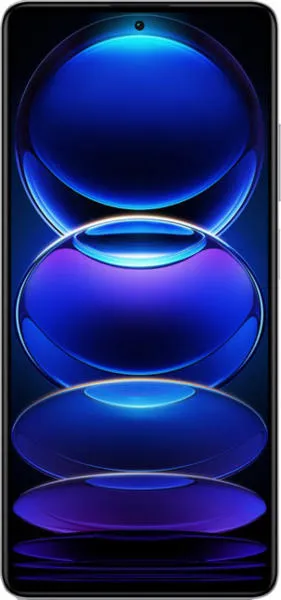

Xiaomi Redmi Note 12 Pro+ vs. Huawei nova 11 Pro: A Deep Dive
Let's dissect these two mid-range contenders, the Xiaomi Redmi Note 12 Pro+ and the Huawei nova 11 Pro, and see how they stack up in the real world.
1. Specifications Breakdown
| Feature | Xiaomi Redmi Note 12 Pro+ | Huawei nova 11 Pro | Real-World Implications |
|---|---|---|---|
| Design | |||
| Dimensions (mm) | 162.9 x 76 x 8.9 | 164.3 x 74.4 x 7.9 | Nova 11 Pro is slightly taller and thinner. Negligible difference in daily handling. |
| Weight (g) | 208.4 | 188 | Nova 11 Pro is noticeably lighter, improving one-handed use and reducing pocket fatigue. |
| Display | |||
| Size (inches) | 6.67 | 6.78 | Nova 11 Pro offers a marginally larger screen. |
| Resolution | 1080 x 2400 | 1200 x 2652 | Nova 11 Pro boasts sharper visuals due to higher resolution and pixel density. |
| Type | OLED | OLED | Both offer vibrant colors, deep blacks, and excellent contrast. |
| Refresh Rate (Hz) | 120 | 120 | Both ensure smooth scrolling and animations. |
| HDR | Dolby Vision, HDR10+ | HDR10 | Redmi Note 12 Pro+ supports more advanced HDR formats for potentially better video playback quality. |
| Performance | |||
| Chipset | Mediatek Dimensity 1080 | Snapdragon 778G 4G | Both offer solid mid-range performance, but the Snapdragon might have a slight edge in GPU performance. |
| CPU | Octa-core (2x2.6 GHz A78 & 6x2.0 GHz A55) | Octa-core (4x2.4 GHz Kryo 670 & 4x1.8 GHz Kryo 670) | Comparable CPU performance, day-to-day tasks should feel similar. |
| RAM | 8GB | 8GB | Sufficient RAM for multitasking in both devices. |
| Camera | |||
| Main Camera | 200MP | 50MP | Redmi boasts higher resolution, but megapixels don't tell the whole story. Image quality depends on sensor size, processing, and other factors. |
| Selfie Camera | 16MP | 60MP | Nova 11 Pro has a significantly higher resolution selfie camera. |
| Battery Life | |||
| Capacity (mAh) | 5000 | 4500 | Redmi Note 12 Pro+ has a larger battery, potentially leading to longer usage time. |
2. Key Insights
- Display: While both phones have stunning OLED displays with 120Hz refresh rates, the Nova 11 Pro edges out the Redmi with its sharper resolution. The difference might be subtle to some, but pixel peepers will appreciate the extra clarity.
- Performance: Both chipsets offer capable mid-range performance. The Snapdragon 778G in the Nova 11 Pro is known for its slightly better GPU, making it potentially smoother for gaming. However, the Dimensity 1080 in the Redmi Note 12 Pro+ is no slouch and should handle daily tasks with ease.
- Camera: The Redmi Note 12 Pro+ boasts a massive 200MP main sensor, while the Nova 11 Pro opts for a 50MP sensor. Megapixel count isn't everything; real-world image quality depends on factors like sensor size, aperture, and image processing. We need real-world camera samples to make a definitive judgment. However, the Nova 11 Pro shines in the selfie department with its impressive 60MP front camera.
- Battery: The Redmi Note 12 Pro+'s larger 5000mAh battery likely translates to longer usage time compared to the Nova 11 Pro's 4500mAh battery.
3. User Profiles and Recommendations
- Redmi Note 12 Pro+: Best for users prioritizing battery life, potentially superior main camera hardware, and more affordable price point. Ideal for power users, gamers on a budget, and those who consume a lot of media.
- Huawei nova 11 Pro: Best for users who value a lightweight and stylish design, a sharper display, a superior selfie camera experience, and don't mind paying a premium. Suitable for those focused on aesthetics, social media enthusiasts, and those who prioritize a premium feel.
4. Buying Decision Framework
- What matters most? Battery life, camera, performance, or design?
- What's your budget? The Redmi Note 12 Pro+ is generally more affordable.
- What's your photography focus? High-resolution main camera or stunning selfies?
My Choice: Xiaomi Redmi Note 12 Pro+
If I were choosing between these two, I'd lean towards the Redmi Note 12 Pro+. While the Nova 11 Pro has a slightly better display and potentially a smoother gaming experience, the Redmi Note 12 Pro+'s larger battery, potentially superior main camera hardware (pending real-world tests), and lower price point are more compelling to me. I value all-day battery life and a versatile camera, and the Redmi seems to deliver better in these areas. The price difference allows me to invest in accessories or other gadgets. Ultimately, the Redmi Note 12 Pro+ offers a more well-rounded package for my needs.
