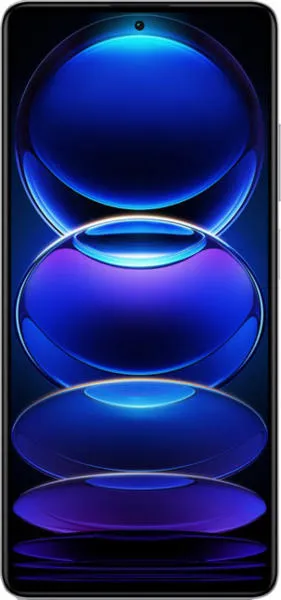

Xiaomi Redmi Note 12 Pro+ vs. Huawei Mate X3: A Deep Dive
Let's dissect the Xiaomi Redmi Note 12 Pro+ and the Huawei Mate X3, two phones vying for your attention in different ways. One offers impressive specs at a mid-range price, while the other pushes the boundaries of mobile technology with its foldable design. As Alex Griffin, your tech-savvy guide, I'll break down the complexities and reveal what truly matters for you.
1. Specifications Breakdown
| Feature | Xiaomi Redmi Note 12 Pro+ | Huawei Mate X3 | Real-World Implications |
|---|---|---|---|
| Design | |||
| Dimensions (mm) | 162.9 x 76 x 8.9 | 156.9 x 141.5 x 5.3 (Unfolded), 156.9 x 72.4 x 11.1 (Folded) | Mate X3 significantly more compact when folded, but larger and heavier when unfolded. Redmi Note 12 Pro+ is a more traditional "slab" phone. |
| Weight (g) | 208.4 | 239 | Mate X3's foldable design adds weight, impacting portability. |
| Foldable | No | Yes | Mate X3 offers a larger screen in a pocketable form factor when folded, transforming the user experience. |
| Display | |||
| Size (inches) | 6.67 | 7.85 (Unfolded), 6.4 (Folded) | Mate X3 provides a tablet-like experience when unfolded, Redmi Note 12 Pro+ a standard large screen. |
| Resolution (px) | 1080 x 2400 | 2224 x 2496 (Unfolded), 1080 x 2504 (Folded) | Mate X3 boasts a sharper display, especially when unfolded. |
| Type | OLED, 120Hz | Foldable OLED, 120Hz | Both offer smooth scrolling and vibrant colors thanks to OLED technology and high refresh rates. |
| Performance | |||
| Chipset | Mediatek Dimensity 1080 (6nm) | Qualcomm Snapdragon 8+ Gen 1 (4nm) | Mate X3 utilizes a significantly more powerful processor, resulting in smoother multitasking and better gaming performance. |
| CPU | Octa-core (2x2.6 GHz A78 & 6x2.0 GHz A55) | Octa-core (1x3.19 GHz X2 & 3x2.75 GHz A710 & 4x2.0 GHz A510) | Mate X3's CPU architecture offers a substantial performance advantage. |
| RAM | 8GB/12GB | 8GB/12GB | Both offer ample RAM for smooth operation. |
| Camera | |||
| Main Camera | 200MP | 50MP | Redmi Note 12 Pro+ boasts higher megapixel count, but Mate X3 likely uses a larger sensor, potentially offering better low-light performance and dynamic range. Real-world image quality depends on processing. |
| Battery Life | |||
| Capacity (mAh) | 5000 | 4800 | Redmi Note 12 Pro+ has a slightly larger battery, but heavier usage on the larger Mate X3 display might offset this. |
2. Key Insights
- Performance Powerhouse: The Mate X3's Snapdragon 8+ Gen 1 chip dwarfs the Dimensity 1080 in the Redmi Note 12 Pro+, promising a significant leap in processing power and graphics capabilities. This translates to faster app loading, smoother gaming, and better overall responsiveness.
- Foldable Future: The Mate X3's foldable design is the star of the show. It offers a unique combination of portability and expansive screen real estate, ideal for multitasking, content consumption, and even productivity on the go.
- Camera Considerations: While the Redmi Note 12 Pro+ boasts a massive 200MP sensor, megapixels aren't everything. The Mate X3's 50MP sensor, coupled with likely superior optics and processing, might deliver better overall image quality, particularly in challenging lighting conditions.
- Price vs. Features: The Redmi Note 12 Pro+ aims for value, providing a compelling set of features at a mid-range price. The Mate X3, with its cutting-edge technology, sits firmly in the premium segment, commanding a significantly higher price.
3. User Profiles and Recommendations
- Redmi Note 12 Pro+: Ideal for budget-conscious users who prioritize a good display, long battery life, and decent performance. Great for everyday tasks, social media, and casual gaming.
- Huawei Mate X3: Perfect for power users and early adopters who crave the latest technology and are willing to pay a premium for the foldable experience. Excellent for multitasking, media consumption, and on-the-go productivity.
4. Buying Decision Framework
- What's your budget? The Redmi Note 12 Pro+ offers excellent value, while the Mate X3 is a significant investment.
- How important is portability? While heavier, the Mate X3 offers a larger screen that folds into a more compact size than the Redmi Note 12 Pro+.
- Do you need top-tier performance? The Mate X3 delivers flagship-level speed, while the Redmi Note 12 Pro+ provides ample performance for everyday use.
My Choice: Huawei Mate X3
While the Redmi Note 12 Pro+ offers excellent value, I would choose the Huawei Mate X3. The foldable form factor is a game-changer for me. The ability to have a tablet-sized screen that folds into a pocketable device is incredibly appealing. The superior performance of the Snapdragon 8+ Gen 1 also ensures a smooth and responsive user experience. I'm willing to invest in the future of mobile technology, and the Mate X3 represents a significant step in that direction. While the price is premium, the unique experience and cutting-edge technology justify the cost for my needs. I'm particularly excited by the potential for productivity on the go, and the large unfolded screen opens up possibilities for multitasking and creative work that a traditional smartphone simply can't match.
