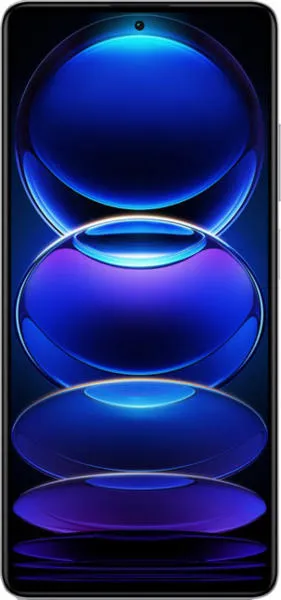
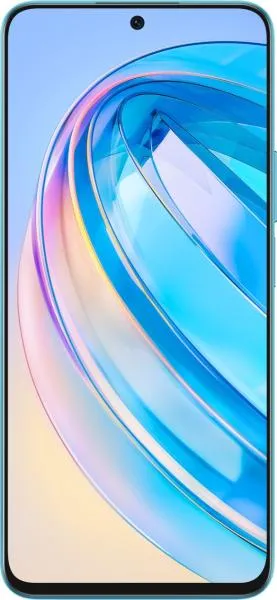
Xiaomi Redmi Note 12 Pro+ vs. Honor X8a: A Deep Dive
Let's dissect the Xiaomi Redmi Note 12 Pro+ and the Honor X8a, two compelling mid-range contenders, to see which phone truly delivers. I'll break down the specs, translate them into real-world experiences, and help you decide which device fits your needs.
1. Specifications Breakdown
| Feature | Xiaomi Redmi Note 12 Pro+ | Honor X8a | Real-World Implications |
|---|---|---|---|
| Design | |||
| Dimensions (mm) | 162.9 x 76 x 8.9 | 162.9 x 74.5 x 7.5 | X8a is slightly thinner and lighter. |
| Weight (g) | 208.4 | 179 | Noticeable difference in hand; X8a more comfortable for extended use. |
| Display | |||
| Type | OLED, 120Hz | IPS LCD, 90Hz | Pro+ offers richer blacks, smoother scrolling, and potentially better outdoor visibility. X8a uses a power-efficient but less vibrant display. |
| Resolution | 1080 x 2400 | 1080 x 2388 | Virtually identical sharpness. |
| HDR | Dolby Vision, HDR10+ | None | Pro+ provides significantly better dynamic range in supported content, resulting in more vibrant and realistic visuals. |
| Performance | |||
| Chipset | Dimensity 1080 (6nm) | Helio G88 (12nm) | Pro+ boasts a more powerful and efficient processor, leading to smoother multitasking, faster app loading, and better gaming performance. |
| CPU | Octa-core (2x2.6 GHz A78 & 6x2.0 GHz A55) | Octa-core (2x2.0 GHz A75 & 6x1.8 GHz A55) | Pro+'s higher clock speeds and more modern architecture provide a noticeable performance advantage. |
| RAM | 8GB / 12GB | 6GB / 8GB | More RAM in certain Pro+ variants enables better multitasking and smoother performance with demanding apps. |
| Camera | |||
| Main Camera | 200MP, f/1.65 | 100MP, f/1.9 | Pro+ offers higher resolution and a potentially brighter lens. Real-world image quality will depend on sensor and processing capabilities, not just megapixels. |
| Video | 4K@30fps, 720p@960fps | 1080p@30fps | Pro+ provides significantly better video recording capabilities, including higher resolution and slow-motion. |
| Battery Life | |||
| Capacity | 5000mAh | 4500mAh | Pro+ likely offers longer battery life due to larger capacity and a more efficient chipset. |
2. Key Insights
- Performance Champion: The Redmi Note 12 Pro+ significantly outperforms the Honor X8a thanks to its more powerful Dimensity 1080 chipset and higher RAM configurations. This translates to a smoother, more responsive experience across the board, especially in demanding tasks like gaming.
- Visual Feast: The Pro+'s 120Hz OLED display with Dolby Vision and HDR10+ support provides a vastly superior visual experience compared to the X8a's 90Hz IPS LCD. Colors are more vibrant, blacks are deeper, and motion is smoother on the Pro+.
- Camera Showdown: While the Pro+ boasts a higher resolution main camera, megapixels aren't everything. Real-world image quality will depend on factors like sensor size, processing, and software optimization. However, the Pro+ undeniably wins in video recording capabilities with 4K and 960fps slow-motion.
- Endurance Race: The Pro+'s larger 5000mAh battery combined with its efficient chipset likely results in longer battery life compared to the X8a's 4500mAh battery.
3. User Profiles and Recommendations
- Redmi Note 12 Pro+: Ideal for users who prioritize performance, a premium display, and versatile camera capabilities, especially for video recording. Power users, mobile gamers, and content creators will appreciate its capabilities.
- Honor X8a: Suited for budget-conscious users who prioritize a lightweight design and decent everyday performance for tasks like web browsing, social media, and casual photography. It's a good option for those seeking a reliable phone without breaking the bank.
4. Buying Decision Framework
- What is your budget? The Honor X8a is generally more affordable.
- What are your performance needs? For demanding tasks, the Redmi Note 12 Pro+ is the clear winner.
- How important is display quality? The Pro+'s OLED display is a significant upgrade.
My Choice: As Alex Griffin, I'd choose the Redmi Note 12 Pro+. While the Honor X8a offers a compelling value proposition for its price, I prioritize performance and a high-quality display. The Pro+'s superior chipset, vibrant OLED screen, and advanced camera features are more aligned with my needs as a tech enthusiast and content creator. The smoother performance and richer visuals enhance my daily workflow and allow me to enjoy multimedia content to the fullest. The slight price premium is justified by the significant upgrade in overall user experience.
