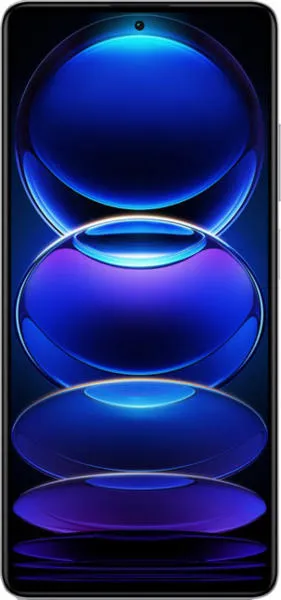
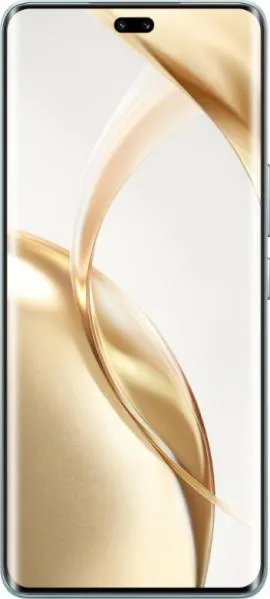
Xiaomi Redmi Note 12 Pro+ vs. Honor 200 Pro: A Deep Dive
Let's dissect the Xiaomi Redmi Note 12 Pro+ and the Honor 200 Pro, two compelling mid-range contenders vying for your attention. We'll go beyond the spec sheet, translating those numbers into real-world experiences to help you decide which phone fits your needs.
1. Specifications Breakdown
| Feature | Xiaomi Redmi Note 12 Pro+ | Honor 200 Pro | Real-World Implications |
|---|---|---|---|
| Design | |||
| Dimensions (mm) | 162.9 x 76 x 8.9 | 163.3 x 75.2 x 8.2 | Honor 200 Pro is slightly larger but thinner and lighter, potentially improving one-handed use. |
| Weight (g) | 208.4 | 199 | Noticeable difference in hand; Honor feels less bulky. |
| Display | |||
| Size | 6.67" | 6.78" | Honor offers a marginally larger screen for immersive content. |
| Resolution | 1080 x 2400 | 1224 x 2700 | Honor boasts sharper visuals due to higher resolution and pixel density. |
| Type | OLED | OLED | Both offer vibrant colors, deep blacks, and excellent contrast. |
| Refresh Rate | 120Hz | 120Hz | Both ensure smooth scrolling and animations. |
| Peak Brightness | 900 nits | 4000 nits | Honor's significantly higher peak brightness ensures exceptional outdoor visibility. |
| Performance | |||
| Chipset | Mediatek Dimensity 1080 | Snapdragon 8s Gen 3 | Honor's newer and more powerful chip promises significantly better performance in demanding tasks and gaming. |
| CPU | Octa-core (2x2.6 GHz A78 & 6x2.0 GHz A55) | Octa-core (1x3.0 GHz X4 & 4x2.8 GHz A720 & 3x2.0 GHz A520) | Honor's CPU architecture is more modern and powerful. |
| RAM | 8GB/12GB | 12GB | More RAM in the Honor can handle multitasking and demanding apps more efficiently. |
| Camera | |||
| Main Sensor | 200MP (Samsung HPX) | 50MP (Omnivision OVH9000) | While Redmi boasts higher resolution, real-world image quality depends on sensor size, processing, and lens quality. Honor's larger sensor might perform better in low light. |
| Video | 4K@30fps, 720p@960fps | 4K@30fps, 240 fps slow-mo | Both offer 4K recording; Honor might have better stabilization (OIS and EIS in video) and slow motion. |
| Battery Life | |||
| Capacity | 5000 mAh | 5200 mAh | Honor has a slightly larger battery, potentially offering longer usage time. |
2. Key Insights
- Performance: The Honor 200 Pro, with its Snapdragon 8s Gen 3 chip, will deliver noticeably smoother performance, especially in demanding games and multitasking. The Redmi's Dimensity 1080 is capable for everyday use but will show its limitations sooner.
- Display: While both phones have OLED displays with 120Hz refresh rates, the Honor's higher resolution and drastically brighter screen make it a clear winner for media consumption and outdoor use.
- Camera: The megapixel count might tempt you towards the Redmi, but the Honor uses a more advanced triple-lens system, and its videos may be smoother and more stable with optical image stabilisation and electronic image stabilization. Real-world camera comparisons are needed to determine a definitive winner.
- Software: The Honor 200 Pro ships with a more recent version of Android, potentially offering longer software support and newer features.
3. User Profiles and Recommendations
- Redmi Note 12 Pro+: Suitable for budget-conscious users who prioritize a high-resolution camera sensor and fast charging over top-tier performance. Great for casual gaming, social media, and everyday tasks.
- Honor 200 Pro: Ideal for users who demand top-notch performance, a brilliant display, and a more refined overall experience. Perfect for power users, mobile gamers, and content creators.
4. Buying Decision Framework
- What's your budget? The Redmi is generally more affordable.
- What are your performance needs? For demanding tasks and gaming, the Honor is superior.
- How important is display quality? The Honor's brighter, sharper display is a significant advantage.
My Choice: Honor 200 Pro
While the Redmi Note 12 Pro+ offers a compelling package for its price, I'd choose the Honor 200 Pro. The superior performance of the Snapdragon 8s Gen 3, combined with the stunning display and more refined design, justifies the higher price for me. The longer software support lifecycle of the Honor is also a major factor. As a tech enthusiast, I value a smooth, future-proof experience, and the Honor delivers that in spades. While I'd love to test the cameras in real-world scenarios before making a final judgement, the initial specs point to the Honor 200 Pro being a stronger contender overall.
