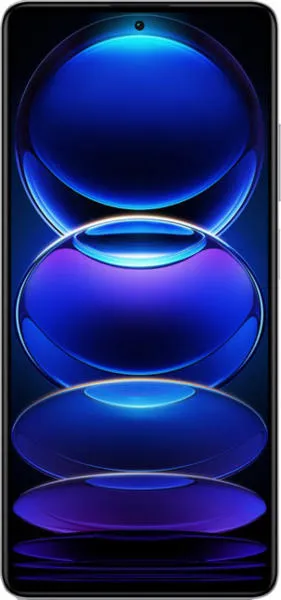
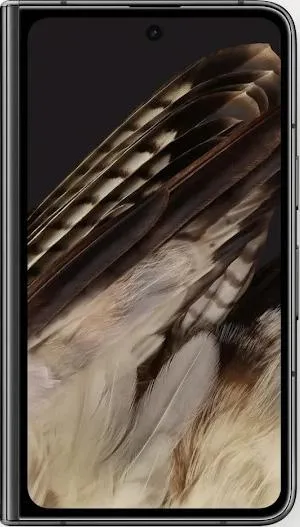
Xiaomi Redmi Note 12 Pro+ vs. Google Pixel Fold: A Detailed Comparison
Let's dive into a comprehensive comparison of the Xiaomi Redmi Note 12 Pro+ and the Google Pixel Fold, dissecting their specifications and uncovering what they truly offer in real-world usage.
1. Specifications Breakdown
| Feature | Xiaomi Redmi Note 12 Pro+ | Google Pixel Fold | Real-World Implications |
|---|---|---|---|
| Design | |||
| Dimensions (mm) | 162.9 x 76 x 8.9 | 139.7 x 158.7 x 5.8 | Pixel Fold significantly wider due to folding design; Redmi Note 12 Pro+ thinner and potentially more pocketable. |
| Weight (g) | 208.4 | 283 | Pixel Fold noticeably heavier, impacting one-handed use. |
| Foldable | No | Yes | Pixel Fold offers tablet-like experience; Redmi Note 12 Pro+ traditional slab design. |
| Display | |||
| Size (inches) | 6.67 | 7.6 (unfolded) 5.8(folded) | Pixel Fold provides larger screen real estate when unfolded for multitasking and media consumption. |
| Resolution (px) | 1080 x 2400 | 1840 x 2208 (unfolded) 1080 x 2092 (folded) | Pixel Fold boasts sharper display, especially noticeable in unfolded state. |
| Refresh Rate (Hz) | 120 | 120 | Both offer smooth scrolling and animations. |
| Display Type | OLED | Foldable OLED | Pixel Fold's folding display introduces a crease but enables versatile form factor. |
| Performance | |||
| Chipset | Mediatek Dimensity 1080 | Google Tensor G2 | Tensor G2 likely offers superior AI processing and overall performance, but Dimensity 1080 is no slouch. |
| CPU | Octa-core | Octa-core | Both have powerful CPUs, but Tensor G2's architecture may provide a performance edge. |
| RAM (GB) | 8/12 | 12 | Pixel Fold offers more RAM for demanding tasks and multitasking. |
| Camera | |||
| Main Camera (MP) | 200 | 48 | Redmi Note 12 Pro+ boasts higher megapixel count; Pixel Fold relies on Google's computational photography prowess. |
| DXOMARK Score | 113 | 133 | Pixel Fold likely delivers superior overall image quality despite lower megapixel count. |
| Battery Life | |||
| Capacity (mAh) | 5000 | 4821 | Redmi Note 12 Pro+ has slightly larger battery capacity, but real-world usage will depend on individual use patterns. |
2. Key Insights
- Performance: The Pixel Fold, with its Tensor G2 chip and ample RAM, is geared towards demanding users who prioritize raw power and AI capabilities. The Redmi Note 12 Pro+ offers respectable performance with the Dimensity 1080, sufficient for everyday tasks and moderate gaming.
- Camera: While the Redmi Note 12 Pro+ boasts a 200MP sensor, the Pixel Fold likely excels in overall image quality due to Google's advanced image processing algorithms. Expect superior dynamic range, detail, and low-light performance from the Pixel Fold.
- Form Factor: The Pixel Fold's foldable design is its defining feature, transforming from a phone to a mini-tablet. This versatility comes at the cost of increased weight and thickness. The Redmi Note 12 Pro+ prioritizes pocketability and a traditional smartphone experience.
3. User Profiles and Recommendations
- Redmi Note 12 Pro+: Suited for users seeking a well-rounded, affordable smartphone with a great display, fast charging, and good performance for everyday tasks. Ideal for social media, web browsing, casual gaming, and photography enthusiasts who prioritize high megapixel counts.
- Pixel Fold: Ideal for power users and early adopters who value cutting-edge technology and a unique, versatile form factor. Perfect for multitasking, content creation, media consumption, and those seeking the best possible camera experience in a foldable phone.
4. Buying Decision Framework
- Do you prioritize a large, foldable screen for multitasking and media consumption? If yes, the Pixel Fold is the clear choice.
- Is budget a primary concern? The Redmi Note 12 Pro+ offers excellent value for its price.
- Do you value the absolute best camera quality or a high megapixel count? Pixel Fold for image quality; Redmi Note 12 Pro+ for high resolution.
My Choice: As a tech journalist who values innovation and cutting-edge technology, I would choose the Google Pixel Fold. While it comes at a premium price, the foldable form factor opens up new possibilities for productivity and media consumption. The superior camera quality, powered by Google's computational photography, and the powerful Tensor G2 chip are compelling advantages. The trade-off in weight and thickness is acceptable considering the unique functionality offered. I'm willing to embrace the future of mobile technology, even with a slight crease in the middle.
