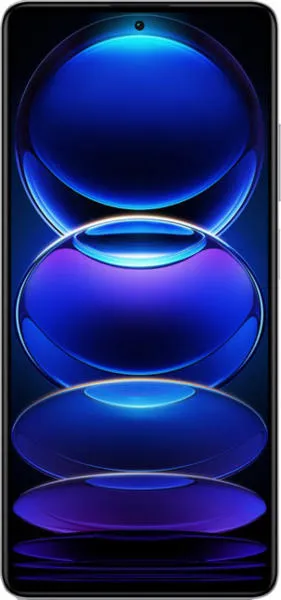

Xiaomi Redmi Note 12 Pro+ vs. Google Pixel 9 Pro: A Deep Dive
Let's dissect the Xiaomi Redmi Note 12 Pro+ and the Google Pixel 9 Pro, two compelling smartphones with distinct strengths. We'll go beyond the spec sheet to understand what these differences mean for you.
1. Specifications Breakdown
| Feature | Xiaomi Redmi Note 12 Pro+ | Google Pixel 9 Pro | Real-World Implications |
|---|---|---|---|
| Design | |||
| Dimensions (mm) | 162.9 x 76 x 8.9 | 152.8 x 72 x 8.5 | Pixel 9 Pro is more compact and potentially easier to handle. |
| Weight (g) | 208.4 | 199 | Noticeable difference in hand; Redmi is heavier. |
| Build Materials | Glass front/back, plastic frame | Aluminum frame, glass back | Pixel likely feels more premium; Redmi might be more durable against drops due to the plastic frame. |
| Display | |||
| Display Type | OLED | LTPO OLED | Both offer vibrant colors and deep blacks, but the Pixel's LTPO allows for dynamic refresh rate, saving battery. |
| Display Size (inches) | 6.67 | 6.3 | Redmi offers a larger screen for media consumption; Pixel is more one-hand friendly. |
| Resolution | 1080 x 2400 | 1280 x 2856 | Pixel boasts sharper visuals due to higher pixel density. |
| Refresh Rate (Hz) | 120 | 120 (adaptive) | Smoother scrolling and animations on both; Pixel dynamically adjusts for better battery life. |
| Peak Brightness (nits) | 900 | 3000 | Pixel's display is significantly brighter, crucial for outdoor visibility. |
| Performance | |||
| Chipset | Mediatek Dimensity 1080 | Google Tensor G4 | Tensor G4 is likely more powerful, especially for AI tasks and complex processing, resulting in faster app launches, smoother multitasking, and enhanced image processing. |
| CPU | Octa-core (2x2.6 GHz A78 & 6x2.0 GHz A55) | Octa-core (1x3.1 GHz X4 & 3x2.6 GHz A720 & 4x1.92 GHz A520) | Pixel's CPU architecture is more modern and efficient, potentially leading to better sustained performance. |
| RAM | 8GB | 16GB | Pixel has double the RAM, enabling superior multitasking and smoother performance with demanding apps. |
| Camera | |||
| Main Camera (MP) | 200 | 50 | Redmi boasts higher megapixel count; Pixel relies on computational photography for image quality. |
| Video Recording | Up to 4K@30fps | Up to 8K@30fps | Pixel offers higher resolution video recording capabilities. |
| Battery Life | |||
| Battery Capacity (mAh) | 5000 | 4700 | Redmi has a slightly larger battery, but real-world battery life depends on optimization and usage patterns. Pixel's LTPO display could offset the smaller battery. |
2. Key Insights
- Performance: The Pixel 9 Pro, with its Tensor G4 chip and 16GB RAM, will likely deliver a significantly smoother and more responsive user experience, especially for demanding tasks. The Redmi Note 12 Pro+, while capable, might show some lag with heavy multitasking or high-end gaming.
- Display: While both phones have 120Hz OLED displays, the Pixel 9 Pro's LTPO technology provides dynamic refresh rate adjustment, leading to better battery efficiency. Its drastically higher peak brightness also makes it far superior for outdoor use.
- Camera: The Redmi boasts a massive 200MP main sensor, but megapixels aren't everything. Google's Pixel line is renowned for its exceptional computational photography, delivering stunning images with fewer megapixels. Expect the Pixel 9 Pro to excel in low-light photography, dynamic range, and overall image quality due to its superior software processing.
- Software & Updates: The Pixel 9 Pro, being a Google phone, will receive faster and longer software updates, ensuring the latest features and security patches.
3. User Profiles and Recommendations
- Redmi Note 12 Pro+: Best for budget-conscious users who prioritize a large display for media consumption and casual gaming. It's a solid option for those seeking good value without breaking the bank.
- Pixel 9 Pro: Ideal for power users, photography enthusiasts, and those who value a premium user experience with the latest software and features. The superior camera, performance, and display justify the higher price tag.
4. Buying Decision Framework
- What's your budget? The Redmi offers excellent value, while the Pixel commands a premium price.
- What are your photography needs? Casual users might find the Redmi sufficient, but serious photographers will appreciate the Pixel's computational photography prowess.
- How important is software and performance? If you want the smoothest experience and longest software support, the Pixel is the clear winner.
My Choice: Google Pixel 9 Pro
While the Redmi Note 12 Pro+ offers impressive value, I would choose the Google Pixel 9 Pro. The combination of a more powerful processor, superior camera technology powered by Google's AI, guaranteed and timely software updates, brighter and more efficient display, and a more premium build makes it the winner for me. While the price difference is significant, the long-term benefits of a smoother, more future-proof device, along with the exceptional camera performance, outweigh the cost. I prioritize a seamless user experience and consistent performance, which the Pixel 9 Pro is more likely to deliver. The compact form factor is also appealing to me. While the Redmi's larger display is tempting for media consumption, I often prefer a phone that's easier to handle and pocket.
