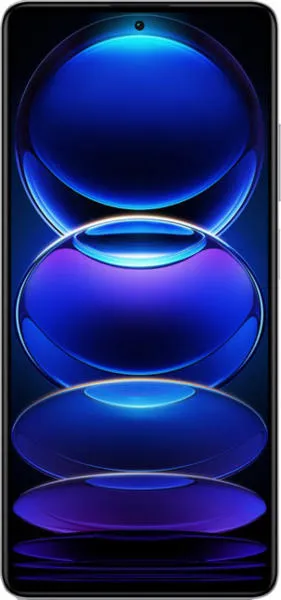
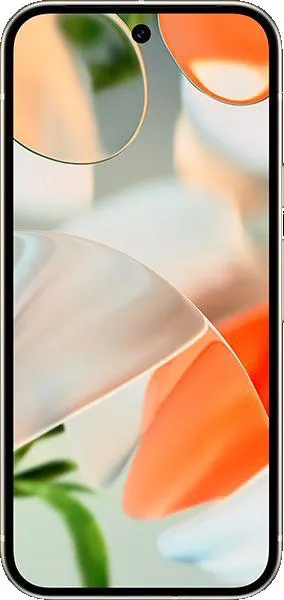
Xiaomi Redmi Note 12 Pro+ vs. Google Pixel 9: A Deep Dive
Let's dissect the Xiaomi Redmi Note 12 Pro+ and the Google Pixel 9, going beyond the spec sheets to understand what these phones offer in the real world.
1. Specifications Breakdown
| Feature | Xiaomi Redmi Note 12 Pro+ | Google Pixel 9 | Real-World Implications |
|---|---|---|---|
| Design | |||
| Dimensions (mm) | 162.9 x 76 x 8.9 | 152.8 x 72 x 8.5 | Pixel 9 is noticeably more compact, potentially easier for one-handed use. |
| Weight (g) | 208.4 | 198 | Pixel 9 is slightly lighter, enhancing portability. |
| Build Materials | (Not specified) | (Not specified) | Build quality impacts durability and premium feel; information lacking here. |
| Display | |||
| Size (inches) | 6.67 | 6.3 | Redmi's larger display offers more immersive content consumption. |
| Resolution | 1080 x 2400 | 1080 x 2424 | Similar sharpness; Pixel 9 has a slightly higher pixel density due to smaller size. |
| Type | OLED | OLED | Both offer vibrant colors, deep blacks, and excellent contrast. |
| Refresh Rate | 120Hz | 120Hz | Smooth scrolling and animations on both devices. |
| Peak Brightness | 900 nits (HBM) | 2700 nits (peak) | Pixel 9 boasts significantly higher peak brightness, crucial for outdoor visibility. |
| Performance | |||
| Chipset | MediaTek Dimensity 1080 | Google Tensor G4 | Tensor G4, being newer and designed by Google, likely offers superior AI processing and performance. |
| CPU | Octa-core (2x2.6 GHz A78 & 6x2.0 GHz A55) | Octa-core (1x3.1 GHz X4 & 3x2.6 GHz A720 & 4x1.92 GHz A520) | Pixel 9's more modern CPU architecture should deliver better performance and efficiency. |
| RAM | 8GB | 12GB | Pixel 9's larger RAM enables smoother multitasking and handling demanding applications. |
| Camera | |||
| Main Sensor | 200MP Samsung HPX | 50MP Samsung GNK | Redmi boasts higher resolution; Pixel 9 likely prioritizes image processing over raw pixel count. |
| DxOMark Score | 113 | 154 | Pixel 9 scores significantly higher, indicating superior overall camera quality. |
| Video Recording | Up to 4K@30fps | Up to 4K@60fps | Pixel 9 offers higher resolution and frame rate video recording capabilities. |
| Battery Life | |||
| Capacity | 5000mAh | 4700mAh | Redmi has a slightly larger battery capacity. Actual battery life depends on usage patterns. |
2. Key Insights
- Performance: The Pixel 9, with its Tensor G4 chip and 12GB RAM, is likely the performance champion. The Tensor G4's AI capabilities should also provide unique features and optimizations. The Redmi Note 12 Pro+ is no slouch, but its older processor might show its age in demanding tasks.
- Camera: While the Redmi boasts a massive 200MP sensor, the Pixel 9's significantly higher DxOMark score suggests superior image quality due to Google's advanced computational photography.
- Display: Both offer excellent OLED displays. However, the Pixel 9's superior peak brightness makes a huge difference in outdoor readability.
- Software: Pixel 9 runs pure Android with guaranteed updates, ensuring a clean and up-to-date experience. Redmi's MIUI, while feature-rich, can feel bloated to some.
3. User Profiles and Recommendations
- Redmi Note 12 Pro+: Best for budget-conscious users who prioritize a large display and long battery life. Suitable for media consumption, casual gaming, and everyday tasks.
- Pixel 9: Ideal for users who demand top-tier performance, a clean software experience, and an excellent camera. Great for power users, photographers, and those who value software updates.
4. Buying Decision Framework
- What is your budget? The Redmi Note 12 Pro+ is significantly more affordable.
- What are your priorities? If performance, camera, and software updates are paramount, the Pixel 9 is the clear winner. If battery life and a large display are more important, the Redmi offers better value.
- How important is software support? Pixel phones receive timely updates directly from Google, guaranteeing a longer lifespan and better security.
My Choice: Google Pixel 9
While the Redmi Note 12 Pro+ offers impressive specs for its price, I would choose the Google Pixel 9. The combination of a powerful processor, class-leading camera powered by Google's computational photography magic, a vibrant display with exceptional brightness, guaranteed software updates, and a clean Android experience is a compelling package. While the price premium exists, the Pixel 9 offers a more future-proof and refined user experience that aligns with my priorities as a tech enthusiast. The performance gains from the Tensor G4, especially regarding AI and machine learning tasks, intrigue me, and the consistent software updates ensure a secure and feature-rich experience for years to come. The compact form factor is also appealing for daily use.
