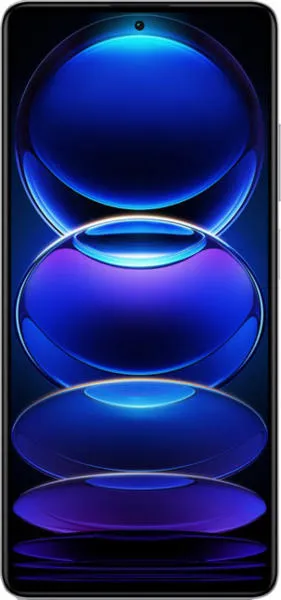

Xiaomi Redmi Note 12 Pro+ vs. Google Pixel 8 Pro: A Deep Dive
Let's dissect the Xiaomi Redmi Note 12 Pro+ and the Google Pixel 8 Pro, two compelling smartphones vying for your attention. I'll break down their specs, analyze their real-world performance, and guide you toward the device that best fits your needs.
1. Specifications Breakdown
| Feature | Xiaomi Redmi Note 12 Pro+ | Google Pixel 8 Pro | Real-World Implications |
|---|---|---|---|
| Design | |||
| Dimensions (mm) | 162.9 x 76 x 8.9 | 162.6 x 76.5 x 8.8 | Pixel 8 Pro slightly smaller, negligible difference in hand. |
| Weight (g) | 208.4 | 213 | Both feel substantial; Pixel slightly heavier due to denser materials. |
| Build Material | Glass front/back, plastic frame | Aluminum frame, glass back | Pixel's aluminum frame may offer better durability. |
| Display | |||
| Display Type | OLED | LTPO OLED | Pixel's LTPO allows for variable refresh rate (1-120Hz), saving battery. |
| Size (inches) | 6.67 | 6.7 | Negligible size difference. |
| Resolution (px) | 1080 x 2400 | 1344 x 2992 | Pixel boasts significantly sharper visuals due to higher resolution and pixel density. |
| Refresh Rate (Hz) | 120 | 120 | Both offer smooth scrolling and animations. |
| Peak Brightness (nits) | 900 | 2400 | Pixel's display far brighter, crucial for outdoor visibility. |
| Performance | |||
| Chipset | Dimensity 1080 (6nm) | Tensor G3 (4nm) | Pixel's Tensor G3 offers superior performance and AI capabilities. |
| CPU | Octa-core | Nona-core | Pixel's more advanced CPU architecture delivers faster processing. |
| GPU | Mali-G68 MC4 | Immortalis-G715s MC10 | Pixel's GPU provides a significant boost in graphics performance for gaming. |
| RAM (GB) | 8 | 12 | Pixel's larger RAM enables smoother multitasking and app switching. |
| Camera | |||
| Main Camera (MP) | 200 | 50 | Redmi boasts higher megapixel count, Pixel utilizes larger sensor for better low light. |
| Ultrawide (MP) | 8 | 48 + Macro | Pixel's ultrawide doubles as a macro lens, offering greater versatility. |
| Telephoto (MP) | N/A | 48 | Pixel offers optical zoom, Redmi relies on digital zoom. |
| DXOMARK Score | 113 | 153 | Pixel significantly outperforms Redmi in overall image quality. |
| Battery Life | |||
| Capacity (mAh) | 5000 | 5050 | Negligible difference in battery capacity. |
| Charging | 120W Fast Charging | TBD | Redmi offers incredibly fast charging; Pixel charging speeds not yet detailed |
2. Key Insights
- Display: The Pixel 8 Pro's LTPO OLED display with a higher resolution and peak brightness steals the show. Its adaptive refresh rate enhances battery life, while the vibrant colors and sharpness provide a superior viewing experience.
- Performance: The Tensor G3 chip gives the Pixel 8 Pro a substantial edge in processing power, AI capabilities, and graphics rendering. This translates to smoother performance, faster app loading, and enhanced gaming capabilities.
- Camera: While the Redmi boasts a 200MP main sensor, the Pixel 8 Pro leverages Google's computational photography prowess and superior sensor technology to deliver exceptional image quality, especially in challenging lighting conditions. Its dedicated telephoto lens also provides true optical zoom, missing on the Redmi.
- Battery Life: Battery capacities are nearly identical. However, the Pixel's LTPO display could lead to better overall battery efficiency. Redmi's significantly faster charging is a major advantage for users who prioritize quick top-ups.
3. User Profiles and Recommendations
- Redmi Note 12 Pro+: Best suited for budget-conscious users who prioritize fast charging and a good display. It's a capable device for everyday tasks, social media, and casual gaming.
- Pixel 8 Pro: Ideal for users who demand top-tier performance, the best camera experience, and a premium display. It excels in demanding tasks, mobile photography, and content creation.
4. Buying Decision Framework
- What's your budget? The Redmi Note 12 Pro+ is significantly more affordable.
- Is the best camera experience a priority? If so, the Pixel 8 Pro is the clear winner.
- How important is raw processing power and future-proofing? The Pixel's Tensor G3 offers significant performance advantages and longer software support.
My Choice: Google Pixel 8 Pro
While the Redmi Note 12 Pro+ offers impressive value, I would choose the Google Pixel 8 Pro. The superior display, significantly faster performance driven by the Tensor G3, class-leading camera system, and the promise of extended software updates make it a more compelling long-term investment. While I appreciate the Redmi's incredibly fast charging, the overall refined experience and future-proof nature of the Pixel 8 Pro align better with my priorities. The Pixel's advantage in computational photography, AI capabilities, and overall performance justifies the price premium for me.
