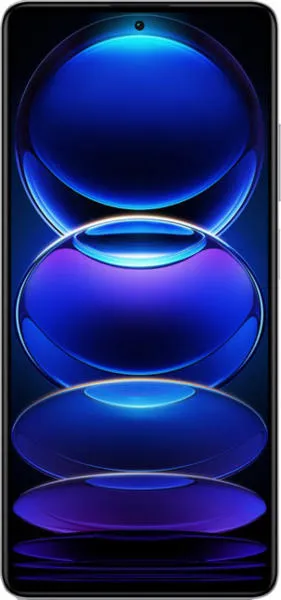

Xiaomi Redmi Note 12 Pro+ vs. Google Pixel 8: A Deep Dive
Let's dissect the Xiaomi Redmi Note 12 Pro+ and the Google Pixel 8, moving beyond the spec sheet to uncover what these phones offer in the real world.
1. Specifications Breakdown
| Feature | Xiaomi Redmi Note 12 Pro+ | Google Pixel 8 | Real-World Implications |
|---|---|---|---|
| Design | |||
| Dimensions (mm) | 162.9 x 76 x 8.9 | 150.5 x 70.8 x 8.9 | Pixel 8 is noticeably smaller and potentially more comfortable for one-handed use. |
| Weight (g) | 208.4 | 187 | Pixel 8 is lighter, reducing hand fatigue during extended use. |
| Build Materials | Glass front/back, plastic frame | Aluminum frame, glass back | Pixel 8's aluminum frame generally offers better durability and a more premium feel. |
| Display | |||
| Size (inches) | 6.67 | 6.2 | Redmi's larger display provides more immersive content consumption but impacts one-handed usability. |
| Resolution | 1080 x 2400 | 1080 x 2400 | Both offer sharp visuals, but the Pixel 8's smaller size results in a slightly higher pixel density. |
| Refresh Rate (Hz) | 120 | 120 | Both offer smooth scrolling and animations. |
| Peak Brightness | 900 nits | 2000 nits (peak) | Pixel 8's significantly higher peak brightness ensures exceptional outdoor visibility. |
| Display Type | OLED | OLED | Both offer vibrant colors and deep blacks. |
| Performance | |||
| Chipset | Mediatek Dimensity 1080 | Google Tensor G3 | Tensor G3 boasts superior AI processing and overall performance compared to the Dimensity 1080. |
| CPU | Octa-core (2x2.6 GHz A78 & 6x2.0 GHz A55) | Nona-core (1x3.0 GHz X3 & 4x2.45 GHz A715 & 4x2.15 GHz A510) | Pixel 8's more modern CPU architecture delivers significantly faster processing speeds. |
| RAM (GB) | 8 | 8 | Both offer ample RAM for multitasking. |
| OS | Android 12 (up to 14) | Android 14 (up to 21) | Pixel 8 benefits from longer software support and the latest Android features. |
| Camera | |||
| Main Sensor (MP) | 200 | 50 | Redmi boasts higher resolution, but Pixel's computational photography often delivers superior image quality. |
| DxOMark Score | 113 | 148 | Pixel 8 scores significantly higher in DxOMark tests, indicating better overall camera performance. |
| Video Recording | Up to 4K@30fps | Up to 4K@60fps | Pixel 8 offers higher resolution and frame rate video recording capabilities. |
| Battery Life | |||
| Capacity (mAh) | 5000 | 4575 | Redmi has a slightly larger battery, but real-world battery life depends on optimization. |
| Charging | 120W Fast Charging | 30W Wired, 23W Wireless | Redmi offers significantly faster wired charging. Pixel offers convenient Wireless charging |
2. Key Insights
- Performance: The Pixel 8, powered by the Tensor G3, significantly outperforms the Redmi Note 12 Pro+ in processing power and AI capabilities. This translates to smoother multitasking, faster app launches, and enhanced features like real-time language translation.
- Camera: While the Redmi boasts a 200MP sensor, the Pixel 8 leverages Google's advanced computational photography to produce consistently excellent images, especially in challenging lighting conditions. Its DxOMark score reflects this superiority.
- Software and Updates: The Pixel 8 offers a pure Android experience with guaranteed updates for several years, ensuring you have the latest features and security patches. The Redmi's update cycle is less certain.
- Display: The Pixel 8's brighter display makes it easier to use outdoors. While smaller, the higher pixel density results in crisper text and images.
- Size and Build: The Pixel 8 feels more premium due to its aluminum frame and lighter weight. Its smaller size will appeal to those who prefer one-handed operation.
3. User Profiles and Recommendations
- Redmi Note 12 Pro+: Best for budget-conscious users who prioritize a large display, fast charging, and good overall performance. Suitable for media consumption, gaming, and everyday tasks.
- Pixel 8: Ideal for users who value a premium experience, exceptional camera performance, guaranteed software updates, and a compact form factor. Perfect for photography enthusiasts, those heavily reliant on Google services, and anyone seeking a smooth, long-lasting Android experience.
4. Buying Decision Framework
- What is your budget? The Redmi Note 12 Pro+ is significantly more affordable.
- What are your photography needs? If camera quality is paramount, the Pixel 8 is the clear winner.
- How important are software updates and long-term support? The Pixel 8's guaranteed updates offer peace of mind and access to the latest Android features.
My Choice: Google Pixel 8
While the Redmi Note 12 Pro+ offers impressive value, I would choose the Google Pixel 8. The superior performance, exceptional camera, guaranteed software updates, and more premium build quality outweigh the price difference for me. The Tensor G3's AI capabilities further enhance the user experience in ways that the Redmi cannot match. As someone who values a smooth, reliable, and future-proof device, the Pixel 8 aligns perfectly with my needs. The compact form factor is also a plus for me. While the Redmi's faster charging is tempting, the overall package offered by the Pixel 8 is more compelling.
