
Xiaomi Redmi Note 12 Pro+ vs. Asus Zenfone 10: A Deep Dive
Let's dissect the Xiaomi Redmi Note 12 Pro+ and the Asus Zenfone 10, peeling back the spec sheets to reveal what truly matters for everyday users.
1. Specifications Breakdown
| Feature | Xiaomi Redmi Note 12 Pro+ | Asus Zenfone 10 | Real-World Implications | |||||
|---|---|---|---|---|---|---|---|---|
| Design | ||||||||
| Dimensions (mm) | 162.9 x 76 x 8.9 | 146.5 x 68.1 x 9.4 | Zenfone 10 significantly more compact, pocketable, one-hand use | |||||
| Weight (g) | 208.4 | 172 | Zenfone 10 noticeably lighter | |||||
| Display | ||||||||
| Size (inches) | 6.67 | 5.92 | Redmi Note 12 Pro+ larger for media consumption, Zenfone 10 for portability | |||||
| Resolution | 1080 x 2400 | 1080 x 2400 | Both sharp; Zenfone 10 slightly higher PPI due to smaller size | |||||
| Refresh Rate (Hz) | 120 | 144 | Zenfone 10 smoother animations, potentially better for gaming | |||||
| Display Type | OLED | AMOLED | Both offer vibrant colors and deep blacks | |||||
| Peak Brightness | 900 nits | 1100 nits | Zenfone 10 brighter outdoors | Performance | ||||
| Chipset | Mediatek Dimensity 1080 | Snapdragon 8 Gen 2 | Zenfone 10 significantly faster CPU and GPU | |||||
| CPU | Octa-core (2x2.6 GHz A78 & 6x2.0 GHz A55) | Octa-core (1x3.2 GHz X3 & 2x2.8 GHz A715 & 2x2.8 GHz A710 & 3x2.0 GHz A510) | Zenfone 10 much more powerful for demanding tasks and gaming | |||||
| RAM | 8GB | 8/16GB | Zenfone 10 offers a 16GB option for extreme multitasking | |||||
| Camera | ||||||||
| Main Camera | 200MP (Samsung HPX) | 50MP (Sony IMX766) | Redmi Note 12 Pro+ higher megapixel count, Zenfone 10 larger sensor | |||||
| OIS | Yes | Yes | Both offer stabilized video recording | |||||
| Video | 4K@30fps | 8K@24fps | Zenfone 10 capable of higher resolution video | Battery Life | ||||
| Capacity (mAh) | 5000 | 4300 | Redmi Note 12 Pro+ larger battery, potentially longer life |
2. Key Insights
The Redmi Note 12 Pro+ boasts a larger display and battery, making it ideal for media consumption and extended use. Its 200MP camera sensor might seem impressive, but real-world image quality depends on factors beyond megapixels.
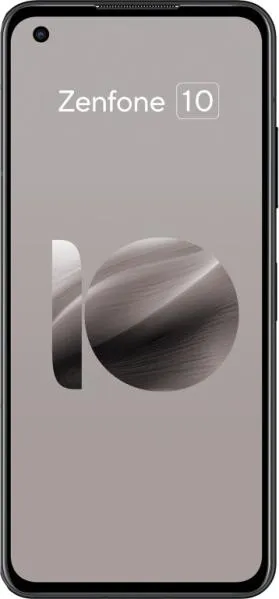
The Zenfone 10, despite its smaller size, packs a significantly more powerful Snapdragon 8 Gen 2 processor, resulting in a noticeably smoother and faster user experience, especially for demanding tasks and gaming. Its camera system, while lower in megapixels, utilizes a larger sensor (Sony IMX766), often preferred for better low-light performance and overall image quality. The Zenfone 10 also stands out with its incredibly compact form factor, making it a rare gem for those prioritizing one-handed usability.
3. User Profiles and Recommendations
Redmi Note 12 Pro+: Best suited for users prioritizing battery life, a large display for media consumption, and a more budget-conscious approach. Excellent for casual gaming, social media, and everyday tasks.
Zenfone 10: Ideal for power users who demand top-tier performance, a smooth and responsive experience, and value a compact, pocketable phone. Perfect for demanding mobile gaming, multitasking, and content creation.
4. Buying Decision Framework
1. What is your budget? The Redmi Note 12 Pro+ is generally more affordable.
2. What size phone do you prefer? The Redmi Note 12 Pro+ is larger; the Zenfone 10 is significantly more compact.
3. What are your performance needs? The Zenfone 10 offers flagship-level performance; the Redmi Note 12 Pro+ is sufficient for everyday tasks.
My Choice: Asus Zenfone 10
While the Redmi Note 12 Pro+ offers a compelling package for its price, I would choose the Asus Zenfone 10. As a tech enthusiast who values a smooth and responsive experience, the Snapdragon 8 Gen 2 is a major draw. The compact size, premium build quality, and excellent camera system further solidify my preference. While the battery is smaller, the efficiency gains of the Snapdragon 8 Gen 2 should mitigate this to some extent. The Zenfone 10, in my opinion, offers a more future-proof and enjoyable user experience in a truly pocketable form factor – a rare combination in today's market.
