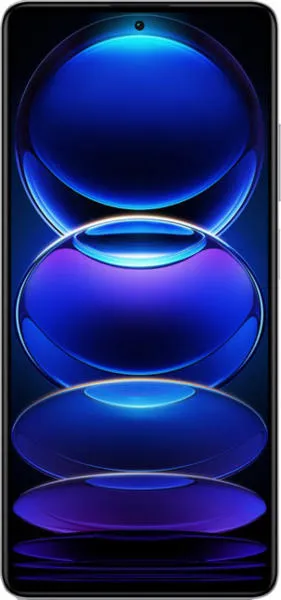
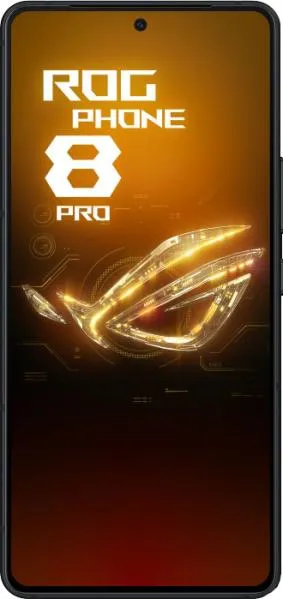
Xiaomi Redmi Note 12 Pro+ vs. Asus ROG Phone 8 Pro: A Deep Dive
Let's dissect the Xiaomi Redmi Note 12 Pro+ and the Asus ROG Phone 8 Pro, two compelling smartphones catering to different needs. My analysis will cut through the marketing jargon and focus on what truly matters: how these devices perform in the real world.
1. Specifications Breakdown
| Feature | Xiaomi Redmi Note 12 Pro+ | Asus ROG Phone 8 Pro | Real-World Implications |
|---|---|---|---|
| Design | |||
| Dimensions | 162.9 x 76 x 8.9 mm | 173 x 77 x 10.3 mm | ROG Phone 8 Pro is larger and heavier, impacting one-hand usability. |
| Weight | 208.4 g | 249 g | Noticeable difference in weight; Redmi is more pocketable. |
| Display | |||
| Size | 6.67" | 6.78" | Negligible difference in screen real estate. |
| Type | OLED | AMOLED (LTPO) | Both offer vibrant colors and deep blacks. LTPO on ROG Phone allows for dynamic refresh rate for battery saving. |
| Refresh Rate | 120Hz | 165Hz | Smoother scrolling and animations on the ROG Phone, especially noticeable in gaming. |
| Peak Brightness | 900 nits | 2500 nits | ROG Phone boasts significantly higher brightness, crucial for outdoor visibility. |
| Performance | |||
| Chipset | Dimensity 1080 (6nm) | Snapdragon 8 Gen 3 (4nm) | ROG Phone packs a substantially more powerful processor and GPU, delivering superior performance. |
| CPU | Octa-core (2x2.6 GHz A78 & 6x2.0 GHz A55) | Octa-core (1x3.3 GHz X4 & 3x3.2 GHz A720 & 2x3.0 GHz A720 & 2x2.3 GHz A520) | Significantly faster processing speeds on the ROG Phone, enabling seamless multitasking and demanding gaming. |
| RAM | 8GB/12GB | 16GB/24GB | More RAM on the ROG Phone allows for effortless multitasking and keeps apps running in the background. |
| Camera | |||
| Main Sensor | 200MP (Samsung HPX) | 50MP (Sony IMX890) | Megapixels aren't everything. While the Redmi boasts higher resolution, the Sony sensor on the ROG Phone generally produces superior image quality in various lighting conditions. |
| Video | 4K@30fps | 8K@24fps | ROG Phone offers higher resolution video recording capabilities. |
| Battery Life | |||
| Capacity | 5000 mAh | 6000 mAh with dual-cell design | Larger battery in the ROG Phone suggests longer usage time, compounded by the LTPO display. |
2. Key Insights
The Redmi Note 12 Pro+ positions itself as a well-rounded mid-range contender. Its strength lies in its impressive 200MP camera and a vibrant display. However, its processor, while capable for everyday tasks, might struggle with demanding applications and high-end gaming.
The ROG Phone 8 Pro, on the other hand, is a beast built for performance. Its cutting-edge Snapdragon 8 Gen 3 chip, coupled with an abundance of RAM and a high refresh rate display, guarantees a buttery smooth experience even with the most resource-intensive tasks. The advanced cooling system further enhances sustained performance during extended gaming sessions. While the camera isn't its primary focus, the 50MP Sony IMX890 sensor is known for its excellent image quality.
3. User Profiles and Recommendations
Redmi Note 12 Pro+: Ideal for users prioritizing a great camera experience, casual gaming, and all-around solid performance on a budget. Photography enthusiasts and social media content creators will appreciate the high-resolution sensor.
ROG Phone 8 Pro: Perfect for hardcore mobile gamers, power users, and anyone who demands top-tier performance. The superior processing power, high refresh rate display, and advanced cooling make it a mobile gaming powerhouse.
4. Buying Decision Framework
- What is your budget? The Redmi Note 12 Pro+ is significantly more affordable.
- What are your primary use cases? Gaming and heavy multitasking favor the ROG Phone 8 Pro; casual use and photography lean towards the Redmi.
- How important is battery life? The ROG Phone 8 Pro likely offers better longevity due to its larger battery and LTPO display.
My Choice: As a tech journalist who often pushes devices to their limits, I'd opt for the ROG Phone 8 Pro. While the Redmi Note 12 Pro+ is a compelling device for its price, the sheer performance and future-proofing offered by the ROG Phone 8 Pro are irresistible. The Snapdragon 8 Gen 3, coupled with the ample RAM and high refresh rate display, ensures a premium user experience that will remain relevant for longer. The ability to seamlessly handle demanding tasks, multitask effortlessly, and enjoy the latest mobile games at their highest settings is crucial for my workflow. While I appreciate the Redmi's camera, the overall package of the ROG Phone 8 Pro aligns better with my needs.
