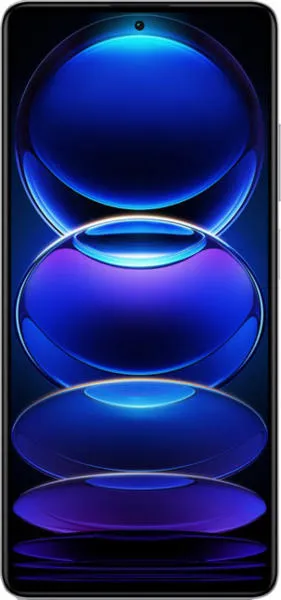
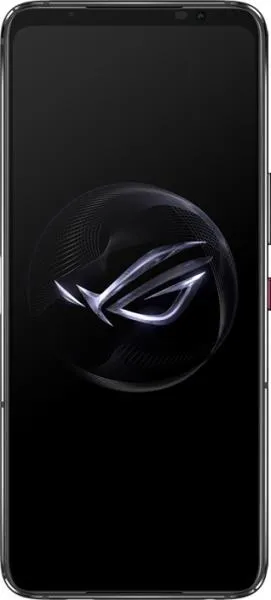
Xiaomi Redmi Note 12 Pro+ vs. Asus ROG Phone 7: A Deep Dive
Let's dissect the Xiaomi Redmi Note 12 Pro+ and the Asus ROG Phone 7, two compelling smartphones catering to different needs. We'll go beyond the spec sheet to understand what these numbers mean for you.
1. Specifications Breakdown
| Feature | Xiaomi Redmi Note 12 Pro+ | Asus ROG Phone 7 | Real-World Implications |
|---|---|---|---|
| Design | |||
| Dimensions (mm) | 162.9 x 76 x 8.9 | 173 x 77 x 10.3 | ROG Phone 7 is larger and heavier, impacting one-handed use. |
| Weight (g) | 208.4 | 239 | Noticeable difference in weight; Redmi is more pocketable. |
| Display | |||
| Size (inches) | 6.67 | 6.78 | Negligible difference in screen real estate. |
| Resolution | 1080 x 2400 | 1080 x 2448 | Virtually identical sharpness. |
| Refresh Rate (Hz) | 120 | 165 | ROG Phone 7 offers smoother scrolling and animations, especially noticeable in gaming. |
| Display Type | OLED | AMOLED | Both offer vibrant colors and deep blacks; ROG Phone 7 boasts higher peak brightness (1500 nits). |
| Performance | |||
| Chipset | Mediatek Dimensity 1080 | Snapdragon 8 Gen 2 | ROG Phone 7 significantly outperforms in CPU and GPU intensive tasks like gaming and video editing. |
| CPU | Octa-core (2.6 GHz) | Octa-core (3.2 GHz) | ROG Phone 7's Cortex-X3 core offers a substantial speed advantage. |
| RAM (GB) | 8/12 | 12/16 | More RAM on ROG Phone 7 enables better multitasking and smoother performance with demanding apps. |
| Camera | |||
| Main Camera (MP) | 200 | 50 | Redmi boasts higher megapixel count, but ROG Phone 7 utilizes a larger sensor (Sony IMX766). |
| Video Recording | 4K@30fps | 8K@24fps | ROG Phone 7 offers higher resolution video recording capabilities. |
| Battery Life | |||
| Capacity (mAh) | 5000 | 6000 | ROG Phone 7 has a larger battery, potentially translating to longer usage time. |
2. Key Insights
The Redmi Note 12 Pro+ shines in its value proposition. It offers a solid OLED display with a 120Hz refresh rate, a capable MediaTek processor, and an impressive 200MP main camera, all at a mid-range price. The high megapixel count might attract photography enthusiasts, but real-world image quality depends on factors beyond resolution, such as sensor size and processing.
The ROG Phone 7, on the other hand, is a performance beast. Powered by the latest Snapdragon 8 Gen 2 and boasting a 165Hz AMOLED display, it's geared towards demanding users, particularly mobile gamers. The enhanced cooling system and gaming-centric features further solidify its position as a premium gaming phone. While its 50MP main camera might seem less impressive on paper, the larger Sony IMX766 sensor likely delivers superior image quality in various conditions.
3. User Profiles and Recommendations
Redmi Note 12 Pro+: Ideal for budget-conscious users who prioritize a good display, all-around performance, and a high-resolution camera for social media. It's a great option for everyday tasks, media consumption, and casual gaming.
ROG Phone 7: Designed for power users and mobile gaming enthusiasts who demand top-tier performance, a super smooth display, and longer battery life. Content creators who edit videos on their phones will also appreciate the raw power.
4. Buying Decision Framework
Questions to Consider:
- What's your budget? The Redmi Note 12 Pro+ offers excellent value in the mid-range segment, while the ROG Phone 7 commands a premium price.
- What are your primary use cases? For everyday tasks and casual gaming, the Redmi is sufficient. For demanding gaming, content creation, and heavy multitasking, the ROG Phone 7 is the clear winner.
- How important is battery life? The ROG Phone 7's larger battery capacity provides an edge in longevity.
Scenario-Based Recommendations:
- Student on a Budget: Redmi Note 12 Pro+
- Hardcore Mobile Gamer: ROG Phone 7
- Content Creator: ROG Phone 7
- Casual User: Redmi Note 12 Pro+
My Choice: Asus ROG Phone 7
While the Redmi Note 12 Pro+ offers impressive value, I would choose the Asus ROG Phone 7. As a tech journalist focused on the interplay of hardware and user experience, I value raw performance and a fluid user interface. The Snapdragon 8 Gen 2, coupled with the 165Hz display, promises a buttery smooth experience that is crucial for both gaming and productivity. The superior thermal management also ensures sustained performance during extended use. While the price is higher, the significant performance gains, future-proofing thanks to the cutting-edge chipset, and overall enhanced user experience justify the investment for my needs. I appreciate having headroom for demanding tasks and knowing that the phone can handle anything I throw at it.
