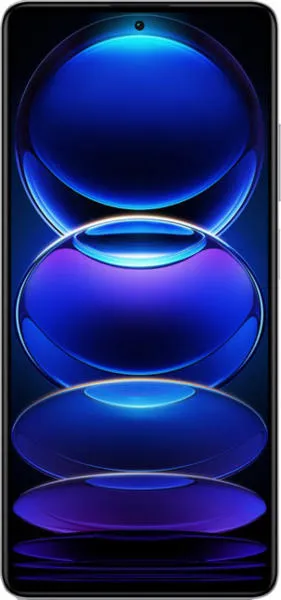
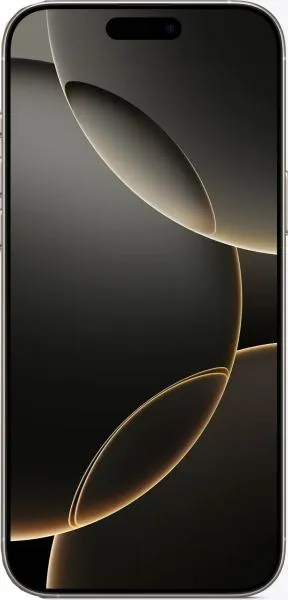
Xiaomi Redmi Note 12 Pro+ vs. Apple iPhone 16 Pro Max: A Deep Dive
Let's dissect the Xiaomi Redmi Note 12 Pro+ and the Apple iPhone 16 Pro Max, going beyond the spec sheet to understand what these devices offer in the real world.
1. Specifications Breakdown
| Feature | Xiaomi Redmi Note 12 Pro+ | Apple iPhone 16 Pro Max | Real-World Implications |
|---|---|---|---|
| Design | |||
| Dimensions (mm) | 162.9 x 76 x 8.9 | 163 x 77.6 x 8.3 | iPhone 16 Pro Max slightly larger, but thinner. Negligible difference in hand feel. |
| Weight (g) | 208.4 | 227 | Redmi noticeably lighter; prolonged use might be more comfortable. |
| Build Materials | Glass front/back, plastic frame | Glass front/back, stainless steel frame | iPhone's stainless steel more premium and durable. Redmi potentially more susceptible to scratches. |
| Display | |||
| Size (inches) | 6.67 | 6.9 | iPhone boasts a larger screen for more immersive content consumption. |
| Resolution (px) | 1080 x 2400 | 1320 x 2868 | iPhone with sharper visuals due to higher pixel density (460 ppi vs 395 ppi). |
| Panel Type | OLED | LTPO Super Retina XDR OLED | Both offer vibrant colors and deep blacks. iPhone's LTPO allows for dynamic refresh rate, saving battery. |
| Refresh Rate (Hz) | 120 | 120 | Both offer smooth scrolling and animations. |
| Peak Brightness(nits) | 900 | 2000 | iPhone significantly brighter outdoors. |
| Performance | |||
| Chipset | Mediatek Dimensity 1080 | Apple A18 Pro | A18 Pro significantly faster and more power-efficient. Expect smoother multitasking and gaming on iPhone. |
| CPU | Octa-core (2x2.6 GHz A78 & 6x2.0 GHz A55) | Hexa-core (2x4.05 GHz + 4x2.42 GHz) | A18 Pro's architecture and higher clock speeds deliver superior performance. |
| GPU | Mali-G68 MC4 | Apple GPU (6-core) | Apple's custom GPU optimized for iOS, resulting in better graphics performance. |
| RAM (GB) | 8 | 8 | Comparable RAM; real-world multitasking performance will depend heavily on OS and software optimization. |
| Camera | |||
| Main Camera (MP) | 200 MP | 48 MP | Redmi boasts higher megapixel count, but iPhone likely to produce better overall image quality due to superior processing. |
| Video Recording | 4K@30fps | 4K@120fps with HDR, Dolby Vision | iPhone offers higher resolution and frame rate video recording with advanced features. |
| Battery Life | |||
| Capacity (mAh) | 5000 | 4685 | Redmi with larger battery capacity; however, actual battery life depends on usage and optimization. |
2. Key Insights
- Performance: The iPhone 16 Pro Max, powered by the A18 Pro chip, will significantly outperform the Redmi Note 12 Pro+ in processing power, graphics rendering, and overall system responsiveness. This translates to a smoother, lag-free experience, especially in demanding tasks like gaming and video editing.
- Display: While both phones offer excellent displays, the iPhone's LTPO panel allows for a dynamic refresh rate, optimizing battery life. The iPhone also boasts a much higher peak brightness, making it far more usable in direct sunlight.
- Camera: The Redmi Note 12 Pro+ flaunts a 200MP main sensor, but megapixels aren't everything. Apple's computational photography prowess and the iPhone's superior image processing pipeline will likely deliver better image quality, dynamic range, and low-light performance. The iPhone also offers significantly better video recording capabilities.
- Software & Ecosystem: iOS is known for its seamless integration, app optimization, and longer software update support compared to Android. This is a crucial factor for long-term usability and security.
- Price: The Redmi Note 12 Pro+ falls in the mid-price range, while the iPhone 16 Pro Max is a premium flagship device. This considerable price difference reflects the disparity in performance, features, and build quality.
3. User Profiles and Recommendations
- Redmi Note 12 Pro+: Best suited for budget-conscious users who prioritize a large battery, a decent display, and good connectivity. It's a solid choice for everyday tasks like browsing, social media, and casual photography.
- iPhone 16 Pro Max: Ideal for power users, content creators, and mobile gamers who demand top-tier performance, a stunning display, a best-in-class camera system, and seamless software integration. It's an investment in a premium mobile experience.
4. Buying Decision Framework
- What's your budget? If price is a primary concern, the Redmi Note 12 Pro+ offers excellent value. If you're willing to invest in a premium experience, the iPhone 16 Pro Max is the clear winner.
- What are your primary use cases? For everyday tasks, the Redmi is more than sufficient. For demanding applications, gaming, and content creation, the iPhone's superior performance is essential.
- How important is software and ecosystem? If you value long-term software updates, app optimization, and a seamless user experience, iOS on the iPhone offers a significant advantage.
My Choice: Apple iPhone 16 Pro Max
While the Redmi Note 12 Pro+ offers impressive specifications for its price, I would choose the iPhone 16 Pro Max.
My decision hinges on the following:
- Long-term value: The A18 Pro chip's performance headroom ensures the phone remains smooth and responsive for years to come. Coupled with Apple's commitment to software updates, the iPhone 16 Pro Max offers a longer usable lifespan.
- Ecosystem integration: I'm invested in the Apple ecosystem, and the seamless integration between devices is a major factor.
- Camera performance: As someone who frequently captures photos and videos, the iPhone's superior camera system and video recording capabilities are crucial. The combination of hardware and software processing consistently delivers outstanding results.
- Overall user experience: iOS, combined with the iPhone's powerful hardware, offers a refined and polished user experience that I prioritize over sheer specifications. The brighter display, premium build quality, and smoother performance are worth the premium price for me.
While the price difference is significant, the iPhone 16 Pro Max represents a better long-term investment in terms of performance, usability, and overall user experience. It's a device built to last and consistently deliver a premium mobile experience.
