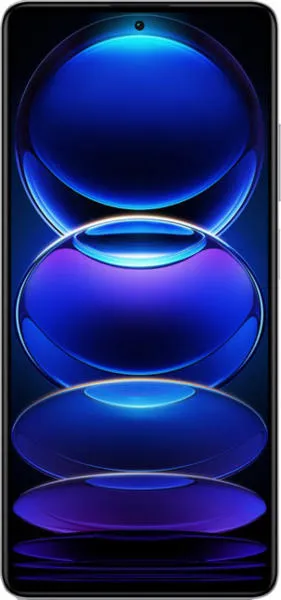
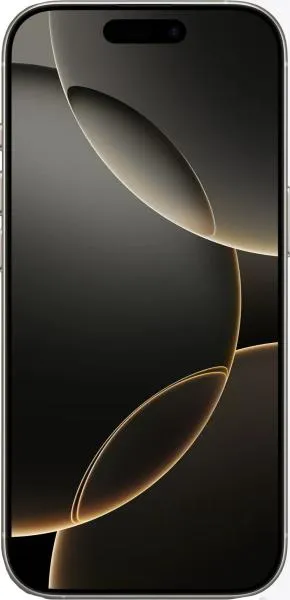
Let's dive into a comparative analysis of the Xiaomi Redmi Note 12 Pro+ and the Apple iPhone 16 Pro.
1. Specifications Breakdown
| Feature | Xiaomi Redmi Note 12 Pro+ | Apple iPhone 16 Pro | Real-World Implications |
|---|---|---|---|
| Design | |||
| Dimensions (mm) | 162.9 x 76 x 8.9 | 149.6 x 71.5 x 8.3 | iPhone 16 Pro is noticeably smaller and more pocketable. |
| Weight (g) | 208.4 | 199 | Redmi Note 12 Pro+ feels slightly heavier in hand. |
| Build Material | Glass front/back, plastic frame | Glass front/back, stainless steel frame | iPhone's stainless steel frame offers better durability and premium feel. |
| Display | |||
| Size (inches) | 6.67 | 6.3 | Redmi offers a larger screen for more immersive media consumption. |
| Resolution (px) | 1080 x 2400 | 1206 x 2622 | iPhone boasts a sharper display with higher pixel density (460 ppi vs 395 ppi). |
| Type | OLED | OLED (LTPO) | Both offer vibrant colors and deep blacks; iPhone's LTPO enables dynamic refresh rate for better power efficiency. |
| Refresh Rate (Hz) | 120 | 120 | Both offer smooth scrolling and animations. |
| Peak Brightness(nits) | 900 | 2000 | iPhone 16 Pro's display is significantly brighter, crucial for outdoor visibility. |
| Performance | |||
| Chipset | Mediatek Dimensity 1080 | Apple A18 Pro | A18 Pro offers significantly faster CPU and GPU performance. Expect smoother multitasking, gaming, and demanding applications on the iPhone. |
| CPU | Octa-core | Hexa-core | While core count differs, A18's architecture and manufacturing process (3nm vs 6nm) result in superior performance. |
| RAM (GB) | 8 | 8 | RAM capacity is equal, but iOS's memory management often results in efficient performance even with seemingly less RAM. |
| Camera | |||
| Main Camera (MP) | 200 | 48 | While Redmi boasts higher megapixels, iPhone's larger sensor and advanced image processing generally produce superior image quality. |
| Video Recording | 4K@30fps | 4K@120fps | iPhone offers higher resolution and frame rate video recording capabilities. |
| Battery Life | |||
| Capacity (mAh) | 5000 | 3582 | Redmi has a significantly larger battery capacity, potentially translating to longer usage time. |
| Charging | 120W Fast Charging | Fast Charging | Redmi supports significantly faster charging out of the box. |
2. Key Insights
- Performance: The iPhone 16 Pro, powered by the A18 Pro chip, significantly outperforms the Redmi Note 12 Pro+ in processing power and graphics capabilities. This translates to a smoother, more responsive user experience, especially noticeable in demanding tasks like gaming and video editing.
- Display: While both phones feature OLED displays with 120Hz refresh rates, the iPhone 16 Pro's LTPO panel allows for dynamic refresh rate adjustment, conserving battery life. The iPhone also boasts a much brighter display, making it easier to use outdoors.
- Camera: The Redmi Note 12 Pro+ boasts a 200MP main sensor, but megapixel count doesn't tell the whole story. The iPhone 16 Pro's advanced image processing, larger sensor size, and superior video recording capabilities likely result in better overall image and video quality.
- Battery: The Redmi Note 12 Pro+ has a substantially larger battery. However, iOS's optimization often results in comparable or even better battery life despite smaller battery capacities. Real-world usage will vary. Redmi also has a significantly faster charging speed.
3. User Profiles and Recommendations
- Redmi Note 12 Pro+: Best suited for budget-conscious users who prioritize a large display, long battery life, and fast charging. Ideal for media consumption, casual gaming, and everyday tasks.
- iPhone 16 Pro: Best for users who demand top-tier performance, a premium user experience, and a best-in-class camera system. Ideal for power users, content creators, and those who value a polished and seamless mobile experience.
4. Buying Decision Framework
- What is your budget? The Redmi Note 12 Pro+ falls in the medium price range, while the iPhone 16 Pro is a high-end flagship device.
- What are your performance needs? For demanding tasks, the iPhone 16 Pro is the clear winner. For everyday use, the Redmi is more than capable.
- Which ecosystem do you prefer? Consider whether you're invested in the Android or iOS ecosystem, including app preferences and accessory compatibility.
My Choice: iPhone 16 Pro
While the Redmi Note 12 Pro+ offers impressive specifications for its price, I would choose the iPhone 16 Pro. The superior performance, brighter and more power-efficient display, refined camera system, and the seamless integration within the iOS ecosystem are compelling factors. The overall user experience, long-term software support, and build quality that Apple offers justify the higher price tag for me. Though the Redmi boasts a larger battery and significantly faster charging speed, Apple's optimization and the iPhone 16 Pro's improved battery efficiency make the difference less impactful in my usage scenarios. I prioritize a smooth, polished experience with consistent performance, which the iPhone historically delivers.
