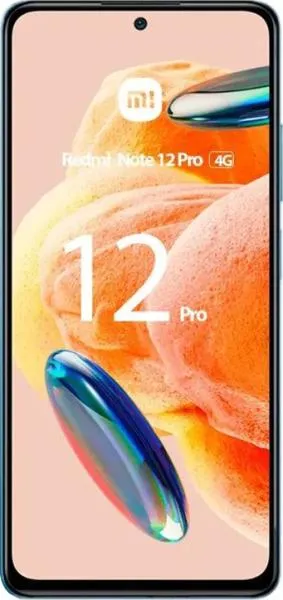

1. Specifications Comparison
| Feature | Xiaomi Redmi Note 12 Pro 4G | ZTE nubia Z60 Ultra | Practical Impact |
|---|---|---|---|
| Design | |||
| Dimensions (mm) | 164.2 x 76.1 x 8.1 | 164 x 76.4 x 8.8 | Z60 Ultra slightly wider and thicker. Negligible difference in daily use. |
| Weight (g) | 201.8 | 246 | Z60 Ultra noticeably heavier (44g). May impact one-handed use and comfort over time. |
| Display | |||
| Display Type | AMOLED, 120Hz | AMOLED, 120Hz, 1B colors | Both offer smooth scrolling and vibrant colors. Z60 Ultra's 1B colors offer smoother color gradients and potentially better HDR performance. |
| Peak Brightness (nits) | 1100 | 1500 | Z60 Ultra significantly brighter, improving outdoor visibility. |
| HDR Support | Dolby Vision | HDR10 | Both support HDR content, but different formats may limit compatibility with some streaming services. Dolby Vision generally considered superior for dynamic range. |
| Resolution | 1080 x 2400 | 1116 x 2480 | Very similar pixel density. Sharpness differences will be negligible. |
| Performance | |||
| Chipset | Snapdragon 732G (8nm) | Snapdragon 8 Gen 3 (4nm) | Z60 Ultra vastly more powerful. Expect significantly better performance in demanding tasks and gaming. |
| CPU | Octa-core (2x2.2 GHz Kryo 470 Gold & 6x1.8 GHz Kryo 470 Silver) | Octa-core (1x3.3 GHz Cortex-X4 & 3x3.2 GHz Cortex-A720 & 2x3.0 GHz Cortex-A720 & 2x2.3 GHz Cortex-A520) | Z60 Ultra's CPU offers much higher clock speeds and a more modern architecture, translating to significantly faster processing. |
| GPU | Adreno 618 | Adreno 750 | Z60 Ultra's GPU offers a substantial performance leap, enabling higher graphics settings and smoother gameplay in demanding games. |
| RAM | 8GB | 8GB/12GB/16GB/24GB (depending on version) | Z60 Ultra offers configurations with more RAM, improving multitasking and overall system responsiveness. |
| Camera | |||
| Main Camera | 108MP, f/1.9 | 54MP, f/1.6, Sony IMX800, OIS | While Redmi Note 12 Pro has higher megapixels, Z60 Ultra uses a larger sensor (Sony IMX800) with OIS, likely resulting in better low-light performance and sharper images overall. |
| Video Recording | 4K@30fps | 8K@30fps, OIS | Z60 Ultra capable of higher resolution video recording with optical image stabilization, resulting in smoother and more stable footage. |
| Battery | |||
| Capacity | 5000 mAh | 6000 mAh | Z60 Ultra has larger battery capacity, potentially offering longer battery life. Real-world usage will depend on individual usage patterns. |
| Charging Speed | Information missing | Information missing | Cannot compare charging speeds without specific data. |
2. Key Differences Analysis
ZTE nubia Z60 Ultra Advantages:
- Significantly more powerful: The Snapdragon 8 Gen 3 offers a substantial performance advantage for demanding tasks and gaming.
- Better camera system: Larger sensor with OIS on the main camera, higher resolution video recording capabilities (8K).
- Larger battery: Potentially longer battery life.
- Brighter display: Improved outdoor visibility.
- More RAM options: Configurations available with larger RAM, beneficial for heavy multitasking.
Xiaomi Redmi Note 12 Pro 4G Advantages:
- Potentially lower price: Given the "medium price" designation and older processor, this phone is likely more affordable.
3. User Profiles & Recommendations
ZTE nubia Z60 Ultra: Ideal for power users, gamers, and photography enthusiasts who demand top-tier performance and camera capabilities.
Xiaomi Redmi Note 12 Pro 4G: Suitable for budget-conscious users who prioritize basic smartphone functionality, social media, and casual gaming.
4. Decision Framework
Key Questions for Buyers:
- What is your budget? The Z60 Ultra is likely significantly more expensive.
- What are your primary smartphone uses? For demanding tasks, the Z60 Ultra is a clear winner. For basic use, the Redmi Note 12 Pro may suffice.
- How important is camera quality and performance to you? The Z60 Ultra offers a superior camera system.
My Choice: ZTE nubia Z60 Ultra
While the price is likely higher, the ZTE nubia Z60 Ultra offers a significant upgrade in performance, camera capabilities, and battery life. The Snapdragon 8 Gen 3, coupled with a superior camera system and brighter display, makes it a more future-proof device. For me, the benefits outweigh the potential price difference. The improved user experience in demanding tasks, gaming, and photography justifies the investment. The Redmi Note 12 Pro 4G is a solid budget option, but the Z60 Ultra provides a noticeable leap in overall quality and capabilities.
