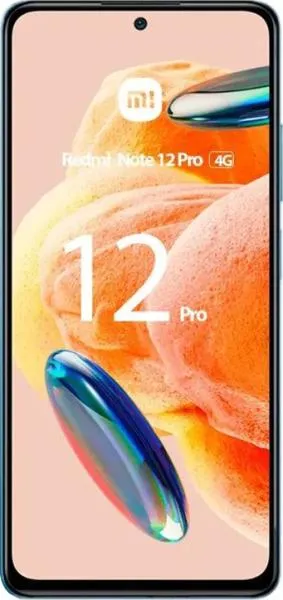

1. Specifications Comparison
| Feature | Xiaomi Redmi Note 12 Pro 4G | ZTE nubia Z50S Pro | Practical Impact |
|---|---|---|---|
| Design | |||
| Dimensions (mm) | 164.2 x 76.1 x 8.1 | 163.9 x 76.3 x 8.3 | Z50S Pro slightly shorter, wider, and thicker. Negligible difference in daily use. |
| Weight (g) | 201.8 | 228 | Z50S Pro noticeably heavier (26.2g). May impact one-handed use and pocket comfort. |
| Build | Not specified | Not specified | Build quality and materials unknown, limiting comparison. |
| Display | |||
| Size (inches) | 6.67 | 6.8 | Z50S Pro offers a slightly larger screen for more immersive content consumption. |
| Resolution | 1080 x 2400 | 1260 x 2800 | Z50S Pro has a higher resolution and sharper display (452 ppi vs 395 ppi). Noticeable in text clarity and image detail. |
| Type | AMOLED, 120Hz | AMOLED, 120Hz, 1B colors | Both offer smooth scrolling and vivid colors. Z50S Pro's 1B colors provide a wider color gamut for more accurate and vibrant visuals. |
| Peak Brightness | 1100 nits | 1200 nits | Z50S Pro slightly brighter, improving outdoor visibility. |
| Performance | |||
| Chipset | Snapdragon 732G (8 nm) | Snapdragon 8+ Gen 2 (4 nm) | Z50S Pro significantly more powerful. Expect much faster performance in demanding tasks and gaming. |
| CPU | Octa-core (2x2.2 GHz Kryo 470 Gold & 6x1.8 GHz Kryo 470 Silver) | Octa-core (1x3.36 GHz Cortex-X3 & 2x2.8 GHz Cortex-A715 & 2x2.8 GHz Cortex-A710 & 3x2.0 GHz Cortex-A510) | Z50S Pro has a much faster and more efficient CPU architecture. |
| GPU | Adreno 618 | Adreno 740 (719 MHz) | Z50S Pro boasts a significantly more powerful GPU for superior gaming and graphics rendering. |
| RAM | 8GB | 12GB | Z50S Pro has more RAM for better multitasking and app switching. |
| OS | Android 11 | Android 13 | Z50S Pro runs a newer Android version with potential for longer software support and newer features. |
| Camera | |||
| Main Camera | 108MP, f/1.9 | 54MP, f/1.6, OIS | Z50S Pro's main camera has a larger sensor size (1/1.49"), wider aperture, and Optical Image Stabilization (OIS) for potentially better low-light performance and sharper images despite lower resolution. |
| Video Recording | 4K@30fps | 8K@30fps | Z50S Pro offers higher resolution video recording. |
| Battery | |||
| Capacity | 5000 mAh | 5100 mAh | Z50S Pro has a slightly larger battery, but real-world battery life depends on usage and optimization. |
2. Key Differences Analysis
Xiaomi Redmi Note 12 Pro 4G Advantages:
- Potentially more affordable: Likely priced lower given the mid-range specifications.
ZTE nubia Z50S Pro Advantages:
- Significantly faster performance: Snapdragon 8+ Gen 2 offers a substantial performance advantage for demanding tasks and gaming.
- Better camera system: Larger sensor, wider aperture, and OIS on the main camera likely result in superior image quality, especially in low light.
- Sharper display: Higher resolution and pixel density deliver crisper visuals.
- Newer Android version: Android 13 potentially offers longer software support and newer features.
- Faster Charging: USB 3.1 allows for potentially faster charging and data transfer speeds compared to USB 2.0 on the Redmi Note 12 Pro.
3. User Profiles & Recommendations
Xiaomi Redmi Note 12 Pro 4G:
- Budget-conscious users: For those seeking a basic smartphone for everyday tasks like calling, texting, browsing, and social media.
- Light users: Individuals who don't play demanding games or require top-tier performance.
ZTE nubia Z50S Pro:
- Power users: For demanding tasks, gaming, and content creation.
- Photography enthusiasts: Individuals who prioritize camera quality and features.
- Tech-savvy users: Those who want the latest hardware and software.
4. Decision Framework
Key Questions for Buyers:
- What is your budget? The Redmi Note 12 Pro is likely more affordable.
- What are your primary smartphone usage patterns? For basic tasks, the Redmi Note 12 Pro may suffice. For demanding usage, the Z50S Pro is better suited.
- How important is camera quality? The Z50S Pro offers a potentially superior camera experience.
My Choice: ZTE nubia Z50S Pro
While I lack specific pricing information, the ZTE nubia Z50S Pro is the clear winner in terms of performance, camera capabilities, and overall future-proofing due to its newer hardware and software. The significantly faster processor, superior GPU, improved camera system with OIS, and sharper display outweigh the potential price difference and slightly heavier weight. The Snapdragon 8+ Gen 2 will provide a much smoother and more responsive experience for years to come. Even if the Z50S Pro is significantly more expensive, the substantial performance and feature upgrades justify the premium for most users except the extremely budget-conscious.
