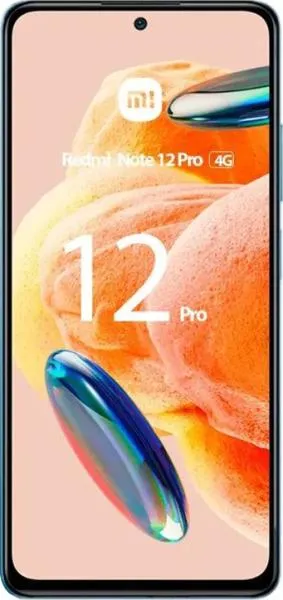
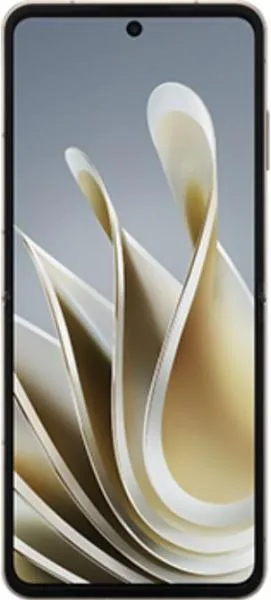
1. Specifications Comparison
| Feature | Xiaomi Redmi Note 12 Pro 4G | ZTE nubia Flip | Practical Impact |
|---|---|---|---|
| Design | |||
| Dimensions (mm) | 164.2 x 76.1 x 8.1 | 170 x 75.5 x 7 | Nubia Flip is taller and slightly narrower when unfolded, thinner when folded. Redmi is lighter. Nubia's foldability offers portability but potentially added fragility. |
| Weight (g) | 201.8 | 214 | Redmi is noticeably lighter for one-handed use. |
| Build | Not specified | Not specified | Build materials impact durability and premium feel; information lacking for both. |
| Display | |||
| Display Type | 6.67" AMOLED, 120Hz | 6.9" Foldable OLED, 120Hz | Nubia offers a larger screen for immersive content but with a crease. Redmi's traditional display is potentially more durable. |
| Resolution | 1080 x 2400 | 1188 x 2790 | Nubia has a higher resolution, resulting in sharper text and images, especially beneficial on a larger screen. |
| PPI | 395 | 439 | Nubia's higher PPI provides greater detail, noticeable on its larger display. |
| Dolby Vision | Yes | No | Redmi supports Dolby Vision for enhanced HDR video playback with compatible content, offering better contrast and colors. |
| Performance | |||
| Chipset | Snapdragon 732G (8nm) | Snapdragon 7 Gen 1 (4nm) | Nubia utilizes a significantly newer and more powerful processor built on a smaller process node, leading to much faster performance, better efficiency, and improved thermals. |
| CPU | Octa-core (2x2.2 GHz Kryo 470 Gold & 6x1.8 GHz Kryo 470 Silver) | Octa-core (1x2.4 GHz Cortex-A710 & 3x2.36 GHz Cortex-A710 & 4x1.8 GHz Cortex-A510) | Nubia has a more modern CPU architecture resulting in superior performance and efficiency. |
| GPU | Adreno 618 | Adreno 644 | Nubia has a more powerful GPU, enabling smoother gaming and faster graphics rendering. |
| RAM | 8GB | 8GB | Both have the same RAM, sufficient for multitasking but Nubia's superior processor will manage it better. |
| OS | Android 11 | Android 13 | Nubia runs a newer Android version with potentially more features, security updates, and optimizations. |
| Camera | |||
| Main Camera | 108MP | 50MP | Redmi boasts a higher resolution main sensor, potentially capturing more detail. However, sensor size and other factors also significantly impact image quality, and this information is missing for the Nubia. |
| Selfie Camera | 16MP | 16MP | Similar resolution selfie cameras; image quality will depend on sensor and software processing. |
| Video Capabilities | 4K@30fps, 1080p@30/60fps | Unspecified | Redmi's video capabilities are clearly defined; Nubia's lack of information makes comparison difficult. |
| Battery | |||
| Capacity | 5000 mAh | 4310 mAh | Redmi offers a larger battery, potentially lasting longer on a single charge. However, Nubia's more efficient processor might offset this difference. Foldable displays can also consume more power. |
2. Key Differences Analysis
Xiaomi Redmi Note 12 Pro 4G Advantages:
- Larger battery capacity: Potentially longer battery life.
- Dolby Vision support: Better HDR video playback quality.
- Higher resolution main camera: Potentially more detailed photos in good lighting.
- Lower price: Typically more affordable.
ZTE nubia Flip Advantages:
- Foldable design: Increased portability and a unique form factor.
- Significantly more powerful processor: Much faster performance in apps, games, and multitasking.
- Newer Android version: Access to newer features and longer software support.
- Higher resolution display: Sharper visuals and more immersive experience.
- 5G connectivity: Faster mobile data speeds where available.
Trade-offs:
- Foldable phones are generally more expensive and potentially less durable than traditional slab phones.
- The Redmi Note 12 Pro, while less powerful, offers a larger battery and a lower price point.
3. User Profiles & Recommendations
Xiaomi Redmi Note 12 Pro 4G: Suitable for budget-conscious users who prioritize battery life and multimedia consumption. Ideal for:
- Casual users: Social media, browsing, streaming.
- Students: Note-taking, media consumption, basic gaming.
- Users seeking long battery life.
ZTE nubia Flip: Suitable for users who value cutting-edge technology, portability, and a unique form factor. Ideal for:
- Tech enthusiasts: Early adopters who want the latest features.
- Professionals: Multitasking, on-the-go productivity.
- Users who prioritize portability and a smaller footprint.
4. Decision Framework
Key Questions for Buyers:
- Budget: How much are you willing to spend?
- Performance: Do you need top-tier performance for demanding tasks or is moderate performance sufficient?
- Form Factor: Do you prioritize portability and a unique design or a larger, more traditional screen?
Scenario-Based Recommendations:
- Limited Budget, Basic Needs: Redmi Note 12 Pro 4G
- Prioritize Performance and Latest Features: ZTE nubia Flip
- Value Portability and Innovation: ZTE nubia Flip
- Long Battery Life and Multimedia Consumption: Redmi Note 12 Pro 4G
My Choice: ZTE nubia Flip
While the Redmi Note 12 Pro offers a compelling value proposition with its large battery and Dolby Vision, the ZTE nubia Flip's significantly more powerful processor, modern design, and newer Android version make it the more compelling choice for me. The performance difference between the Snapdragon 732G and the Snapdragon 7 Gen 1 is substantial, impacting day-to-day usage significantly. I value future-proofing and a smooth user experience, which the Nubia Flip delivers. While the foldable display introduces potential durability concerns, the innovative form factor and portability outweigh those risks for my personal preferences. The price difference is notable, but the long-term benefits of the Nubia Flip justify the investment.
