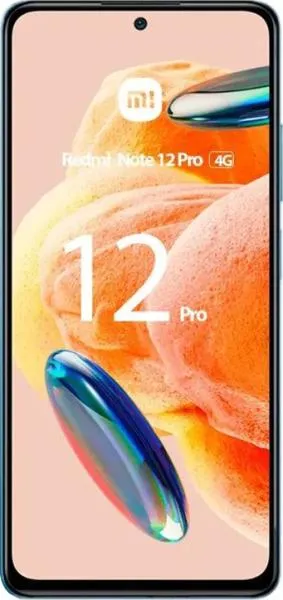
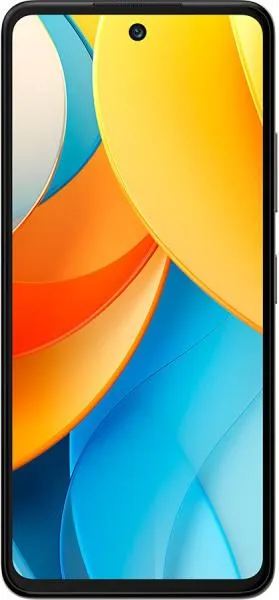
1. Specifications Comparison
| Feature | Xiaomi Redmi Note 12 Pro 4G | ZTE Blade V60 Design | Practical Impact |
|---|---|---|---|
| Design | |||
| Dimensions (mm) | 164.2 x 76.1 x 8.1 | 164.2 x 75.3 x 8.6 | Virtually identical in height and width, but the Redmi is slightly thinner. Negligible difference in hand feel. |
| Weight (g) | 201.8 | 198 | Negligible weight difference. |
| Build Materials | Not specified | Not specified | Cannot compare build quality and durability. |
| Display | |||
| Display Type | AMOLED, 120Hz | IPS LCD, 90Hz | Redmi offers significantly better contrast, colors, and smoother scrolling thanks to AMOLED and 120Hz. ZTE's LCD will appear less vibrant and less responsive. |
| Resolution | 1080 x 2400 | 720 x 1612 | Redmi's display is much sharper and more detailed. ZTE's lower resolution will result in pixelation and less clarity, especially noticeable when reading text or viewing images. |
| PPI | 395 | 267 | Reinforces the sharpness difference; Redmi's display is significantly crisper. |
| Peak Brightness | 1200 nits | Not specified | Redmi's high peak brightness ensures better visibility outdoors. The lack of data for the ZTE makes a direct comparison impossible. |
| Performance | |||
| Chipset | Snapdragon 732G (8nm) | Unisoc T606 (12nm) | Redmi's Snapdragon chip offers significantly better performance and efficiency. Expect smoother multitasking, faster app loading, and better gaming performance on the Redmi. |
| CPU | Octa-core (2x2.2 GHz Kryo 470 Gold & 6x1.8 GHz Kryo 470 Silver) | Octa-core (2x1.6 GHz Cortex-A75 & 6x1.6 GHz Cortex-A55) | Redmi's CPU has faster clock speeds and a more powerful architecture, translating to noticeably better performance in demanding tasks. |
| GPU | Adreno 618 | Mali-G57 MP1 | Redmi's GPU is more powerful, delivering better gaming and graphics performance. |
| RAM | 8GB | 4GB/6GB | Redmi offers more RAM in the compared variant, leading to better multitasking and smoother performance. |
| Camera | |||
| Main Camera | 108MP, f/1.9 | 50MP, f/1.8 | Redmi boasts higher resolution, potentially capturing more detail. However, image quality depends on factors beyond resolution, which are not fully specified here. |
| Video Recording | 4K@30fps, 1080p@60fps | 1080p@30fps | Redmi offers superior video recording capabilities with 4K resolution and 60fps at 1080p for smoother footage. |
| Battery | |||
| Capacity | 5000 mAh | 5000 mAh | Both phones have the same battery capacity, but real-world battery life depends on factors like display efficiency and chipset optimization, which are different in these phones. |
2. Key Differences Analysis
Xiaomi Redmi Note 12 Pro 4G Advantages:
- Superior Display: AMOLED with 120Hz refresh rate delivers vibrant colors, deep blacks, and smooth scrolling.
- Significantly Better Performance: Snapdragon 732G outperforms Unisoc T606 in processing power and graphics capabilities.
- Higher Resolution Camera and Video Recording: Offers more detailed photos and 4K video recording.
ZTE Blade V60 Design Advantages:
- Lower Price: Positioned in a lower price bracket.
- More Recent Android Version: Ships with Android 13, offering potentially newer features and longer software support (though unspecified).
3. User Profiles & Recommendations
Xiaomi Redmi Note 12 Pro 4G: Suited for users who prioritize performance, a high-quality display, and good camera capabilities. Ideal for gaming, media consumption, and multitasking.
ZTE Blade V60 Design: Best for budget-conscious users who primarily use their phones for basic tasks like calling, texting, browsing, and social media. Less demanding users who prioritize affordability over premium features.
4. Decision Framework
Key Questions for Buyers:
- What is your budget? The ZTE is significantly cheaper.
- What are your primary phone usage patterns? For demanding tasks, the Redmi is a better choice. For basic usage, the ZTE might suffice.
- How important is display quality? The Redmi's AMOLED display is a major advantage.
Scenario-Based Recommendations:
- Gamer: Redmi Note 12 Pro 4G
- Heavy Multitasker: Redmi Note 12 Pro 4G
- Budget-Conscious User: ZTE Blade V60 Design
- Casual User: ZTE Blade V60 Design
My Choice: Xiaomi Redmi Note 12 Pro 4G
Reasons:
While the ZTE Blade V60 Design offers a lower price, the Redmi Note 12 Pro 4G provides a significantly better overall user experience due to its superior display, performance, and camera. The Snapdragon 732G, coupled with 8GB of RAM, will ensure smooth performance even after extended use. The AMOLED display offers a substantial visual upgrade. For a moderate price increase, the Redmi delivers a considerably more enjoyable and powerful smartphone experience. The ZTE's lower resolution display and less powerful processor would be significant compromises for me.
