1. Specifications Comparison
| Feature | Xiaomi Redmi Note 12 Pro 4G | ZTE Blade A75 4G | Practical Impact |
|---|---|---|---|
| Design | |||
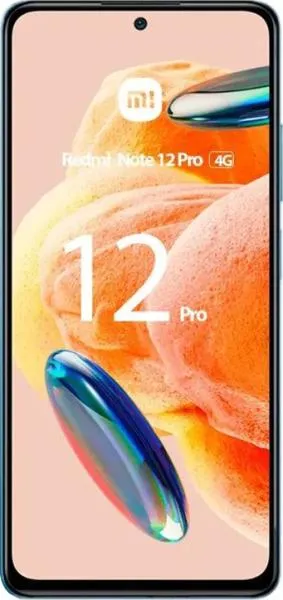
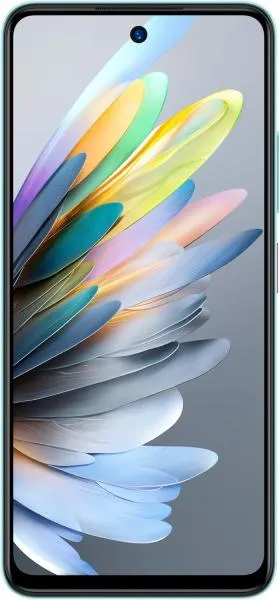
| Dimensions (mm) | 164.2 x 76.1 x 8.1 | 164.1 x 75.8 x 8.6 | Virtually identical in size, but the Redmi is slightly thinner. |
| Weight (g) | 201.8 | 189 | The ZTE is noticeably lighter, making it more comfortable for extended use. |
| Build Materials | Not specified | Not specified | Cannot compare build quality and durability without more information. |
| Display | |||
| Display Type | AMOLED, 120Hz | IPS LCD, 90Hz | The Redmi's AMOLED offers significantly better contrast, deeper blacks, and more vibrant colors. The 120Hz refresh rate provides smoother scrolling and animations compared to the ZTE's 90Hz. |
| Resolution | 1080 x 2400 | 720 x 1612 | The Redmi has a much sharper display with higher pixel density (395 ppi vs 267 ppi), resulting in clearer text and images. |
| Display Size | 6.67" | 6.6" | Negligible difference in screen real estate. |
| Performance | |||
| Chipset | Snapdragon 732G (8 nm) | Unisoc T606 (12 nm) | The Snapdragon 732G is a more powerful chipset, offering better overall performance and gaming capabilities compared to the Unisoc T606. |
| CPU | Octa-core (2x2.2 GHz Kryo 470 Gold & 6x1.8 GHz Kryo 470 Silver) | Octa-core (2x1.6 GHz Cortex-A75 & 6x1.6 GHz Cortex-A55) | The Redmi's CPU has faster clock speeds, translating to quicker app launches and smoother multitasking. |
| GPU | Adreno 618 | Mali-G57 MP1 | The Adreno 618 provides superior graphics performance for demanding games and applications. |
| RAM | 8GB | 4GB/8GB | The reviewed Redmi configuration offers 8GB RAM ensuring smooth multitasking. The ZTE offers a 4GB RAM in the reviewed version which might lead to performance limitations with heavy multitasking. |
| Camera | |||
| Main Camera | 108MP | 50MP | The Redmi boasts a higher resolution main sensor, potentially capturing more detail. However, image quality depends on various factors beyond resolution. |
| Other Cameras | 8MP ultrawide, 2MP depth, 5MP macro | 0.3MP (unknown purpose), 8MP selfie | The Redmi offers a more versatile camera system with an ultrawide lens and dedicated macro lens. The purpose of the 0.3MP lens on the ZTE is unclear. |
| Video Recording | 4K@30fps | 1080p@30fps | The Redmi can record videos at a higher resolution (4K). |
| Battery | |||
| Capacity | 5000 mAh | 5000 mAh | Similar battery capacity suggesting comparable battery life, although real-world usage will vary. |
2. Key Differences Analysis
Xiaomi Redmi Note 12 Pro 4G Advantages:
- Superior Display: AMOLED with 120Hz refresh rate offers a significantly better visual experience.
- Stronger Performance: Snapdragon 732G and Adreno 618 provide smoother performance for gaming and demanding tasks.
- More Versatile Camera System: Includes ultrawide and macro lenses for a wider range of photography options.
- Higher Resolution Main Camera: 108MP sensor potentially captures more detail.
ZTE Blade A75 4G Advantages:
- Lighter Weight: More comfortable for one-handed use and extended periods.
- Lower Price: Offers a more budget-friendly option. (Specific prices not compared due to fluctuating market values)
3. User Profiles & Recommendations
Xiaomi Redmi Note 12 Pro 4G: Ideal for users who prioritize display quality, performance, and camera versatility. Suitable for gaming, media consumption, and mobile photography enthusiasts.
ZTE Blade A75 4G: Best suited for budget-conscious users who primarily use their phones for basic tasks like calling, texting, browsing, and social media. Users who prioritize a lighter phone.
4. Decision Framework
Key Questions for Buyers:
- What is your budget? The ZTE is significantly cheaper.
- What are your primary phone usage patterns? Gamers and media consumers would benefit from the Redmi's superior display and performance.
- How important is camera quality? The Redmi provides a more versatile and potentially higher quality camera experience.
My Choice: Xiaomi Redmi Note 12 Pro 4G
While the ZTE Blade A75 4G offers a lower price point, the Xiaomi Redmi Note 12 Pro 4G provides a significantly better overall user experience. The superior AMOLED display, more powerful processor, versatile camera system, and higher resolution for both photos and videos outweigh the ZTE's advantages in weight and price. The slightly higher price tag is justified by the significant jump in quality and performance. For my usage, which includes media consumption, gaming, and photography, the Redmi is the clear winner. The lighter weight of the ZTE is not a compelling enough factor to sacrifice the significant improvements offered by the Redmi.
