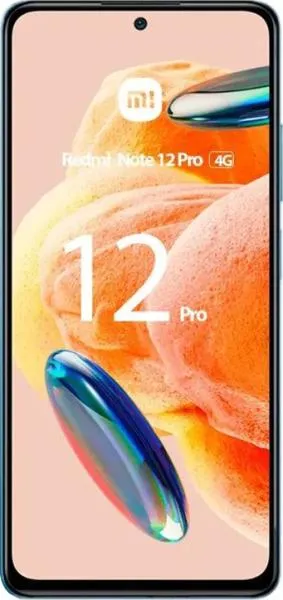
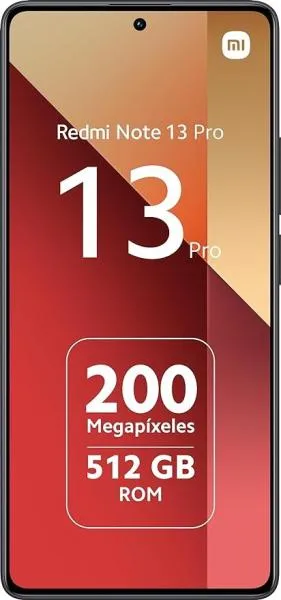
1. Specifications Comparison
| Feature | Xiaomi Redmi Note 12 Pro 4G | Xiaomi Redmi Note 13 Pro 4G | Practical Impact |
|---|---|---|---|
| Design | |||
| Dimensions (mm) | 164.2 x 76.1 x 8.1 | 161.1 x 75 x 8 | Note 13 Pro is slightly smaller and might feel more comfortable in hand. |
| Weight (g) | 201.8 | 188 | Note 13 Pro is noticeably lighter, reducing hand fatigue during extended use. |
| Fingerprint Sensor | Side-mounted | Under-display | Preference-based; under-display feels more modern, side-mounted can be quicker to access. |
| Display | |||
| Size (inches) | 6.67 | 6.67 | Identical screen size. |
| Resolution | 1080 x 2400 | 1080 x 2400 | Identical resolution and sharpness. |
| Type | AMOLED, 120Hz | AMOLED, 120Hz | Both offer smooth scrolling and animations thanks to the 120Hz refresh rate. |
| Peak Brightness (nits) | 1100 | 1300 | Note 13 Pro offers better visibility in direct sunlight. |
| Color Depth | Not specified | 1B | Note 13 Pro should offer more vibrant and accurate colors. |
| Dolby Vision | Yes | No | Note 12 Pro supports Dolby Vision for enhanced HDR video playback on compatible content. |
| Performance | |||
| Chipset | Snapdragon 732G (8nm) | MediaTek Helio G99 Ultra | Helio G99 is newer but real-world performance differences might be subtle for average users; benchmarks are needed for definitive comparison. |
| CPU | Octa-core (2x2.2 GHz Kryo 470 & 6x1.8 GHz Kryo 470) | Octa-core (2x2.2 GHz Cortex-A76 & 6x2.0 GHz Cortex-A55) | Architectural differences exist; practical performance differences require real-world testing. |
| GPU | Adreno 618 | Mali-G57 MC2 | Different GPUs; gaming performance comparisons require benchmarks and game-specific testing. |
| RAM (GB) | 8 | 8/12 | Note 13 Pro offers a 12GB RAM option for potentially smoother multitasking with demanding apps. |
| OS | Android 11 | Android 13 | Note 13 Pro comes with a newer OS, offering potential feature and security advantages and longer software support. |
| Camera | |||
| Main Camera (MP) | 108 | 200 | Note 13 Pro boasts higher resolution, potentially capturing more detail. |
| Optical Image Stabilization | No | Yes | Note 13 Pro should offer significantly more stable video recording and better low-light photos. |
| Video Recording | 4K@30fps | 1080p@60fps | Note 12 Pro offers higher resolution video recording, but Note 13 Pro might offer smoother 60fps at 1080p. |
| Battery | |||
| Capacity (mAh) | 5000 | 5000 | Identical battery capacity, expected similar battery life depending on usage. |
2. Key Differences Analysis
Xiaomi Redmi Note 12 Pro 4G Advantages:
- Dolby Vision: Enhanced HDR video playback.
- Potentially better gaming performance: Requires benchmarks to confirm.
- 4K video recording: Higher resolution video capture.
Xiaomi Redmi Note 13 Pro 4G Advantages:
- Newer OS: Longer software support lifespan and newer features.
- Higher resolution main camera: Potentially more detailed photos.
- Optical Image Stabilization: Significantly improved video stability and low-light performance.
- Brighter Display: Better outdoor visibility.
- More RAM Option: Smoother multitasking in the 12GB variant.
- Lighter and Slightly Smaller: Improved ergonomics.
- Better Bluetooth Connectivity: Bluetooth 5.2 with wider codec support.
3. User Profiles & Recommendations
Redmi Note 12 Pro 4G: Users prioritizing Dolby Vision content consumption and potentially gaming might prefer this phone.
Redmi Note 13 Pro 4G: Users who value a newer OS, better camera quality (especially video), brighter display, and improved ergonomics would likely prefer this option. The 12GB RAM option is ideal for power users.
4. Decision Framework
Key Questions for Buyers:
- Is Dolby Vision support crucial for your video watching habits?
- How important is camera quality, particularly video stability and low-light performance?
- Do you prioritize the latest software and longer-term updates?
My Choice: Xiaomi Redmi Note 13 Pro 4G
The Redmi Note 13 Pro 4G offers a more compelling package overall. The newer Android version, optical image stabilization, brighter display, lighter weight, and potential for better performance (needs benchmarks to confirm) outweigh the Redmi Note 12 Pro's advantages of Dolby Vision and 4K video recording. While 4K recording is nice, the lack of OIS on the Note 12 Pro significantly impacts video quality in many real-world scenarios. The longer software support of the Note 13 Pro is also a major factor in its favor. I would opt for the 12GB RAM version if budget allows for even smoother performance.
