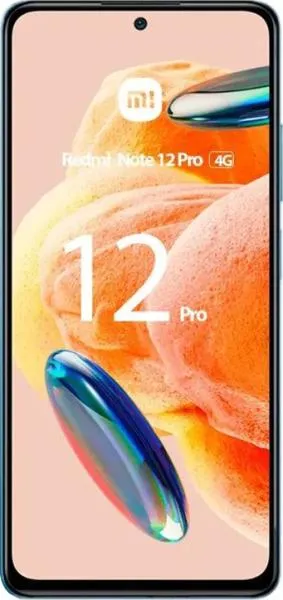
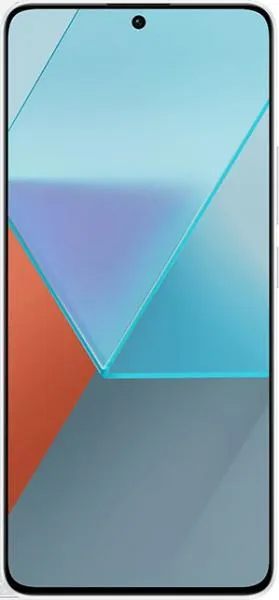
1. Specifications Comparison
| Feature | Xiaomi Redmi Note 12 Pro 4G | Xiaomi Redmi Note 13 Pro | Practical Impact |
|---|---|---|---|
| Design | |||
| Dimensions (mm) | 164.2 x 76.1 x 8.1 | 161.2 x 74.2 x 8.0 | Redmi Note 13 Pro is slightly smaller and more compact. |
| Weight (g) | 201.8 | 187 | Redmi Note 13 Pro is noticeably lighter, improving one-handed use. |
| Fingerprint Sensor | Side-mounted | Under-display | Preference-based, but under-display is often perceived as more modern. |
| Display | |||
| Size (inches) | 6.67 | 6.67 | Same size. |
| Resolution (pixels) | 1080 x 2400 | 1220 x 2712 | Redmi Note 13 Pro has a sharper display with higher pixel density (446 ppi vs 395 ppi), resulting in crisper text and images. |
| Refresh Rate (Hz) | 120 | 120 | Both offer smooth scrolling and animations. |
| Peak Brightness (nits) | 1100 | 1800 | Redmi Note 13 Pro can get significantly brighter, improving outdoor visibility. |
| Performance | |||
| Chipset | Snapdragon 732G (8 nm) | Snapdragon 7s Gen 2 (4 nm) | Redmi Note 13 Pro has a newer and more power-efficient chip, leading to better performance and battery life. |
| CPU | Octa-core (2x2.2 GHz Kryo 470 Gold & 6x1.8 GHz Kryo 470 Silver) | Octa-core (4x2.4 GHz Cortex-A78 & 4x1.95 GHz Cortex-A55) | Redmi Note 13 Pro boasts faster CPU cores, enabling quicker app loading and multitasking. |
| GPU | Adreno 618 | Adreno 710 | Redmi Note 13 Pro has a more powerful GPU, improving gaming and graphics-intensive tasks. |
| RAM (GB) | 8 | 8/12/16 | Redmi Note 13 Pro offers configurations with more RAM, beneficial for heavy multitasking. |
| OS | Android 11 | Android 13 | Redmi Note 13 Pro comes with a newer OS version, offering more features and potentially longer software support. |
| Camera | |||
| Main Camera (MP) | 108 | 200 | Redmi Note 13 Pro has a much higher resolution main sensor, potentially capturing more detail. |
| Ultrawide (MP) | 8 | 8 | Same resolution ultrawide lens. |
| Optical Image Stabilization | No | Yes | Redmi Note 13 Pro benefits from OIS, resulting in steadier videos and better low-light photos. |
| Battery | |||
| Capacity (mAh) | 5000 | 5100 | Redmi Note 13 Pro has a slightly larger battery. Combined with the more efficient chipset, it likely offers longer battery life. |
2. Key Differences Analysis
Redmi Note 13 Pro Advantages:
- Significantly improved performance: Newer, more powerful chipset, faster CPU and GPU, more RAM options. This translates to smoother multitasking, better gaming, and faster app loading.
- Sharper and brighter display: Higher resolution and peak brightness deliver a superior visual experience, especially outdoors.
- Better camera system: Higher resolution main sensor, Optical Image Stabilization (OIS) for improved photo and video quality.
- Longer software support: Newer Android version.
- Lighter and more compact design: Easier to handle and carry.
Redmi Note 12 Pro 4G Advantages:
- Potentially lower price: Older model often available at discounted prices.
3. User Profiles & Recommendations
Redmi Note 13 Pro: Users who prioritize performance, a great display, a good camera, and the latest software features. Ideal for gaming, photography, and demanding tasks.
Redmi Note 12 Pro 4G: Budget-conscious users who primarily use their phones for basic tasks like calling, messaging, social media, and light web browsing.
4. Decision Framework
Key Questions for Buyers:
- What is your budget? The Redmi Note 12 Pro 4G is likely cheaper.
- What are your primary phone usage patterns? Demanding tasks and gaming benefit from the Redmi Note 13 Pro's superior performance.
- How important are camera quality and display quality to you? The Redmi Note 13 Pro offers significant advantages in these areas.
My Choice: Redmi Note 13 Pro
While the Redmi Note 12 Pro 4G is a decent phone, the Redmi Note 13 Pro offers a significant upgrade in almost every aspect for a relatively small price difference. The performance gains, improved camera, sharper display, and longer software support make it a much more future-proof device. The lighter weight and more compact design are also appealing. The performance and camera improvements alone justify the price difference for me, as they significantly enhance the overall user experience. Even if budget is a major concern, I would strongly consider saving up for the Redmi Note 13 Pro, as it provides much better value in the long run.
