1. Specifications Comparison
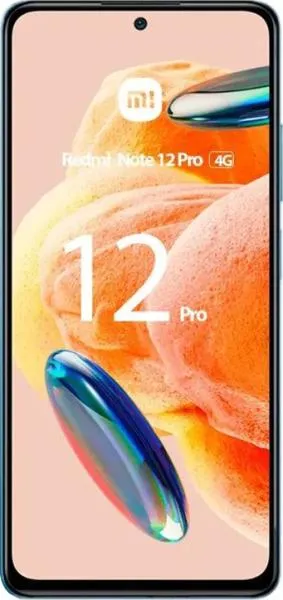
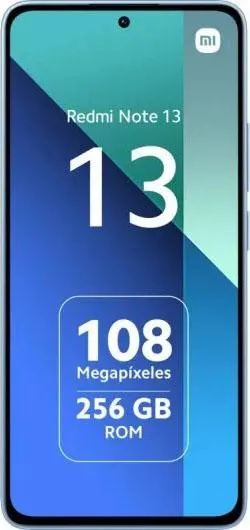
| Feature | Xiaomi Redmi Note 12 Pro 4G | Xiaomi Redmi Note 13 4G | Practical Impact |
|---|---|---|---|
| Design | |||
| Dimensions (mm) | 164.2 x 76.1 x 8.1 | 162.3 x 75.6 x 8.0 | Redmi Note 13 4G is slightly smaller and lighter. Might be marginally easier to hold for some users. |
| Weight (g) | 201.8 | 188.5 | Noticeable weight difference; Redmi Note 13 4G will feel less bulky in hand and pocket. |
| Fingerprint Sensor | Side-mounted | Under-display | Preference-based; under-display feels more modern, side-mounted can be faster to access. |
| Display | |||
| Size (inches) | 6.67 | 6.67 | Identical screen size. |
| Resolution (pixels) | 1080 x 2400 | 1080 x 2400 | Same resolution; sharpness and detail will be similar. |
| Refresh Rate (Hz) | 120 | 120 | Both offer smooth scrolling and animations thanks to the high refresh rate. |
| Display Type | AMOLED | AMOLED | Both offer vibrant colors and deep blacks. |
| Peak Brightness (nits) | 1100 | 1800 | Redmi Note 13 4G offers significantly higher peak brightness, improving outdoor visibility. |
| Dolby Vision | Yes | No | Redmi Note 12 Pro 4G supports Dolby Vision for enhanced HDR content viewing. |
| Performance | |||
| Chipset | Snapdragon 732G (8nm) | Snapdragon 685 (6nm) | 732G generally offers better gaming and overall performance despite the larger process node. The 6nm process on the 685 might result in slightly better battery efficiency. |
| CPU | Octa-core (2x2.2 GHz Kryo 470 Gold & 6x1.8 GHz Kryo 470 Silver) | Octa-core (4x2.8 GHz Cortex-A73 & 4x1.9 GHz Cortex-A53) | Different architectures; 732G likely has a performance edge in demanding tasks. |
| GPU | Adreno 618 | Adreno 610 | 618 offers better graphics performance for gaming. |
| RAM (GB) | 8 | 8 | Same RAM capacity; multitasking performance should be comparable. |
| OS | Android 11 | Android 13 | Redmi Note 13 4G ships with a newer Android version, offering potential feature and security advantages and more future updates. |
| Camera | |||
| Main Camera (MP) | 108 | 108 | Megapixel count is similar but sensor details matter more. Redmi Note 13 uses the newer Samsung HM6 sensor with a larger sensor size (1/1.67") and wider aperture (f/1.7) potentially leading to better low light performance. |
| Video Recording | 4K@30fps | 1080p@30fps | Redmi Note 12 Pro 4G offers superior video resolution. |
| Battery | |||
| Capacity (mAh) | 5000 | 5000 | Same battery capacity. Actual battery life depends on usage and optimization. |
2. Key Differences Analysis
Redmi Note 12 Pro 4G Advantages:
- Superior Performance: The Snapdragon 732G and Adreno 618 provide a noticeable advantage in gaming and demanding tasks.
- Higher Resolution Video Recording: 4K video recording capability is absent on the Redmi Note 13 4G.
- Dolby Vision Support: Enhanced HDR viewing experience.
Redmi Note 13 4G Advantages:
- Newer OS: Android 13 offers features, security, and longevity advantages.
- Brighter Display: Significantly brighter display for better outdoor visibility.
- Lighter and More Compact: Improved handling and portability.
- Potentially Better Main Camera: Newer sensor with larger size and wider aperture on the Redmi Note 13 suggests improved low light photography.
- Potentially Better Battery Life: More efficient 6nm processor may lead to longer battery life.
3. User Profiles & Recommendations
Redmi Note 12 Pro 4G: Users who prioritize gaming performance, need 4K video recording, and appreciate Dolby Vision.
Redmi Note 13 4G: Users who value a newer OS, excellent battery life, bright display for outdoor use, and prioritize a modern, lightweight design. Casual photographers might also prefer the newer main sensor.
4. Decision Framework
Key Questions for Buyers:
- Is gaming performance a priority? If yes, the Redmi Note 12 Pro 4G is the better choice.
- How important is 4K video recording? If essential, the Redmi Note 12 Pro 4G is the only option.
- Is having the latest Android version and features a priority? If yes, choose the Redmi Note 13 4G.
My Choice: Xiaomi Redmi Note 13 4G
While the Redmi Note 12 Pro 4G offers better gaming performance and 4K video, the Redmi Note 13 4G is the more compelling overall package for me. The newer Android version, significantly brighter display, lighter design, and potentially improved main camera sensor and battery life make it a more future-proof and versatile device. The performance difference between the two processors is likely not significant for my average daily usage, and I prioritize software updates and a good display over marginal performance gains. The lower price of the Redmi Note 13 4G further reinforces its value proposition.
