1. Specifications Comparison
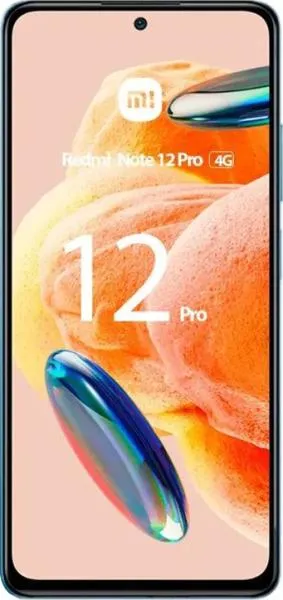
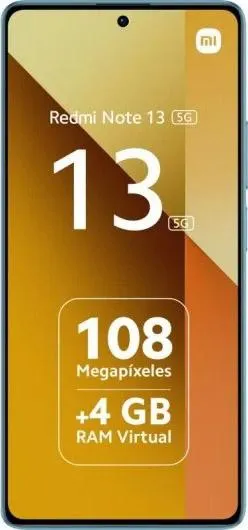
| Feature | Xiaomi Redmi Note 12 Pro 4G | Xiaomi Redmi Note 13 | Practical Impact |
|---|---|---|---|
| Design | |||
| Dimensions (mm) | 164.2 x 76.1 x 8.1 | 161.1 x 75 x 7.6 | Redmi Note 13 is slightly smaller and thinner, potentially improving one-handed usability. |
| Weight (g) | 201.8 | 174.5 | Redmi Note 13 is noticeably lighter, reducing hand fatigue during extended use. |
| Display | |||
| Size (inches) | 6.67 | 6.67 | Same screen size. |
| Resolution | 1080 x 2400 | 1080 x 2400 | Same resolution, resulting in similar sharpness. |
| Type | AMOLED, 120Hz | AMOLED, 120Hz | Both offer smooth scrolling and animations thanks to the 120Hz refresh rate and vibrant colors with AMOLED technology. |
| Color Depth | Not specified | 1B | Redmi Note 13 supports a wider color gamut (1 Billion colors), resulting in more accurate and realistic color representation. |
| HDR | Dolby Vision | None specified | Redmi Note 12 Pro supports Dolby Vision, offering better dynamic range and contrast in supported content. |
| Peak Brightness | 1100 nits | 1000 nits | Redmi Note 12 Pro can get slightly brighter, potentially improving outdoor visibility. |
| Performance | |||
| Chipset | Snapdragon 732G (8nm) | Dimensity 6080 (6nm) | Dimensity 6080 is built on a smaller process node, potentially leading to better power efficiency. Performance differences might be noticeable in demanding tasks. |
| CPU | Octa-core (2x2.2 GHz Kryo 470 Gold & 6x1.8 GHz Kryo 470 Silver) | Octa-core (2x2.4 GHz Cortex-A76 & 6x2.0 GHz Cortex-A55) | Clock speeds suggest the Redmi Note 13 CPU might offer slightly better performance. Real-world performance depends on optimization. |
| GPU | Adreno 618 | Mali-G57 MC2 | Different GPUs make direct comparison difficult; gaming performance may vary. |
| RAM | 8GB | 8GB/12GB | Redmi Note 13 offers a 12GB RAM option, beneficial for heavy multitasking. |
| OS | Android 11 | Android 13 | Redmi Note 13 comes with a newer Android version, offering potential feature and security improvements. It also has a longer update roadmap (up to Android 16). |
| Camera | |||
| Main Camera | 108MP, f/1.9 | 108MP, f/1.7 | Redmi Note 13 has a slightly wider aperture, potentially capturing more light in low-light conditions. Both utilize Samsung sensors, but different models (HM2 vs HM6). Detailed image quality comparison requires real-world testing. |
| Ultrawide | 8MP, f/2.2 | 8MP, f/2.2 | Similar ultrawide cameras. |
| Video | 4K@30fps | 1080p@30fps | Redmi Note 12 Pro offers significantly better video recording capabilities with 4K resolution. |
| Battery | |||
| Capacity | 5000 mAh | 5000 mAh | Same battery capacity, expected similar battery life, though the Redmi Note 13's more efficient chipset could provide an advantage. |
2. Key Differences Analysis
Redmi Note 12 Pro 4G Advantages:
- Superior Video Recording: 4K@30fps vs 1080p@30fps.
- Dolby Vision Support: Enhanced dynamic range and contrast for supported content.
- Slightly Brighter Display: Improved outdoor visibility.
Redmi Note 13 Advantages:
- More Recent and Up-to-date OS: Android 13 with longer support cycle.
- Potentially Better Performance: More efficient 6nm chipset and faster CPU clock speeds.
- Lighter and More Compact Design: Easier to handle and carry.
- Wider Color Gamut: More accurate and vibrant colors on display.
- Lower Price: Positioned in a lower price bracket.
3. User Profiles & Recommendations
Redmi Note 12 Pro 4G: Users who prioritize video recording quality and consume HDR content would prefer this phone.
Redmi Note 13: Users looking for a more affordable, lightweight, and future-proof device with a longer software update lifecycle would find this a compelling option. The higher RAM option also caters to power users.
4. Decision Framework
- Is high-quality video recording crucial? If yes, the Redmi Note 12 Pro 4G is the better choice.
- Is budget a primary concern? The Redmi Note 13 offers excellent value in the lower price range.
- How important is software update longevity? Redmi Note 13's Android 13 and longer update promise make it more future-proof.
My Choice: Xiaomi Redmi Note 13
While the Redmi Note 12 Pro 4G offers 4K video recording and Dolby Vision, the Redmi Note 13's advantages in other areas are more compelling to me. The newer and more efficient chipset, lighter and sleeker design, longer software support (up to Android 16), wider color gamut display, and lower price point make it a more well-rounded and future-proof device. The trade-off in video recording capabilities is acceptable considering the overall package offered by the Redmi Note 13. For my personal use, which prioritizes performance, software updates, and overall value, the Redmi Note 13 is the clear winner. I also appreciate the weight savings for daily use.
