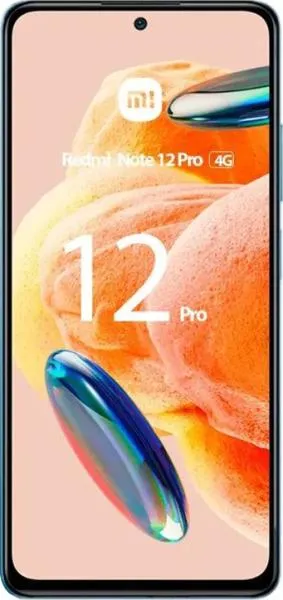
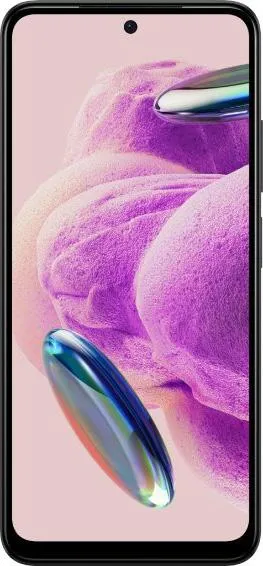
1. Specifications Comparison
| Feature | Xiaomi Redmi Note 12 Pro 4G | Xiaomi Redmi Note 12S | Practical Impact |
|---|---|---|---|
| Design | |||
| Dimensions (mm) | 164.2 x 76.1 x 8.1 | 159.9 x 73.9 x 8.1 | 12S is slightly smaller and more compact, potentially easier to handle. |
| Weight (g) | 201.8 | 176 | 12S is noticeably lighter, reducing hand fatigue during extended use. |
| Display | |||
| Size (inches) | 6.67 | 6.43 | 12 Pro has a slightly larger screen, offering a more immersive viewing experience. |
| Resolution (px) | 1080 x 2400 | 1080 x 2400 | Identical resolution, but the smaller screen size of the 12S results in a slightly higher pixel density (sharper image). |
| Refresh Rate (Hz) | 120 | 90 | 12 Pro's 120Hz display provides smoother scrolling and animations, especially noticeable in games and fast-paced content. |
| Display Type | AMOLED, Dolby Vision | AMOLED | Both have AMOLED displays with vibrant colors and deep blacks. 12 Pro supports Dolby Vision for enhanced HDR content. |
| Peak Brightness (nits) | 1100 | 1000 | 12 Pro can get slightly brighter, improving outdoor visibility. |
| Performance | |||
| Chipset | Snapdragon 732G (8nm) | Helio G96 (12nm) | 732G generally offers better performance and efficiency due to its more advanced architecture and smaller node size. |
| CPU | Octa-core (2x2.2 GHz Kryo 470 Gold & 6x1.8 GHz Kryo 470 Silver) | Octa-core (2x2.05 GHz Cortex-A76 & 6x2.0 GHz Cortex-A55) | 12 Pro likely has a performance advantage in demanding tasks. |
| GPU | Adreno 618 | Mali-G57 MC2 | Adreno 618 generally offers better gaming performance. |
| RAM (GB) | 8 | 6/8 | More RAM in some 12 Pro variants enables better multitasking and app switching. |
| Camera | |||
| Main Camera (MP) | 108 | 108 | Both have 108MP main sensors, potentially offering similar image quality in good lighting. |
| Video Recording | 4K@30fps, 1080p@60fps | 1080p@30fps | 12 Pro offers superior video recording capabilities with 4K resolution and 60fps at 1080p. |
| Battery | |||
| Capacity (mAh) | 5000 | 5000 | Identical battery capacity, but real-world battery life will depend on usage and software optimization. |
2. Key Differences Analysis
Xiaomi Redmi Note 12 Pro 4G Advantages:
- Superior Performance: The Snapdragon 732G, higher RAM options, and better GPU provide a smoother and more responsive experience for demanding tasks and gaming.
- Smoother Display: The 120Hz refresh rate makes scrolling and animations noticeably smoother.
- Better Video Recording: Offers 4K recording and 1080p at 60fps.
- Dolby Vision: Enhanced HDR experience for compatible content.
Xiaomi Redmi Note 12S Advantages:
- Lighter and More Compact: Easier to hold and carry.
- Potentially Lower Price: depending on the RAM/storage configuration.
- Newer Android Version: Ships with Android 13, potentially offering longer software support.
3. User Profiles & Recommendations
Redmi Note 12 Pro 4G: Users who prioritize performance, a smooth display, and better video recording capabilities. Suitable for mobile gamers, content creators, and those who consume a lot of media.
Redmi Note 12S: Users who prefer a lighter, more compact phone and prioritize battery life and affordability. Suitable for casual users, social media enthusiasts, and those who value portability.
4. Decision Framework
Key Questions for Buyers:
- What is your budget? The 12S may offer better value for money depending on specific pricing in your region.
- Is performance a priority? The 12 Pro offers a noticeable performance advantage.
- How important is portability and one-handed use? The 12S is significantly lighter and smaller.
My Choice: Xiaomi Redmi Note 12 Pro 4G
While the Redmi Note 12S offers a compelling combination of affordability and portability, the Redmi Note 12 Pro 4G is the better overall device for my needs. The performance difference due to the superior chipset and higher refresh rate display is significant for my usage, which includes gaming and media consumption. The improved video recording capabilities are also a plus. While I acknowledge the 12S's advantages in weight and size, the performance benefits of the 12 Pro outweigh those factors for me. I am willing to pay a slight premium for the smoother, faster, and more feature-rich experience.
