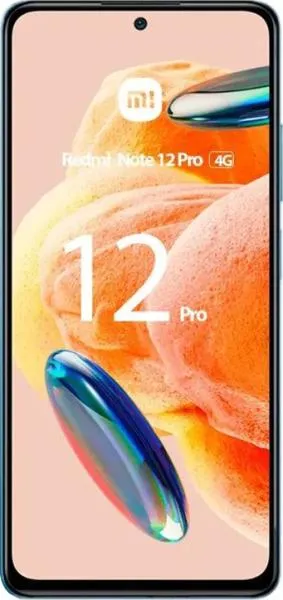
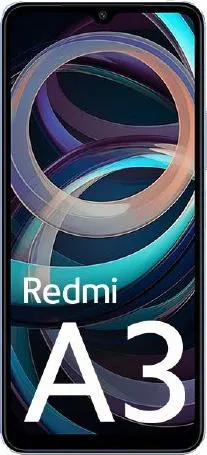
1. Specifications Comparison
| Feature | Xiaomi Redmi Note 12 Pro 4G | Xiaomi Redmi A3 | Practical Impact |
|---|---|---|---|
| Design | |||
| Dimensions (mm) | 164.2 x 76.1 x 8.1 | 168.3 x 76.3 x 8.3 | Redmi A3 slightly larger and thicker. Negligible difference in daily use. |
| Weight (g) | 201.8 | 193 | Redmi A3 slightly lighter, but the difference is minimal. |
| Display | |||
| Display Type | AMOLED, 120Hz | IPS LCD, 90Hz | Note 12 Pro offers vibrant colors, deeper blacks, and smoother scrolling thanks to AMOLED and higher refresh rate. A3's LCD will appear less vibrant and potentially exhibit motion blur. |
| Resolution | 1080 x 2400 | 720 x 1650 | Note 12 Pro has significantly sharper visuals. A3's lower resolution will result in noticeable pixelation, especially when viewing text or images. |
| Display Size | 6.67" | 6.71" | Virtually identical screen sizes. |
| Performance | |||
| Chipset | Snapdragon 732G (8nm) | Helio G36 (12nm) | Note 12 Pro boasts a significantly more powerful processor, resulting in faster app loading, smoother multitasking, and better gaming performance. |
| CPU | Octa-core (2x2.2 GHz & 6x1.8 GHz) | Octa-core (4x2.2 GHz & 4x1.6 GHz) | While both have octa-core CPUs, the Note 12 Pro's architecture and higher clock speeds provide a performance advantage. |
| GPU | Adreno 618 | PowerVR GE8320 | Note 12 Pro's GPU is much stronger, enabling smoother gaming and faster graphics rendering. |
| RAM | 8GB | 3GB/4GB/6GB | Note 12 Pro's 8GB RAM ensures smooth multitasking and less frequent app reloading compared to the A3, especially the 3GB variant. |
| Camera | |||
| Main Camera | 108MP | 8MP | Note 12 Pro offers vastly superior image quality, especially in detail and low-light situations. A3's 8MP camera will produce less detailed and potentially noisy images. |
| Video Recording | 4K@30fps | 1080p@30fps | Note 12 Pro can record higher resolution videos. |
| Battery | |||
| Capacity | 5000 mAh | 5000 mAh | Similar battery capacities, expected to deliver comparable battery life depending on usage. However, the Note 12 Pro's more efficient processor might provide slightly longer battery life. |
2. Key Differences Analysis
Redmi Note 12 Pro 4G Advantages:
- Significantly better performance: Smoother multitasking, gaming, and app usage.
- Superior display: AMOLED technology with 120Hz refresh rate offers vibrant colors, deeper blacks, and smooth scrolling.
- Much better camera: Higher resolution main sensor and 4K video recording capability.
Redmi A3 Advantages:
- Lower price: More budget-friendly option.
- Slightly lighter: Negligible difference in real-world usage.
- Newer Android Version: Starts with Android 14. Potentially longer software support, though this depends on Xiaomi's update policy.
Trade-offs:
- Redmi A3: Sacrifices performance, display quality, and camera capabilities for affordability.
- Redmi Note 12 Pro 4G: Higher price for superior features.
3. User Profiles & Recommendations
Redmi Note 12 Pro 4G: Users who prioritize performance, a high-quality display, and a good camera. Suitable for gaming, media consumption, and photography enthusiasts.
Redmi A3: Users on a tight budget who prioritize basic functionality for everyday tasks like calling, texting, and browsing. Suitable for light users who don't demand high performance or advanced features.
4. Decision Framework
Key Questions for Buyers:
- What is your budget? The A3 is significantly cheaper.
- What are your primary use cases? Gaming, photography, and media consumption benefit from the Note 12 Pro's superior hardware.
- How important is display quality? The Note 12 Pro's AMOLED screen is a major advantage.
My Choice: Xiaomi Redmi Note 12 Pro 4G
While the Redmi A3 is more affordable, the Redmi Note 12 Pro 4G offers a significantly better overall user experience thanks to its superior performance, display, and camera. The price difference is justified by the substantial upgrades. For my needs, a smooth and responsive phone with a great screen and a capable camera is crucial, making the Note 12 Pro the clear winner. The A3's extremely low resolution is a major drawback in today's market. Even for budget-conscious buyers, I would recommend exploring slightly older but more powerful devices in the same price range as the A3, rather than compromising so heavily on core features.
