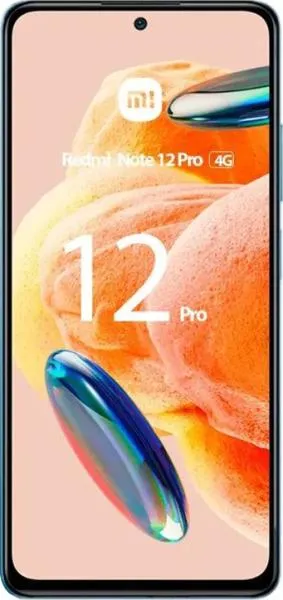
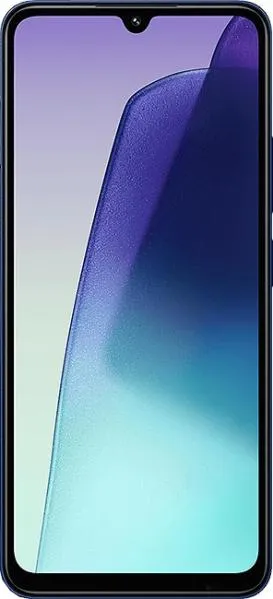
1. Specifications Comparison
| Feature | Xiaomi Redmi Note 12 Pro 4G | Xiaomi Redmi 14C | Practical Impact |
|---|---|---|---|
| Design | |||
| Dimensions (mm) | 164.2 x 76.1 x 8.1 | 171.9 x 77.8 x 8.2 | Redmi 14C is noticeably larger and slightly heavier. May be less comfortable for one-handed use. |
| Weight (g) | 201.8 | 211 | Redmi 14C is slightly heavier. Difference might not be noticeable in daily use. |
| Display | |||
| Display Type | AMOLED, 120Hz | IPS LCD, 120Hz | Redmi Note 12 Pro offers deeper blacks, more vibrant colors, and potentially better power efficiency due to AMOLED technology. Both have smooth scrolling thanks to 120Hz refresh rate. |
| Display Size (inches) | 6.67 | 6.88 | Redmi 14C has a slightly larger display, providing more screen real estate for media consumption. |
| Resolution | 1080 x 2400 (FHD+) | 720 x 1640 (HD+) | Redmi Note 12 Pro has a significantly sharper display. Text and images will appear clearer and more detailed. Redmi 14C's lower resolution might be noticeable in everyday use. |
| PPI | 395 | 260 | Redmi Note 12 Pro's higher pixel density results in sharper visuals. |
| Performance | |||
| Chipset | Snapdragon 732G (8nm) | Helio G81 Ultra | Redmi Note 12 Pro likely offers better performance in demanding tasks and gaming due to a more powerful chipset. |
| CPU | Octa-core (2x2.2 GHz Kryo 470 Gold & 6x1.8 GHz Kryo 470 Silver) | Octa-core (2x2.0 GHz Cortex-A75 & 6x1.8 GHz Cortex-A55) | Redmi Note 12 Pro likely has a slight performance edge. |
| GPU | Adreno 618 | Mali-G52 MC2 | Redmi Note 12 Pro likely offers better graphics performance for gaming. |
| RAM | 8GB | 6GB/8GB | Redmi Note 12 Pro's 8GB RAM configuration in this comparison ensures smoother multitasking and app switching. |
| OS | Android 11 | Android 14 | Redmi 14C comes with a newer Android version out of the box, offering potential features and security updates. |
| Camera | |||
| Main Camera | 108MP | 50MP | Redmi Note 12 Pro boasts a higher resolution main sensor, potentially capturing more detail in photos. However, image quality depends on various factors beyond resolution. |
| Selfie Camera | 16MP | 13MP | Redmi Note 12 Pro has a slightly higher resolution selfie camera. |
| Video Recording | 4K@30fps | 1080p@30fps | Redmi Note 12 Pro offers higher resolution video recording capabilities. |
| Battery | |||
| Capacity | 5000 mAh | 5160 mAh | Redmi 14C has a slightly larger battery capacity, potentially offering slightly longer battery life. Actual battery life depends on usage patterns. |
2. Key Differences Analysis
Redmi Note 12 Pro 4G Advantages:
- Superior Display: AMOLED with higher resolution (FHD+) provides a significantly better visual experience.
- Better Performance: More powerful chipset and GPU result in smoother performance for gaming and demanding tasks.
- Higher Resolution Cameras: Potentially better photo and video quality.
Redmi 14C Advantages:
- Larger Display: More screen real estate for media consumption.
- Slightly Larger Battery: Potentially longer battery life.
- Newer Android Version: Access to newer features and security updates.
- Lower Price: Generally more affordable.
Trade-offs:
- Redmi 14C sacrifices display quality and performance for a larger screen, slightly larger battery, and a lower price.
- Redmi Note 12 Pro has an older Android version.
3. User Profiles & Recommendations
Redmi Note 12 Pro 4G: Users who prioritize display quality, performance, and camera capabilities. Suitable for gaming, media consumption, and photography enthusiasts.
Redmi 14C: Budget-conscious users who prioritize a large display and long battery life for basic tasks like browsing, social media, and communication. Less demanding gamers might also find it adequate.
4. Decision Framework
Key Questions:
- What is your budget? The Redmi 14C is significantly cheaper.
- What are your primary use cases? Gaming and media consumption benefit from the Redmi Note 12 Pro's superior display and performance.
- How important is display quality? The AMOLED screen of the Redmi Note 12 Pro is a major advantage.
Scenario-Based Recommendations:
- Tight Budget, Basic Use: Redmi 14C
- Balanced Needs, Value for Money: Redmi Note 12 Pro 4G
- Gaming and Media Enthusiast: Redmi Note 12 Pro 4G
My Choice: Xiaomi Redmi Note 12 Pro 4G
While the Redmi 14C offers a larger battery and newer Android version, the Redmi Note 12 Pro 4G's significantly better display, performance, and camera capabilities make it a more compelling device for me. I prioritize a smooth and enjoyable user experience, and the AMOLED display with FHD+ resolution, coupled with the stronger processor, would provide that. The slightly older Android version is less of a concern considering the overall performance and visual advantages. The price difference is justifiable for the substantial upgrade in quality.
