1. Specifications Comparison
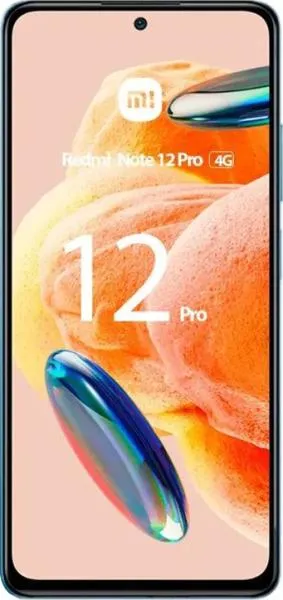
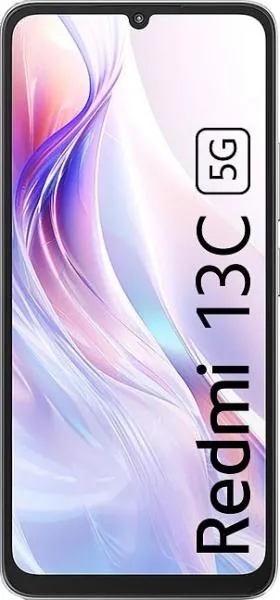
| Feature | Xiaomi Redmi Note 12 Pro 4G | Xiaomi Redmi 13C 5G | Practical Impact |
|---|---|---|---|
| Design | |||
| Dimensions (mm) | 164.2 x 76.1 x 8.1 | 168 x 78 x 8.1 | Redmi 13C is slightly larger. |
| Weight (g) | 201.8 | 192 | Redmi 13C is slightly lighter. Negligible difference in everyday use. |
| Display | |||
| Display Type | AMOLED, 120Hz | IPS LCD, 90Hz | Note 12 Pro offers richer blacks, more vibrant colors, and smoother scrolling due to AMOLED and higher refresh rate. |
| Resolution | 1080 x 2400 | 720 x 1600 | Note 12 Pro has significantly sharper display. Redmi 13C's lower resolution will be noticeable in everyday use. |
| PPI | 395 | 260 | Reinforces the sharpness difference; Note 12 Pro's display is much crisper. |
| Performance | |||
| Chipset | Snapdragon 732G (8nm) | Dimensity 6100+ (6nm) | Dimensity 6100+ is newer and more efficient, but real-world performance differences might be minor. Requires further benchmarking analysis. |
| CPU | Octa-core (2x2.2 GHz Kryo 470 Gold & 6x1.8 GHz Kryo 470 Silver) | Octa-core (2x2.2 GHz Cortex-A76 & 6x2.0 GHz Cortex-A55) | Architectural differences exist; practical performance needs real-world testing. |
| GPU | Adreno 618 | Mali-G57 MC2 | Adreno 618 generally offers better gaming performance, but further comparison is needed based on specific game benchmarks. |
| RAM | 8GB | 6GB | Note 12 Pro allows for more apps to run in the background without reloading, leading to smoother multitasking. |
| Camera | |||
| Main Camera | 108MP Samsung S5KHM2 | 50MP Samsung S5KJN1 | Note 12 Pro boasts higher megapixel count, but sensor size and image processing play a crucial role in image quality. Requires image quality comparison. |
| Selfie Camera | 16MP Sony IMX471 | 5MP | Note 12 Pro offers a much higher resolution selfie camera, likely resulting in better selfie quality. |
| Video Recording | 4K@30fps | 1080p@30fps | Note 12 Pro can record video at a higher resolution. |
| Battery | |||
| Capacity | 5000 mAh | 5000 mAh | Similar battery capacity, but actual battery life depends on software optimization and display efficiency. |
| Other | |||
| NFC | Yes | No | Note 12 Pro supports contactless payments and data transfer via NFC. |
| 5G | No | Yes | Redmi 13C offers faster cellular data speeds where 5G is available. |
| OS | Android 11 | Android 13 | Redmi 13C comes with a newer Android version, offering potential performance and feature improvements. |
2. Key Differences Analysis
Xiaomi Redmi Note 12 Pro 4G Advantages:
- Superior Display: AMOLED with 120Hz offers better colors, contrast, and smoothness.
- More RAM: 8GB ensures smoother multitasking.
- Higher Resolution Cameras: Potentially better image and video quality.
- NFC: Enables contactless payments.
Xiaomi Redmi 13C 5G Advantages:
- 5G Connectivity: Faster cellular data speeds.
- Newer Android Version: Potentially better performance and features.
- Slightly Lighter: Minor advantage in portability.
- Lower Price: Generally more affordable based on listed prices.
Trade-offs:
- Redmi 13C sacrifices display quality and camera resolution for 5G connectivity and a lower price.
- Note 12 Pro lacks 5G but offers a significantly better multimedia experience.
3. User Profiles & Recommendations
Xiaomi Redmi Note 12 Pro 4G: Users who prioritize display quality, camera performance, smooth multitasking, and NFC functionality for contactless payments. Ideal for media consumption, gaming, and general use in areas with good 4G coverage.
Xiaomi Redmi 13C 5G: Users who prioritize 5G connectivity and affordability over other features. Best suited for those in areas with 5G coverage who primarily use their phone for basic tasks like browsing, social media, and communication. Suitable for budget-conscious buyers.
4. Decision Framework
Key Questions for Buyers:
- Is 5G connectivity crucial? If yes, Redmi 13C is the only option.
- How important is display quality and camera performance? If very important, Note 12 Pro is the better choice.
- What is your budget? Redmi 13C is generally more affordable.
My Choice: Xiaomi Redmi Note 12 Pro 4G
While 5G is tempting, the significantly better display and camera of the Redmi Note 12 Pro are more important to me for everyday use. I value a smooth and visually engaging experience when consuming media and playing games. The added benefit of NFC for contactless payments further solidifies my choice. I am willing to forgo 5G for now as 4G speeds are still sufficient for my needs. The slightly higher price is justified by the superior overall experience offered by the Note 12 Pro.
