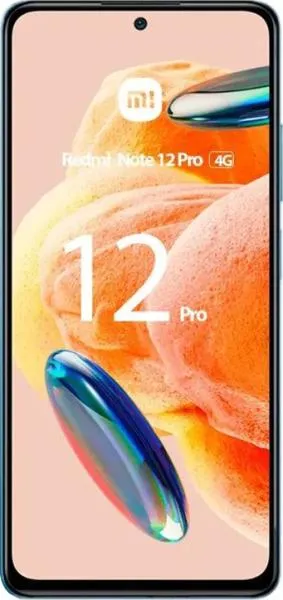
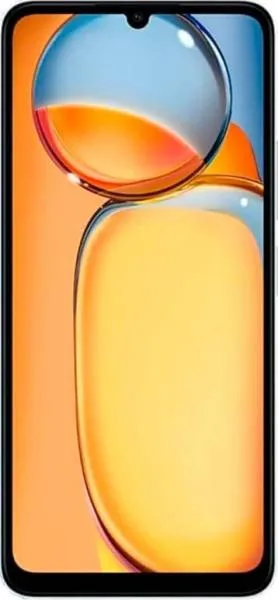
1. Specifications Comparison
| Feature | Xiaomi Redmi Note 12 Pro 4G | Xiaomi Redmi 13C | Practical Impact |
|---|---|---|---|
| Design | |||
| Dimensions (mm) | 164.2 x 76.1 x 8.1 | 168 x 78 x 8.1 | Redmi 13C is slightly larger and may feel less comfortable in hand for some users. |
| Weight (g) | 201.8 | 192 | Redmi 13C is noticeably lighter, reducing hand fatigue during extended use. |
| Build Material | Unspecified | Unspecified | Material differences could impact durability and premium feel; information is lacking. |
| Display | |||
| Display Type | AMOLED, 120Hz | IPS LCD, 90Hz | Note 12 Pro offers deeper blacks, more vibrant colors, and smoother scrolling due to AMOLED and higher refresh rate. |
| Resolution | 1080 x 2400 | 720 x 1600 | Note 12 Pro has a significantly sharper display, resulting in clearer text and images. Redmi 13C's lower resolution will be noticeable. |
| Size | 6.67" | 6.74" | Negligible size difference; both offer large screen real estate. |
| Pixel Density (PPI) | 395 | 260 | Note 12 Pro's higher pixel density translates to significantly sharper visuals. |
| Performance | |||
| Chipset | Snapdragon 732G (8 nm) | Helio G85 (12 nm) | Note 12 Pro likely offers better performance in demanding tasks and gaming due to a more powerful chipset. |
| CPU | Octa-core (2x2.2 GHz Kryo 470 Gold & 6x1.8 GHz Kryo 470 Silver) | Octa-core (2x2.0 GHz Cortex-A75 & 6x1.8 GHz Cortex-A55) | Note 12 Pro likely has a performance edge due to faster clock speeds and architecture. |
| GPU | Adreno 618 | Mali-G52 MC2 | Note 12 Pro likely provides a smoother gaming experience due to a more powerful GPU. |
| RAM | 8GB | 4GB/6GB/8GB | 8GB RAM variant of 13C matches Note 12 Pro; however lower RAM options will limit multitasking and performance on the 13C |
| Camera | |||
| Main Camera | 108MP | 50MP | Note 12 Pro offers higher resolution for potentially more detailed photos. Practical differences depend heavily on image processing. |
| Video Recording | 4K@30fps | 1080p@30fps | Note 12 Pro allows for higher resolution video recording. |
| Front Camera | 16MP | 8MP | Note 12 Pro likely produces higher quality selfies. |
| Battery | |||
| Capacity | 5000 mAh | 5000 mAh | Similar battery capacities suggest comparable battery life, though real-world usage will vary based on other factors. |
2. Key Differences Analysis
Xiaomi Redmi Note 12 Pro 4G Advantages:
- Superior Display: AMOLED with 120Hz refresh rate delivers vibrant colors, deeper blacks, and smoother scrolling. Higher resolution ensures sharper visuals.
- Better Performance: More powerful chipset and GPU translate to improved gaming and multitasking capabilities.
- Enhanced Camera: Higher resolution main and front cameras, along with 4K video recording, offer more flexibility for photography and videography.
Xiaomi Redmi 13C Advantages:
- Lighter Weight: More comfortable for extended use and one-handed operation.
- Lower Price: Offers a more budget-friendly option.
- Newer Android Version: Ships with Android 13, offering potential software and security advantages.
Trade-offs:
- Redmi 13C sacrifices display quality, performance, and camera capabilities for a lower price point.
- Redmi Note 12 Pro comes with an older Android version out of the box.
3. User Profiles & Recommendations
Redmi Note 12 Pro 4G: Users who prioritize display quality, performance, and camera capabilities for gaming, multimedia consumption, and content creation.
Redmi 13C: Budget-conscious users who prioritize basic functionality, long battery life, and a lightweight design for everyday communication and light tasks. This phone is suitable for users who prioritize affordability over high-end specs.
4. Decision Framework
Key Questions for Buyers:
- What is your budget? The Redmi 13C is significantly cheaper.
- What are your primary smartphone uses? Gaming, multimedia consumption, and photography benefit from the Note 12 Pro's superior hardware.
- How important is display quality? The Note 12 Pro's AMOLED display is a significant advantage.
Scenario-Based Recommendations:
- Limited Budget: Redmi 13C
- Gaming Enthusiast: Redmi Note 12 Pro 4G
- Photography Enthusiast: Redmi Note 12 Pro 4G
- Casual User: Redmi 13C might suffice, but the Note 12 Pro offers a better overall experience for a moderate price increase.
My Choice: Xiaomi Redmi Note 12 Pro 4G
While the Redmi 13C offers an attractive price, the Redmi Note 12 Pro 4G provides a significantly better overall user experience. The superior AMOLED display, higher performance, and more capable camera system outweigh the price difference and slightly older Android version for me. The smoother 120Hz refresh rate and sharper resolution would greatly enhance daily use, making tasks more enjoyable and media consumption more immersive. While I appreciate the lighter weight of the 13C, the performance and display compromises are too significant to ignore. I would rather invest in a phone that provides a more enjoyable and versatile experience in the long run.
