1. Specifications Comparison
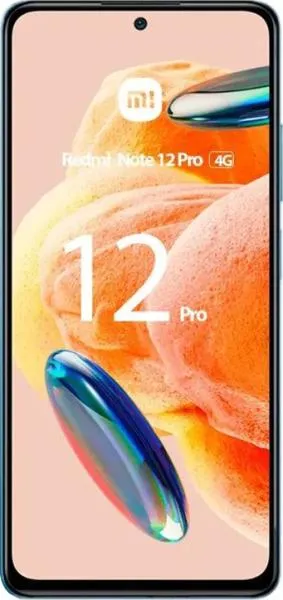
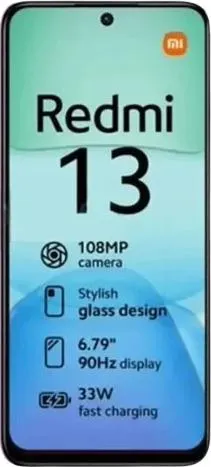
| Feature | Xiaomi Redmi Note 12 Pro 4G | Xiaomi Redmi 13 | Practical Impact |
|---|---|---|---|
| Design | |||
| Dimensions (mm) | 164.2 x 76.1 x 8.1 | 168.6 x 76.3 x 8.3 | Redmi 13 is slightly larger and thicker. |
| Weight (g) | 201.8 | 205 | Negligible weight difference in real-world usage. |
| Display | |||
| Display Type | AMOLED, 120Hz | IPS LCD, 90Hz | Redmi Note 12 Pro offers richer colors, deeper blacks, and smoother scrolling due to AMOLED and higher refresh rate. Redmi 13's LCD might be slightly more visible in direct sunlight. |
| Display Size (inches) | 6.67 | 6.79 | Redmi 13 has a marginally larger screen. |
| Resolution | 1080 x 2400 | 1080 x 2460 | Virtually identical resolution; sharpness will be similar. |
| Performance | |||
| Chipset | Snapdragon 732G (8 nm) | Helio G91 Ultra (12 nm) | Redmi Note 12 Pro likely offers slightly better performance due to a more powerful GPU (Adreno 618 vs. Mali-G52 MC2), despite a less efficient manufacturing process. |
| CPU | Octa-core (2x2.2 GHz & 6x1.8 GHz) | Octa-core (2x2.0 GHz & 6x1.8 GHz) | Performance differences will likely be minimal in everyday tasks. |
| RAM | 8GB | 8GB in 256 GB version | Sufficient RAM for multitasking on both devices, although specific configurations may vary. |
| OS | Android 11 | Android 14 | Redmi 13 benefits from newer OS features, security updates, and potential performance optimizations. |
| Camera | |||
| Rear Camera | 108MP (Main) + 8MP (Wide) + 2MP (Depth) + 5MP (Macro) | 108MP (Main) + 2MP (Depth) | Redmi Note 12 Pro offers greater versatility with a dedicated wide-angle and macro lens. Image quality comparisons require real-world testing due to missing sensor details for Redmi 13. |
| Front Camera | 16MP | 13MP | Redmi Note 12 Pro boasts a higher resolution selfie camera. |
| Video Recording | 4K@30fps | 1080p@30fps | Redmi Note 12 Pro allows for higher resolution video recording. |
| Battery | |||
| Capacity | 5000 mAh | 5030 mAh | Negligible difference in battery capacity. Real-world battery life depends on usage and software optimization. |
2. Key Differences Analysis
Redmi Note 12 Pro 4G Advantages:
- Superior Display: AMOLED with 120Hz refresh rate offers a significantly better visual experience.
- More Versatile Camera: Dedicated wide-angle and macro lenses provide more shooting options.
- Potentially Better Performance: More powerful GPU likely translates to smoother gaming and demanding tasks.
- Higher Resolution Video Recording: Capable of recording in 4K.
Redmi 13 Advantages:
- Newer Android Version: Comes with Android 14, offering the latest features and security updates.
- Lower Price: Positioned in a lower price range, offering better value for budget-conscious users.
- Slightly Larger Screen: Provides marginally more screen real estate.
3. User Profiles & Recommendations
Redmi Note 12 Pro 4G: Suited for users who prioritize display quality, camera versatility, and smoother performance, particularly for gaming or media consumption.
Redmi 13: Best for budget-conscious buyers who prioritize a modern operating system and value for money. Suitable for general everyday use, social media, and light gaming.
4. Decision Framework
Key Questions for Buyers:
- What is your budget? The Redmi 13 offers a more affordable option.
- How important is display quality? The AMOLED display on the Redmi Note 12 Pro is a significant advantage.
- What are your primary use cases? Gaming and media consumption benefit from the Redmi Note 12 Pro's performance and display; basic tasks are handled well by both.
My Choice: Xiaomi Redmi Note 12 Pro 4G
While the Redmi 13 offers excellent value, the Redmi Note 12 Pro 4G's superior AMOLED display, 120Hz refresh rate, more versatile camera system, and potentially better performance make it the more compelling device for me. The significantly enhanced visual and user experience outweighs the slightly higher price and older Android version (which could potentially be updated). I prioritize a smooth and visually engaging experience, making the Redmi Note 12 Pro 4G the better fit for my personal preferences. The difference in price is justifiable for the substantial upgrade in display and camera functionality.
