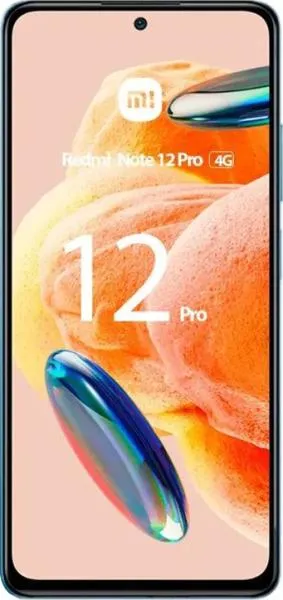
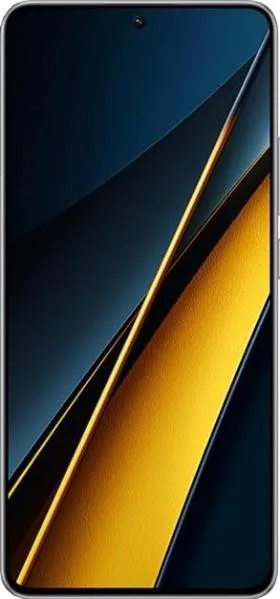
1. Specifications Comparison
| Feature | Xiaomi Redmi Note 12 Pro 4G | Xiaomi Poco X6 Pro | Practical Impact |
|---|---|---|---|
| Design | |||
| Dimensions (mm) | 164.2 x 76.1 x 8.1 | 160.5 x 74.3 x 8.3 | Poco X6 Pro is slightly smaller and might feel more comfortable in hand. |
| Weight (g) | 201.8 | 186 | Poco X6 Pro is noticeably lighter, reducing hand fatigue during extended use. |
| Fingerprint Sensor | Side-mounted | Under-display | Preference-based, but under-display is often perceived as more modern. |
| Display | |||
| Display Size (inches) | 6.67 | 6.67 | Same size. |
| Resolution (pixels) | 1080 x 2400 | 1220 x 2712 | Poco X6 Pro has a sharper display with higher pixel density, resulting in clearer text and images. |
| Display Type | AMOLED, 120Hz | AMOLED, 120Hz | Both offer smooth scrolling and vibrant colors thanks to AMOLED and 120Hz refresh rate. |
| Peak Brightness (nits) | 1100 | 1800 | Poco X6 Pro can get significantly brighter, improving outdoor visibility. |
| HDR | Dolby Vision | HDR10+, Dolby Vision | Poco X6 Pro supports a wider range of HDR standards, potentially offering better video playback quality. |
| Performance | |||
| Chipset | Snapdragon 732G (8nm) | Dimensity 8300 Ultra (4nm) | Poco X6 Pro's newer and more powerful chipset will provide significantly better performance in demanding tasks and gaming. The 4nm process also implies better power efficiency. |
| CPU | Octa-core (2x2.2 GHz Kryo 470 Gold & 6x1.8 GHz Kryo 470 Silver) | Octa-core (1x3.35 GHz Cortex-A715 & 3x3.20 GHz Cortex-A715 & 4x2.20 GHz Cortex-A510) | Poco X6 Pro boasts a more modern and powerful CPU architecture, leading to faster app loading, smoother multitasking, and improved responsiveness. |
| GPU | Adreno 618 | Mali G615-MC6 | Poco X6 Pro likely offers superior graphics performance, though real-world gaming comparisons are needed for definitive conclusions. |
| RAM | 8GB | 12GB (in one variant) | More RAM on the Poco X6 Pro (in the 12GB variant) allows for more apps to be held in memory, reducing reloading and improving multitasking. |
| OS | Android 11 | Android 14 | Poco X6 Pro ships with a newer Android version, providing access to the latest features, security updates, and potentially longer software support. |
| Camera | |||
| Main Camera (MP) | 108 | 64 | Redmi Note 12 Pro has a higher megapixel count, but sensor size and other factors also impact image quality. Direct image comparisons are needed. |
| Optical Stabilization | No | Yes | Poco X6 Pro's optical image stabilization will result in significantly smoother videos and potentially better low-light photos. |
| Battery | |||
| Capacity (mAh) | 5000 | 5000 | Same battery capacity. Real-world battery life will depend on usage and power efficiency of each phone's chipset. |
2. Key Differences Analysis
Xiaomi Redmi Note 12 Pro 4G Advantages:
- Potentially Better Value: Depending on pricing, the higher megapixel main camera might appeal to some users.
Xiaomi Poco X6 Pro Advantages:
- Significantly Superior Performance: The Dimensity 8300 Ultra offers a major leap in processing power and graphics capabilities.
- Sharper Display: Higher resolution and peak brightness provide a more visually appealing experience.
- More Modern Features: Newer Android version, optical image stabilization, and under-display fingerprint sensor. 5G connectivity.
- Lighter and More Compact: Noticeably lighter and slightly smaller dimensions improve handling.
Trade-offs:
- Price: The Poco X6 Pro likely commands a higher price due to its superior features.
- Camera: While the Redmi Note 12 Pro has a higher megapixel count on the main camera, the Poco X6 Pro benefits from optical image stabilization. Real-world image quality comparisons are crucial.
3. User Profiles & Recommendations
Xiaomi Redmi Note 12 Pro 4G:
- Budget-conscious users: Those prioritizing affordability over top-tier performance.
- Light users: Primarily using their phone for basic tasks like calling, texting, and social media.
Xiaomi Poco X6 Pro:
- Performance enthusiasts: Gamers, power users who demand smooth multitasking and fast app loading.
- Content creators: Those who require a high-quality display for media consumption and editing.
- Future-proofing: Users who want the latest features and longer software support.
4. Decision Framework
Key Questions for Buyers:
- What is your budget? The Poco X6 Pro likely costs more.
- What are your primary phone usage patterns? Gaming, content creation, or basic tasks?
- How important are features like a sharp display, long battery life, and the latest software?
Scenario-Based Recommendations:
- Tight budget, basic usage: Redmi Note 12 Pro 4G
- Prioritize performance and future-proofing: Poco X6 Pro
My Choice: Xiaomi Poco X6 Pro
While I lack specific pricing information, the Xiaomi Poco X6 Pro is the clear winner based on the provided specifications. The significantly improved performance thanks to the Dimensity 8300 Ultra, the sharper and brighter display, the more modern OS, the inclusion of optical image stabilization, and 5G connectivity make it a much more compelling device for a wider range of users. The lighter weight is also a substantial benefit. Even if the Poco X6 Pro is more expensive, the substantial upgrades justify the price difference for most users seeking a long-lasting and capable smartphone. The Redmi Note 12 Pro 4G might be a suitable option for extremely budget-conscious buyers who prioritize basic functionality above all else. However, the Poco X6 Pro represents a significant step forward in almost every aspect.
