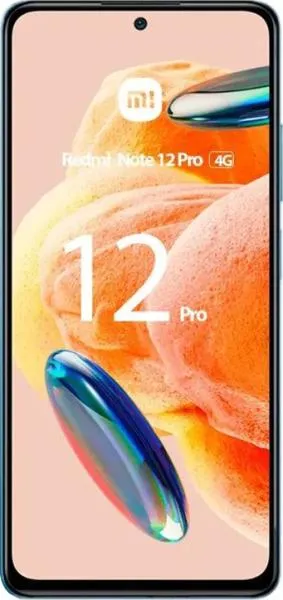
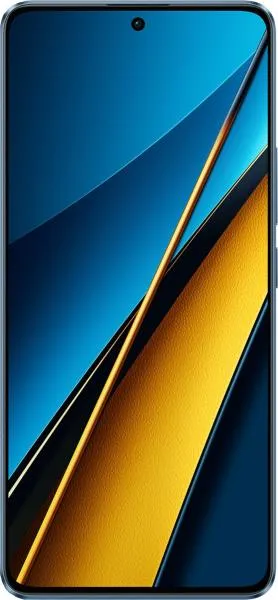
1. Specifications Comparison
| Feature | Xiaomi Redmi Note 12 Pro 4G | Xiaomi Poco X6 | Practical Impact |
|---|---|---|---|
| Design | |||
| Dimensions (mm) | 164.2 x 76.1 x 8.1 | 161.2 x 74.3 x 8.0 | Poco X6 is slightly smaller and more compact, potentially easier to handle. |
| Weight (g) | 201.8 | 181 | Poco X6 is noticeably lighter, reducing hand fatigue during extended use. |
| Fingerprint Sensor | Side-mounted | Under-display | Preference-based; under-display is modern but side-mounted can be faster and more reliable. |
| Display | |||
| Size (inches) | 6.67 | 6.67 | Same size display. |
| Resolution | 1080 x 2400 | 1220 x 2712 | Poco X6 has a sharper display with higher pixel density, resulting in clearer text and images. |
| Refresh Rate (Hz) | 120 | 120 | Both offer smooth scrolling and animations thanks to the 120Hz refresh rate. |
| Panel Type | AMOLED | AMOLED | Both offer vibrant colors and deep blacks. |
| Peak Brightness (nits) | 1100 | 1800 | Poco X6 can get significantly brighter, improving outdoor visibility. |
| Performance | |||
| Chipset | Snapdragon 732G (8nm) | Snapdragon 7s Gen 2 (4nm) | Poco X6 has a more powerful and efficient processor built on a smaller node, leading to better performance and battery life. |
| CPU | Octa-core (2x2.2 GHz Kryo 470 Gold & 6x1.8 GHz Kryo 470 Silver) | Octa-core (4x2.4 GHz Cortex-A78 & 4x1.95 GHz Cortex-A55) | Poco X6 has a newer CPU architecture resulting in significantly improved performance for demanding tasks and multitasking. |
| GPU | Adreno 618 | Adreno 710 | Poco X6's GPU provides a substantial performance boost for gaming and graphically intensive applications. |
| RAM | 8GB | 12GB | Poco X6 offers more RAM, enabling smoother multitasking and better handling of demanding applications. |
| Camera | |||
| Main Camera (MP) | 108 | 64 | Redmi Note 12 Pro has a higher resolution main sensor, potentially capturing more detail. However, sensor size and other factors also influence image quality, and this cannot be fully assessed with the given data. |
| Ultrawide (MP) | 8 | 8 | Same resolution ultrawide lens. |
| Video Recording | 4K@30fps | 4K@30fps with EIS | Both record 4K video; Poco X6 features Electronic Image Stabilization (EIS) for smoother videos. |
| Battery | |||
| Capacity (mAh) | 5000 | 5100 | Poco X6 has a slightly larger battery. Combined with the more efficient processor, it likely offers longer battery life. |
| Software | |||
| OS | Android 11 | Android 13 | Poco X6 ships with a newer Android version and is promised updates to Android 16, offering longer software support and newer features. |
2. Key Differences Analysis
Xiaomi Redmi Note 12 Pro 4G Advantages:
- Potentially better detail in still photos: The 108MP main camera sensor might capture more detail compared to the Poco X6's 64MP sensor, but this depends on other factors not specified.
Xiaomi Poco X6 Advantages:
- Significantly better performance: Newer and more powerful chipset, CPU, and GPU translates to a smoother user experience, especially for gaming and multitasking.
- Sharper Display: Higher resolution and peak brightness offer a more enjoyable viewing experience.
- Longer Battery Life: Larger battery and more efficient chipset likely result in extended usage time.
- More RAM: 12GB RAM allows for smoother multitasking and handles demanding apps with ease.
- Newer Software & Longer Support: Ships with Android 13 and guaranteed updates to Android 16, ensuring access to the latest features and security patches.
- Lighter and More Compact: Easier to hold and carry.
- Video Stabilization: Smoother video recording thanks to EIS.
3. User Profiles & Recommendations
Redmi Note 12 Pro 4G: Users on a tighter budget who prioritize still photo resolution over other aspects and are comfortable with shorter software update cycles.
Poco X6: Users who value performance, a smooth user experience, longer battery life, latest software, and a lighter, more compact design. Suitable for gamers, multitaskers, and those who consume a lot of media on their phones.
4. Decision Framework
Key Questions for Buyers:
- What is your budget? The Poco X6 is likely more expensive.
- What are your primary use cases? Gaming, multitasking, and media consumption heavily favor the Poco X6.
- How important is software support and the latest features? The Poco X6 offers a much longer software support lifespan.
Scenario-Based Recommendations:
- Casual User: If you primarily use your phone for basic tasks like calling, texting, and social media, the Redmi Note 12 Pro might suffice.
- Power User: For demanding tasks, gaming, and a future-proof device, the Poco X6 is the clear winner.
My Choice: Xiaomi Poco X6
The Poco X6 is a superior device overall. While the Redmi Note 12 Pro might offer slightly better still photo detail (this is not conclusive with the given data), the Poco X6 provides a significantly better user experience in almost every other aspect: performance, display, battery life, software support, and design. The newer processor and larger RAM will provide a more future-proof experience. The commitment to Android 16 ensures longer software support and access to the latest features. The lighter weight and smaller form factor enhance daily usability. For the average user, these advantages outweigh the potential difference in still photo quality.
