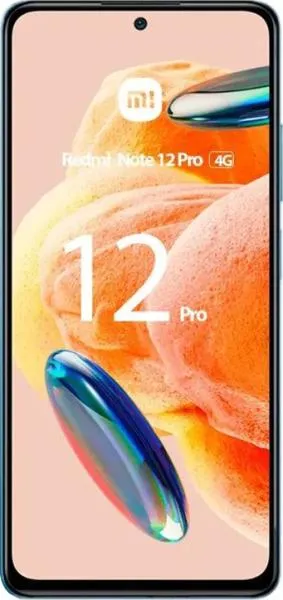
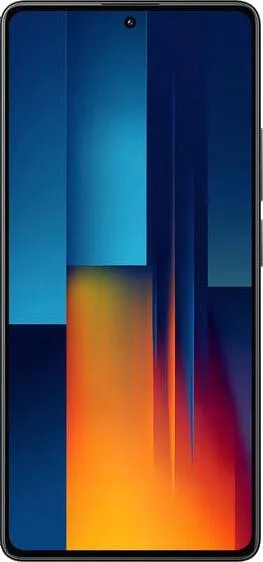
1. Specifications Comparison
| Feature | Xiaomi Redmi Note 12 Pro 4G | Xiaomi Poco M6 Pro | Practical Impact |
|---|---|---|---|
| Design | |||
| Dimensions (mm) | 164.2 x 76.1 x 8.1 | 161.1 x 75 x 8 | Poco M6 Pro is slightly smaller and more compact. |
| Weight (g) | 201.8 | 179 | Poco M6 Pro is noticeably lighter, improving one-handed use. |
| Fingerprint Sensor | Side-mounted | Under-display | Preference-based, but under-display is often considered more modern. |
| Display | |||
| Size (inches) | 6.67 | 6.67 | Identical display size. |
| Resolution (pixels) | 1080 x 2400 | 1080 x 2400 | Identical resolution and sharpness. |
| Type | AMOLED | AMOLED | Both offer vibrant colors and deep blacks. |
| Refresh Rate (Hz) | 120 | 120 | Both provide smooth scrolling and animations. |
| Peak Brightness (nits) | 1100 | 1300 | Poco M6 Pro can get brighter, improving outdoor visibility. |
| Dolby Vision | Yes | No | Redmi Note 12 Pro offers better HDR video playback quality. |
| Performance | |||
| Chipset | Snapdragon 732G | Helio G99 Ultra | Poco M6 Pro's Helio G99 is generally more power efficient but may have slightly lower peak performance in demanding games. |
| CPU | Octa-core (2x2.2 GHz Kryo 470 Gold & 6x1.8 GHz Kryo 470 Silver) | Octa-core (2x2.2 GHz Cortex-A76 & 6x2.0 GHz Cortex-A55) | Comparable CPU performance, though architectural differences may favor specific tasks. More real-world testing needed for definitive comparison. |
| GPU | Adreno 618 | Mali-G57 MC2 | Redmi Note 12 Pro likely has a slight edge in gaming performance. |
| RAM (GB) | 8 | Up to 12 | Poco M6 Pro offers configurations with more RAM, benefiting multitasking and demanding apps. |
| OS | Android 11 | Android 13 | Poco M6 Pro comes with a newer OS version, offering potential feature and security advantages. |
| Camera | |||
| Main Camera (MP) | 108 | 64 | Redmi Note 12 Pro boasts higher resolution, potentially capturing more detail. However, megapixels alone don't guarantee image quality. |
| Ultrawide (MP) | 8 | 8 | Identical ultrawide resolution. |
| Video Recording | 4K@30fps | 1080p@60fps with EIS | Redmi Note 12 Pro offers higher resolution video recording, but Poco M6 Pro has electronic image stabilization (EIS) at 60fps for smoother videos. |
| Battery | |||
| Capacity (mAh) | 5000 | 5000 | Identical battery capacity. Real-world battery life will depend on usage and optimization. |
2. Key Differences Analysis
Redmi Note 12 Pro 4G Advantages:
- Higher resolution main camera: Potentially better detail in photos.
- 4K video recording: Higher resolution video capture.
- Dolby Vision support: Enhanced HDR video playback.
Poco M6 Pro Advantages:
- Lighter and more compact: Improved one-handed usability.
- Newer Android version: Access to newer features and security updates.
- Higher peak brightness: Better outdoor visibility.
- More RAM options: Improved multitasking performance.
- Electronic Image Stabilization (EIS) in video: Smoother video recording, especially when moving.
- More efficient Chipset: Potentially longer battery life under similar usage patterns.
Trade-offs:
- Redmi Note 12 Pro: Older Android version. Larger and heavier.
- Poco M6 Pro: Lower resolution main camera. No 4K video recording. No Dolby Vision.
3. User Profiles & Recommendations
Redmi Note 12 Pro 4G: Users prioritizing camera resolution and video quality for still photography and occasional 4K video recording. Also suitable for those who value Dolby Vision for media consumption.
Poco M6 Pro: Users who value a lightweight and compact phone with good battery life, smooth performance, and a modern operating system. Ideal for everyday tasks, social media, and casual gaming. The higher RAM options cater to power users.
4. Decision Framework
Key Questions:
- What is your budget and which phone offers the best value within that range? Consider the available storage options and their respective prices for each phone.
- What are your primary smartphone usage patterns (photography, video, gaming, social media)?
- Do you prioritize a newer operating system and longer software support or specific features like Dolby Vision and higher resolution camera?
Scenario-Based Recommendations:
- Photography enthusiast: Redmi Note 12 Pro 4G for the higher resolution main camera.
- Casual user: Poco M6 Pro for its all-around balanced features, newer OS, and potentially better value.
- Power user: Poco M6 Pro for the higher RAM options and more efficient chipset.
My Choice: Xiaomi Poco M6 Pro
While the Redmi Note 12 Pro 4G offers a higher resolution main camera and 4K video recording, the Poco M6 Pro's advantages in daily usability are more significant to me. The lighter weight, more compact design, newer Android version (with longer software support), higher peak brightness, and better power efficiency through the Helio G99 make it a more compelling overall package. The availability of higher RAM configurations also future-proofs the device better for demanding tasks. While I appreciate the higher megapixel count on the Redmi Note 12 Pro, real-world image quality depends on various factors beyond resolution, and the Poco M6 Pro's 64MP sensor is likely sufficient for most users. The inclusion of EIS for video on the Poco M6 Pro is also a significant benefit for capturing smoother footage. Finally, the price difference, especially considering the higher RAM and storage options available for the Poco M6 Pro, makes it a better value proposition in my opinion.
