1. Specifications Comparison
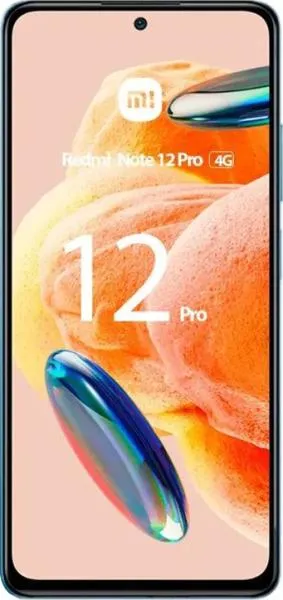
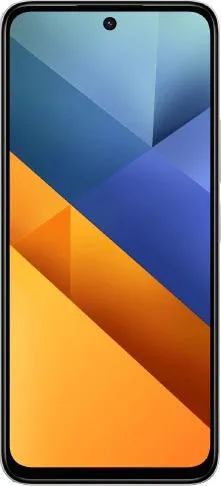
| Feature | Xiaomi Redmi Note 12 Pro 4G | Xiaomi Poco M6 4G | Practical Impact |
|---|---|---|---|
| Design | |||
| Dimensions (mm) | 164.2 x 76.1 x 8.1 | 168.6 x 76.3 x 8.3 | Poco M6 is slightly larger and thicker. Negligible difference in daily use. |
| Weight (g) | 201.8 | 205 | Virtually identical weight; no noticeable difference in hand. |
| Display | |||
| Display Type | AMOLED, 120Hz | IPS LCD, 90Hz | Redmi Note 12 Pro offers deeper blacks, more vibrant colors, and smoother scrolling due to AMOLED and higher refresh rate. |
| Display Size (inches) | 6.67 | 6.79 | Poco M6 has a slightly larger display, providing marginally more screen real estate. |
| Resolution | 1080 x 2400 | 1080 x 2460 | Nearly identical resolution; sharpness will be similar on both. |
| Performance | |||
| Chipset | Snapdragon 732G (8nm) | Helio G91 (12nm) | Redmi Note 12 Pro likely offers better performance and efficiency due to a more powerful and efficient chipset. |
| CPU | Octa-core (2x2.2 GHz & 6x1.8 GHz) | Octa-core (2x2.0 GHz & 6x1.8 GHz) | Redmi Note 12 Pro likely has a slight edge in processing power. |
| GPU | Adreno 618 | Mali-G52 MC2 | Redmi Note 12 Pro likely offers better gaming performance. |
| RAM | 8GB | Up to 8GB | RAM configurations vary, impacting multitasking capabilities. |
| OS | Android 11 | Android 14 | Poco M6 ships with a newer Android version, offering potential feature and security advantages. |
| Camera | |||
| Main Camera | 108MP | 50MP | Redmi Note 12 Pro boasts higher resolution, potentially capturing more detail. Practical difference may be less noticeable in everyday use. |
| Ultrawide | 8MP | None | Redmi Note 12 Pro offers ultrawide photography, expanding creative possibilities. |
| Selfie Camera | 16MP | 8MP | Redmi Note 12 Pro has a higher resolution selfie camera. |
| Battery | |||
| Capacity | 5000 mAh | 5000 mAh | Virtually identical battery capacity. Real-world battery life depends on usage and optimization. |
2. Key Differences Analysis
Redmi Note 12 Pro 4G Advantages:
- Superior Display: AMOLED with 120Hz offers significantly better visual experience.
- Better Performance: More powerful chipset and GPU for smoother operation and gaming.
- More Versatile Camera System: Includes an ultrawide lens.
Poco M6 4G Advantages:
- Newer Android Version: Comes with Android 14, offering potential software and security benefits.
- Lower Price: Positioned in the "low price" range, offering greater affordability.
3. User Profiles & Recommendations
Redmi Note 12 Pro 4G: Users who prioritize display quality, performance, and camera versatility. Suitable for gaming, media consumption, and photography enthusiasts.
Poco M6 4G: Budget-conscious users who prioritize basic functionality and a newer operating system. Suitable for everyday tasks like browsing, social media, and communication.
4. Decision Framework
Key Questions for Buyers:
- What is your budget? The Poco M6 offers significant cost savings.
- How important is display quality? The Redmi Note 12 Pro's AMOLED display is a major differentiator.
- What are your primary use cases? Gamers and multimedia enthusiasts will appreciate the Redmi Note 12 Pro's performance.
Scenario-Based Recommendations:
- Tight Budget: Poco M6 4G
- Multimedia Focus: Redmi Note 12 Pro 4G
- Gaming Enthusiast: Redmi Note 12 Pro 4G
My Choice: Xiaomi Redmi Note 12 Pro 4G
While the Poco M6 4G offers a compelling price, the Redmi Note 12 Pro 4G's superior AMOLED display, higher performance, and more versatile camera system are decisive factors for me. The significantly enhanced visual experience and smoother performance outweigh the newer OS and price difference of the Poco M6. The inclusion of an ultrawide lens also adds valuable photographic flexibility. I prioritize these features for a more enjoyable and productive smartphone experience. While the Poco M6 is a good budget option, the Redmi Note 12 Pro offers a noticeable jump in quality for a reasonable price increase.
